








 Bulk Order


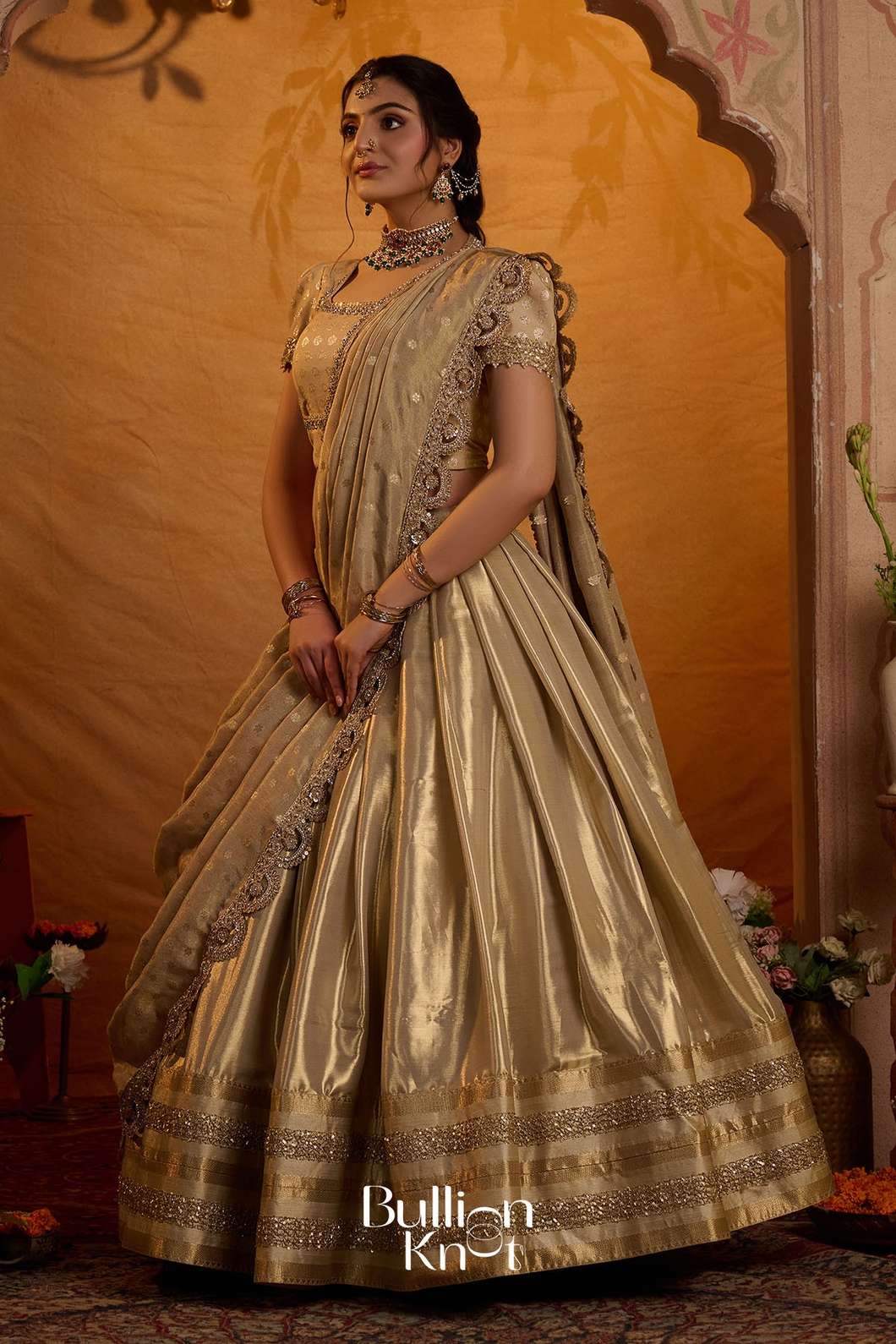
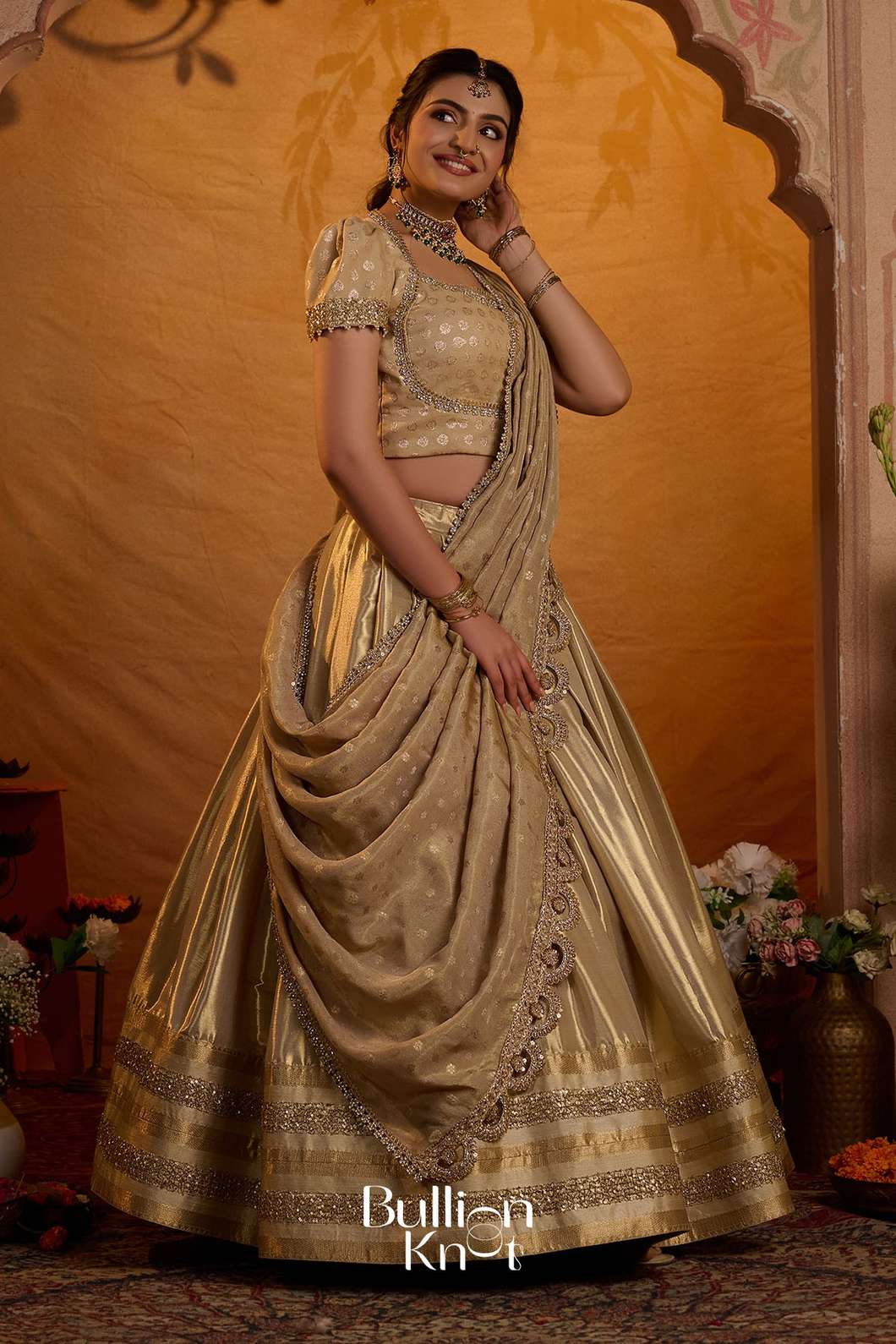
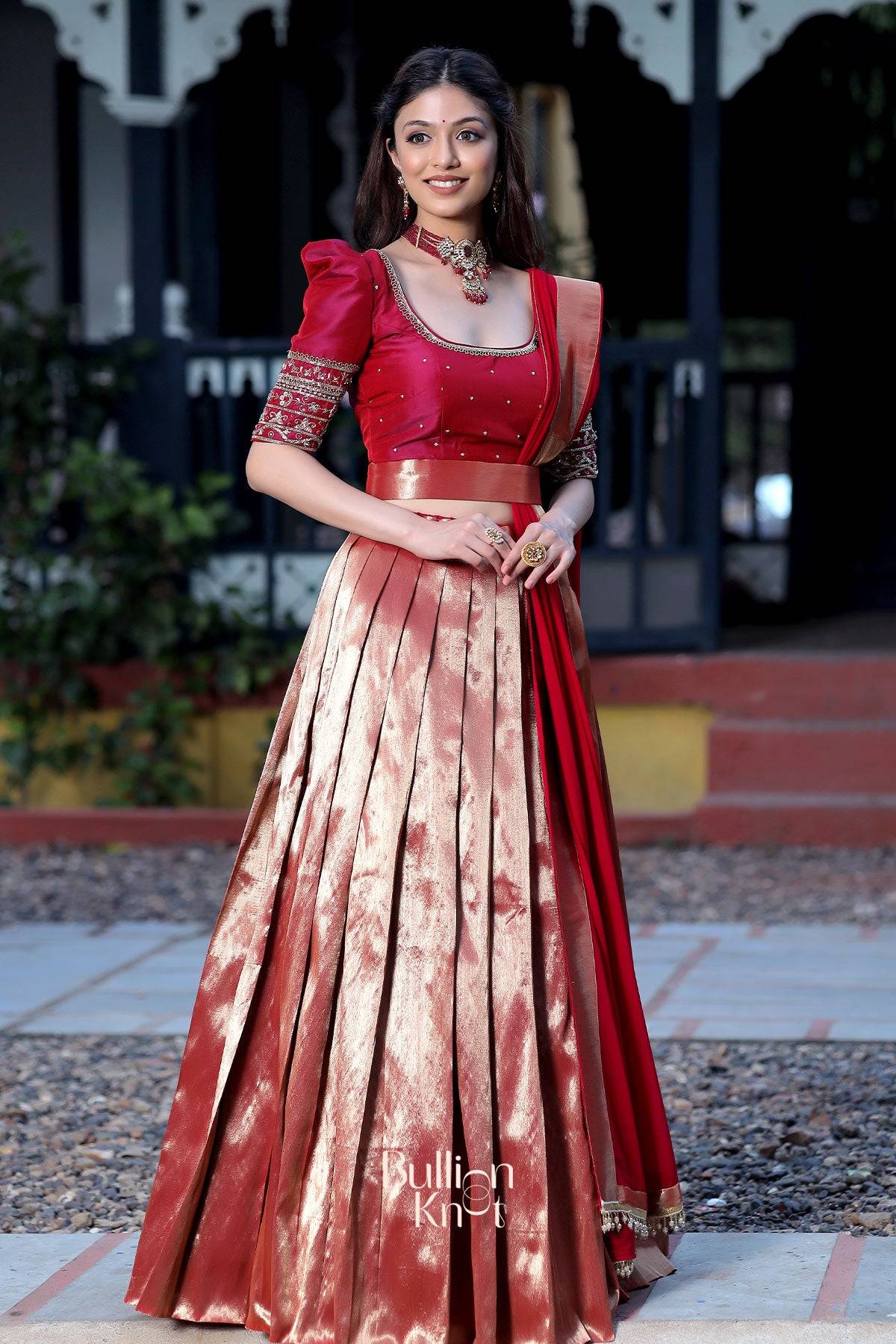
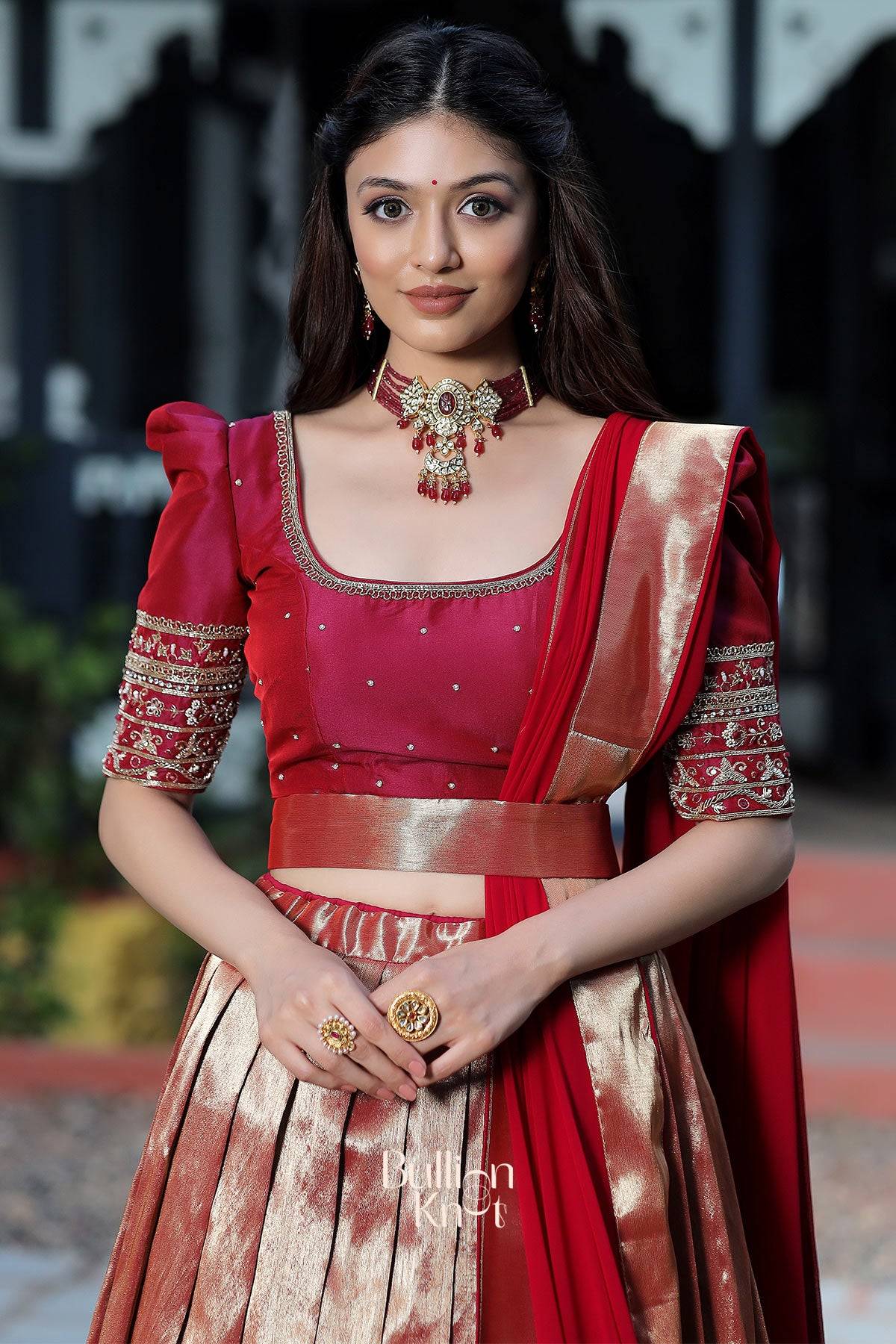
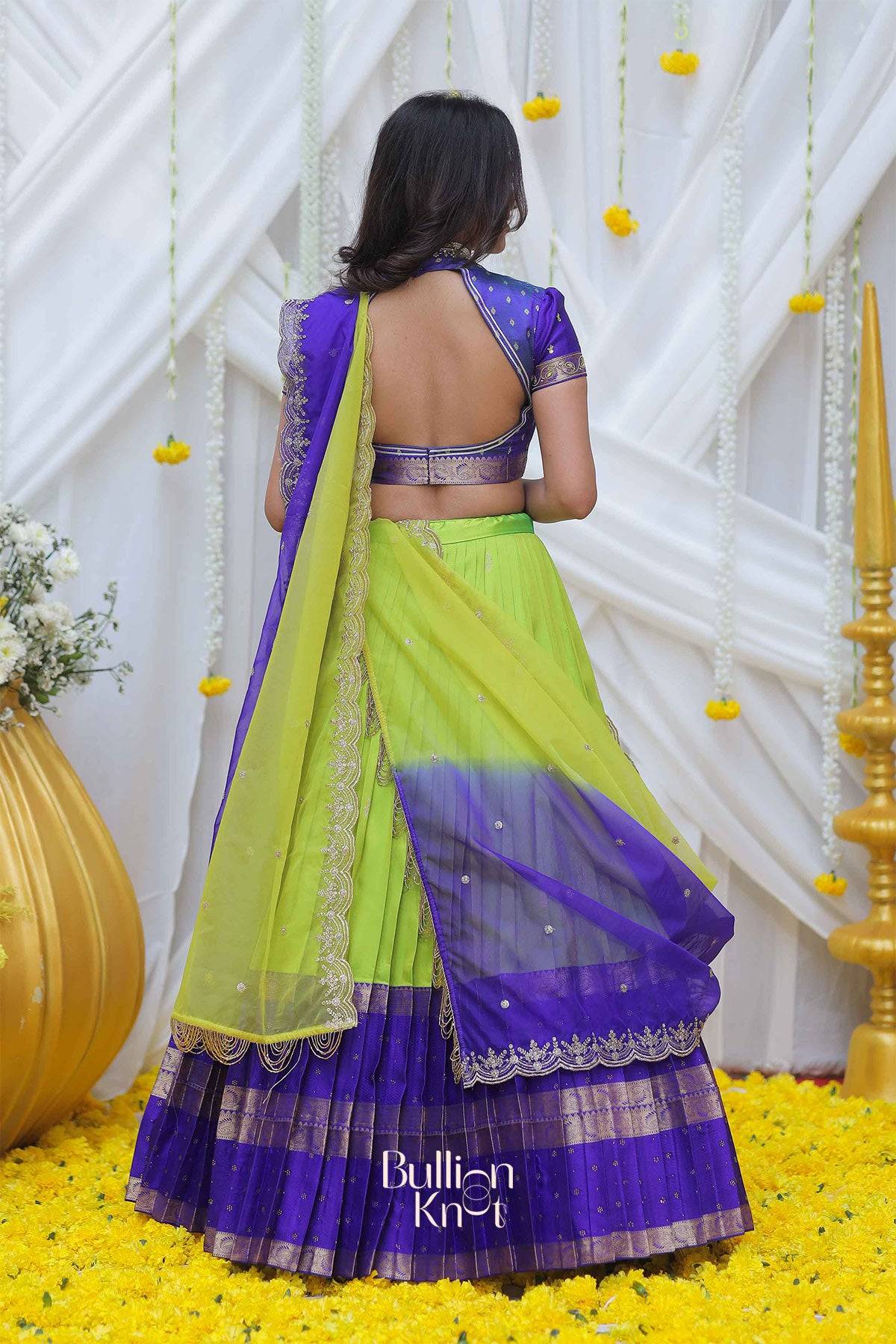
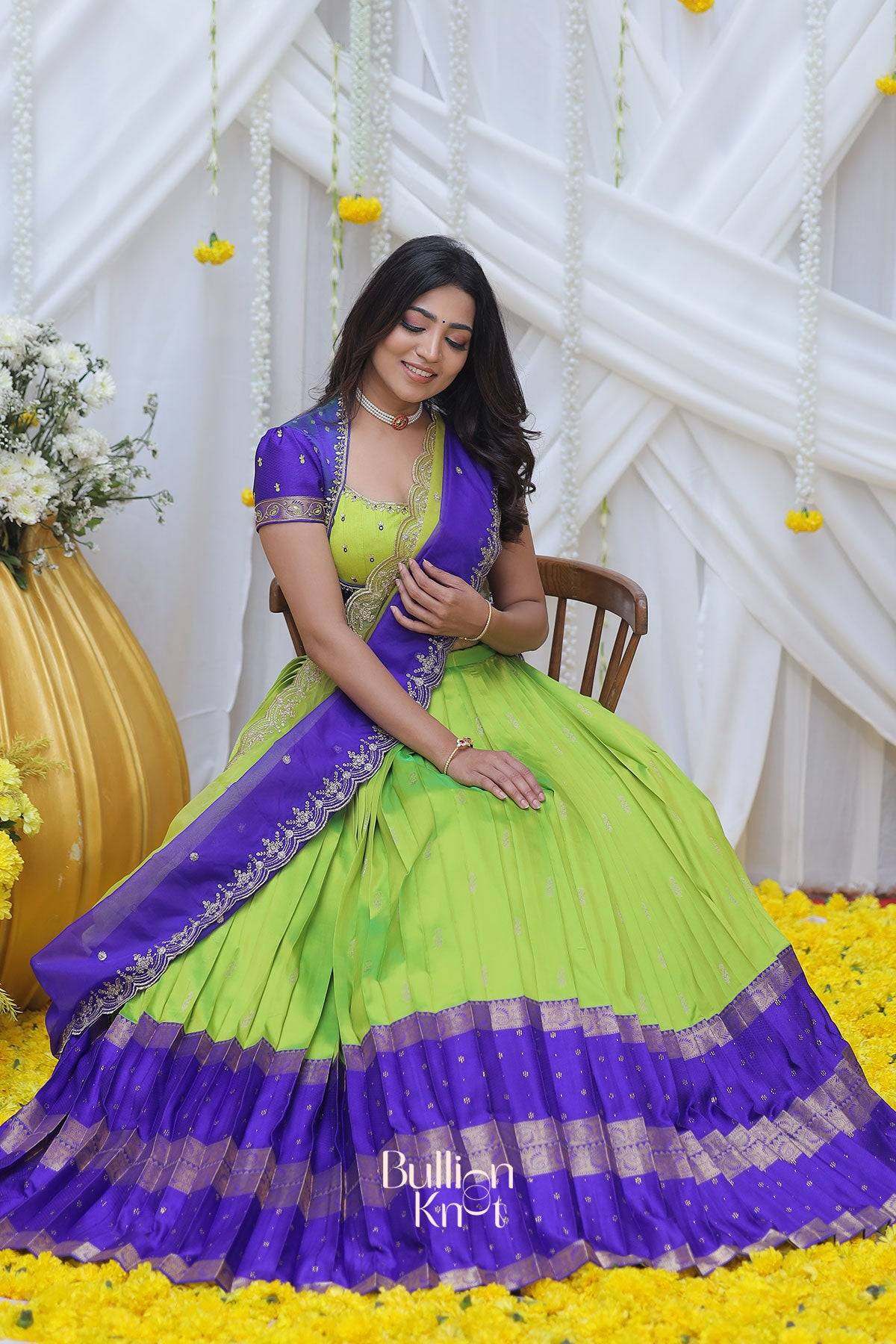
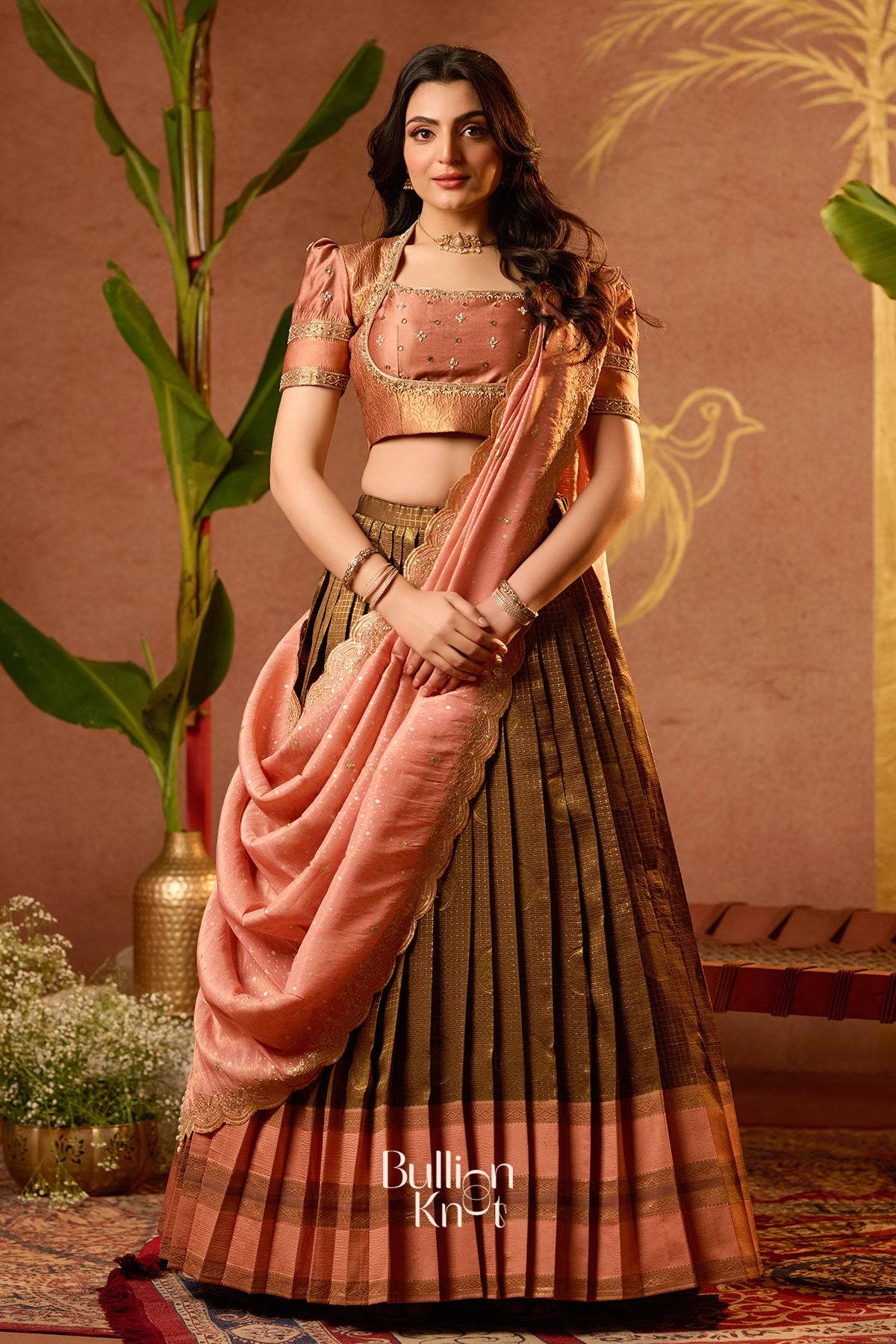
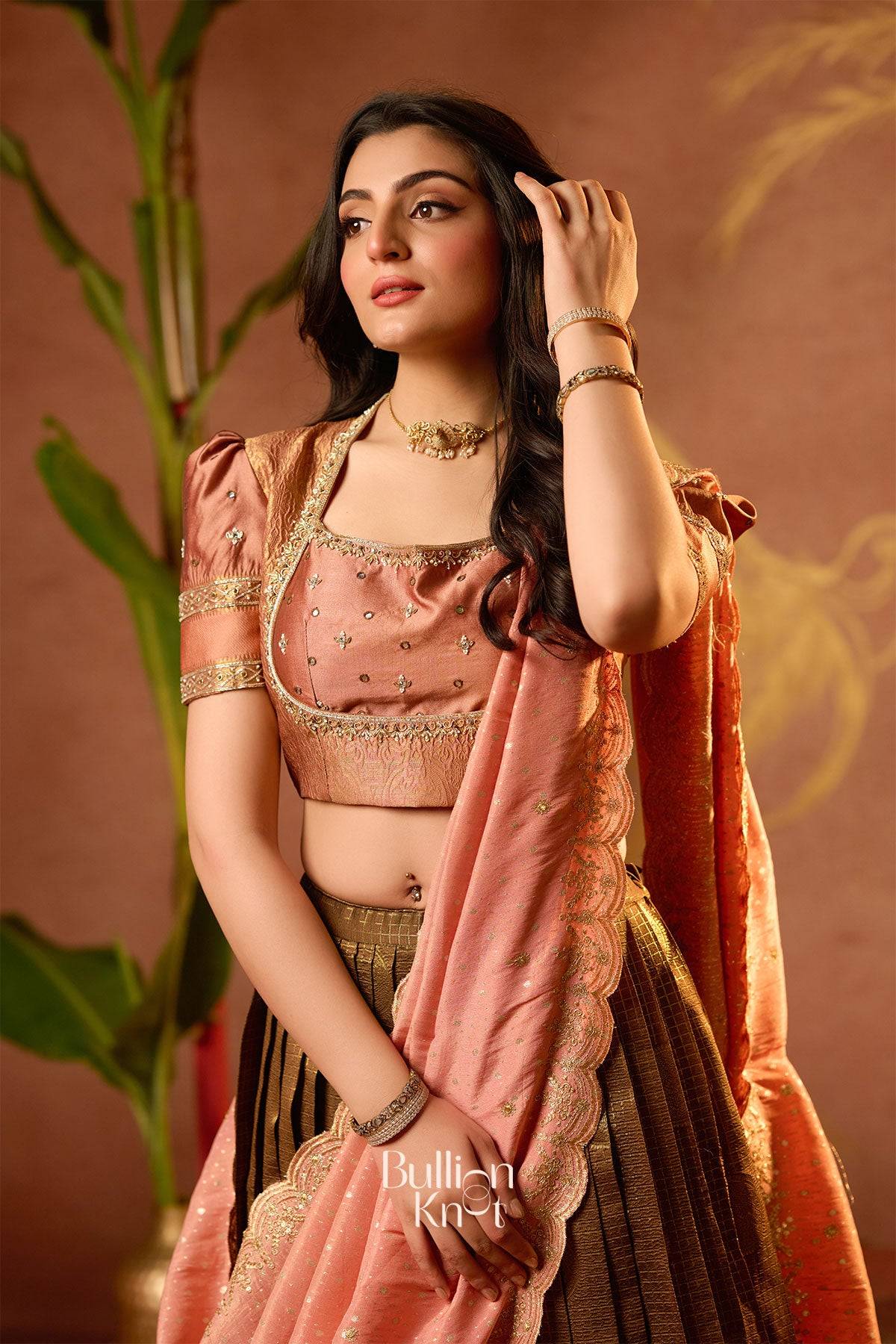

Pick Your Colour




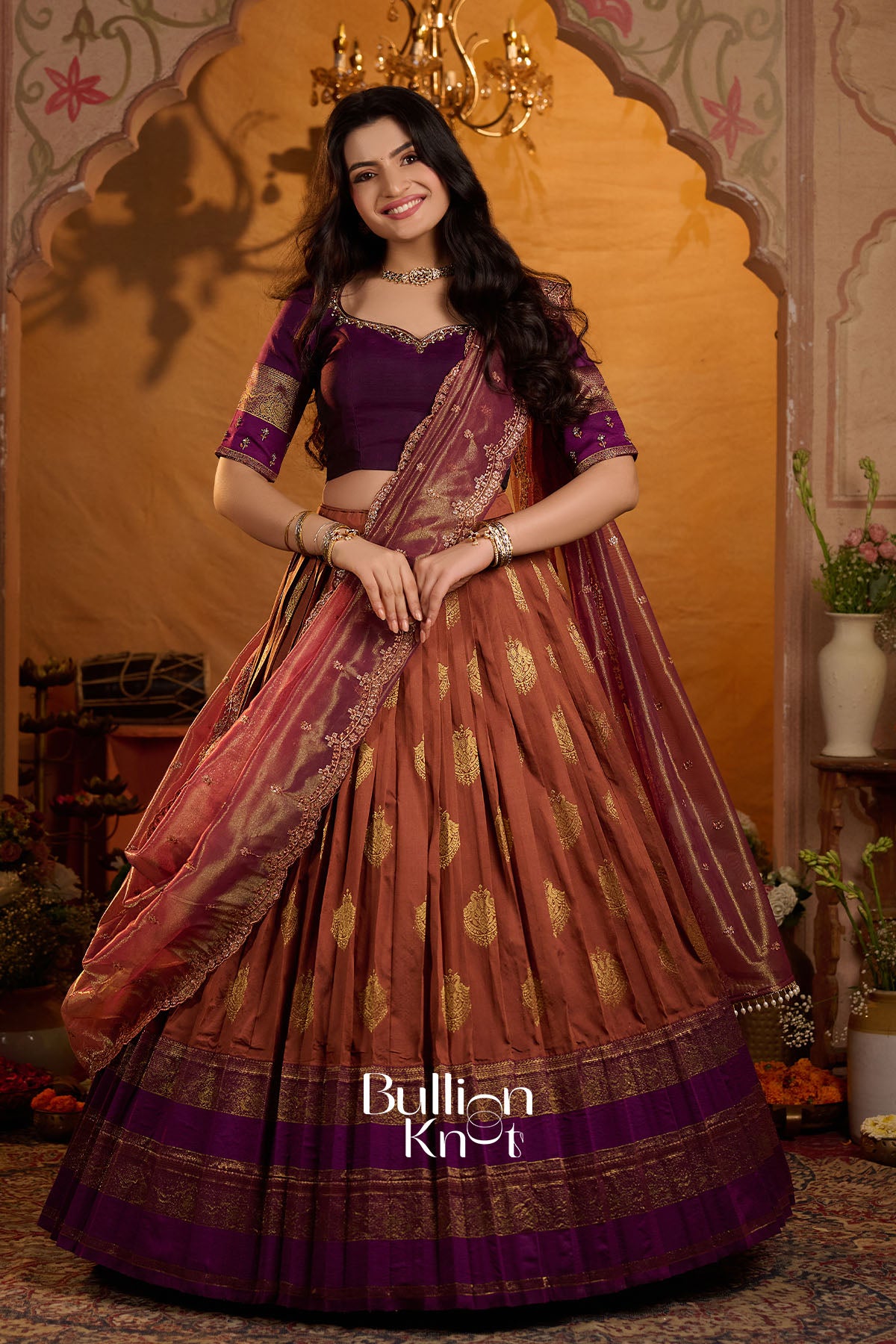
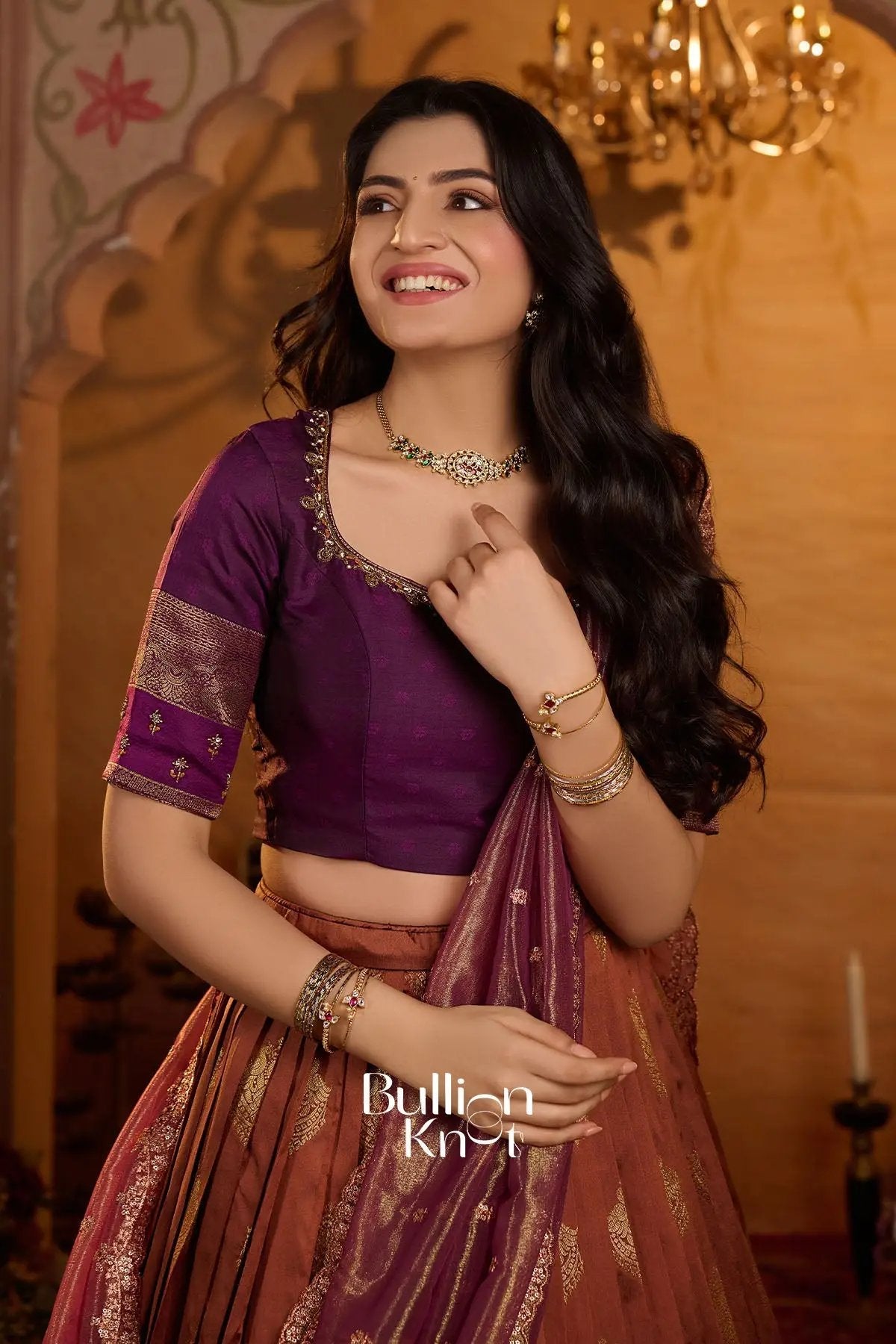
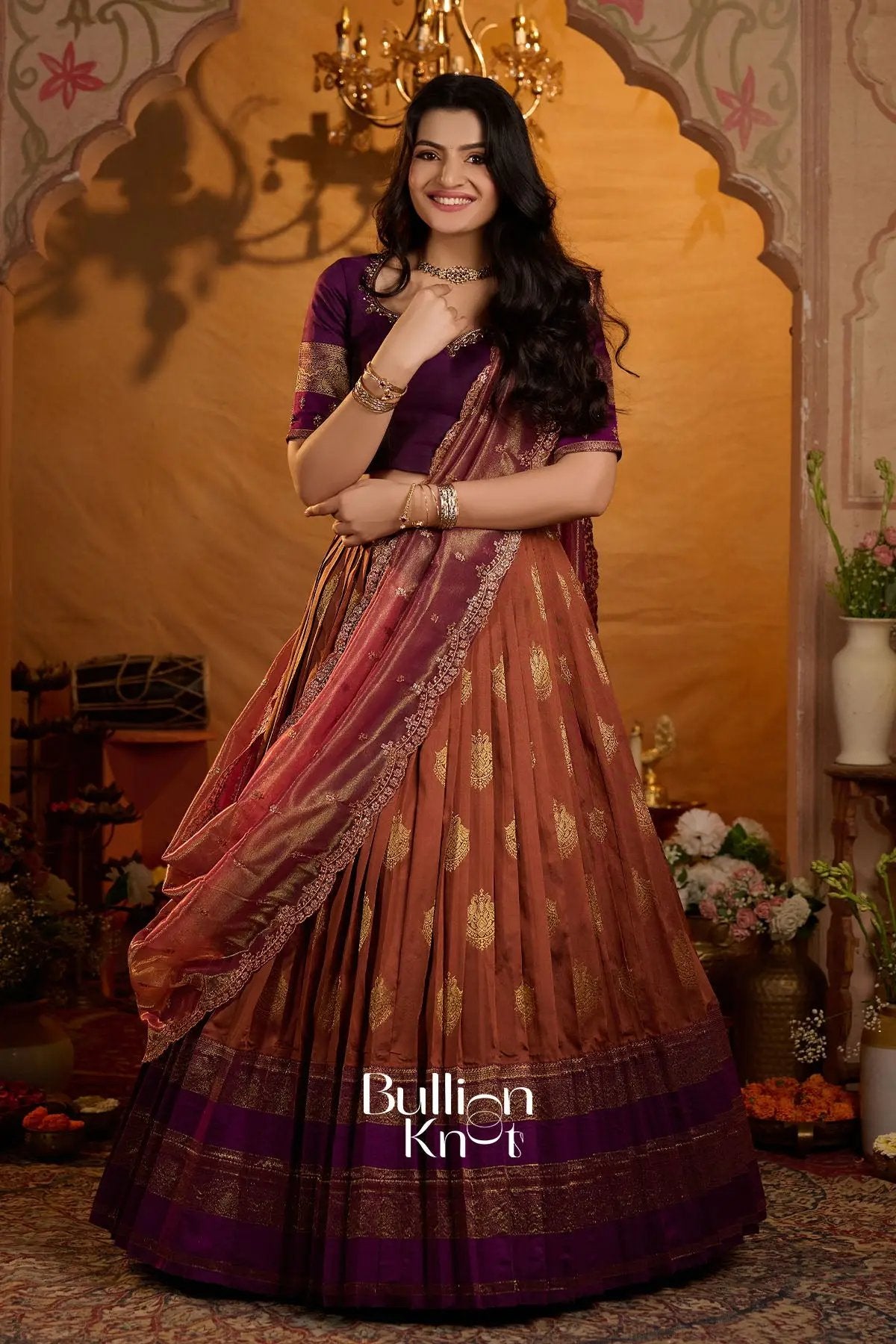
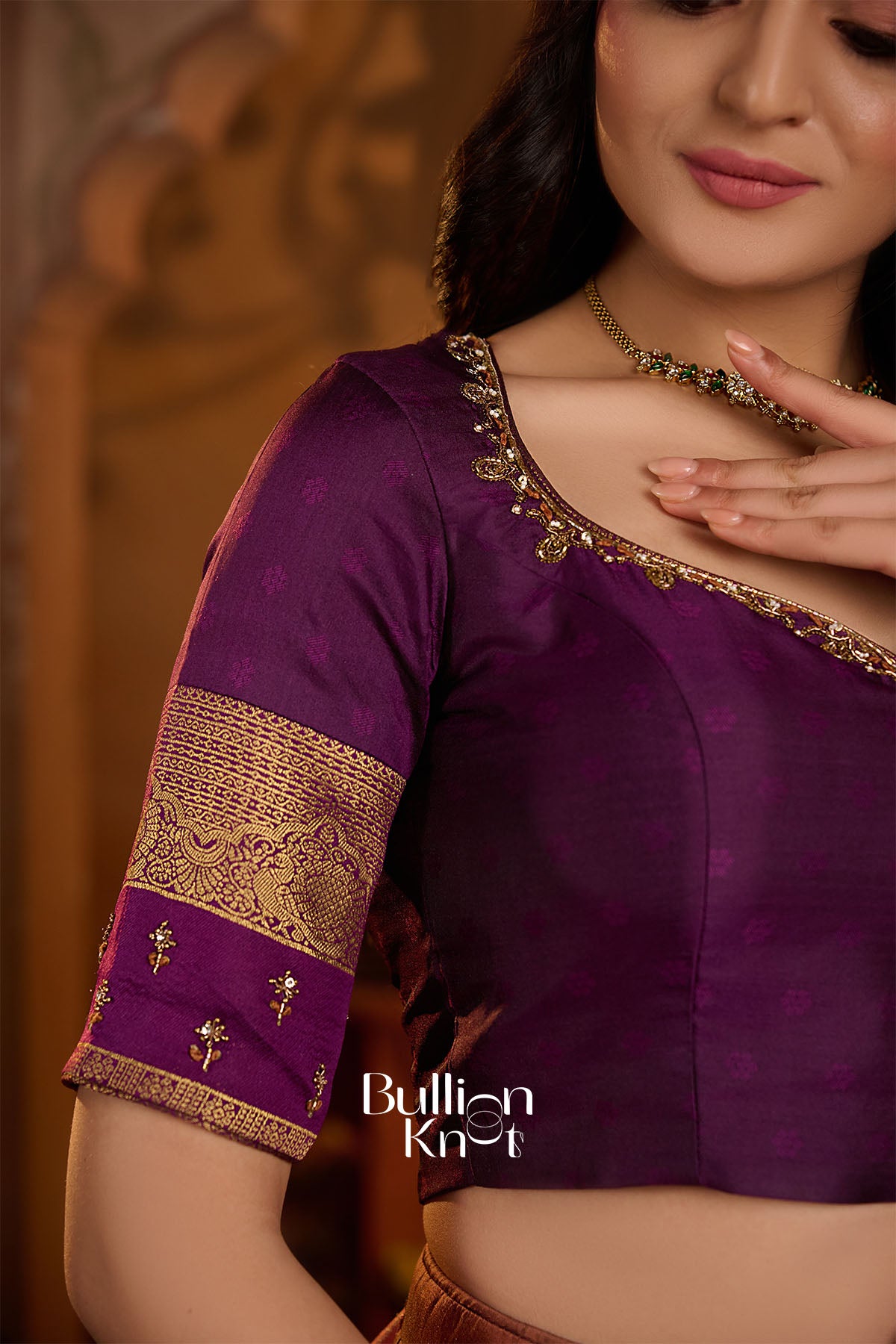
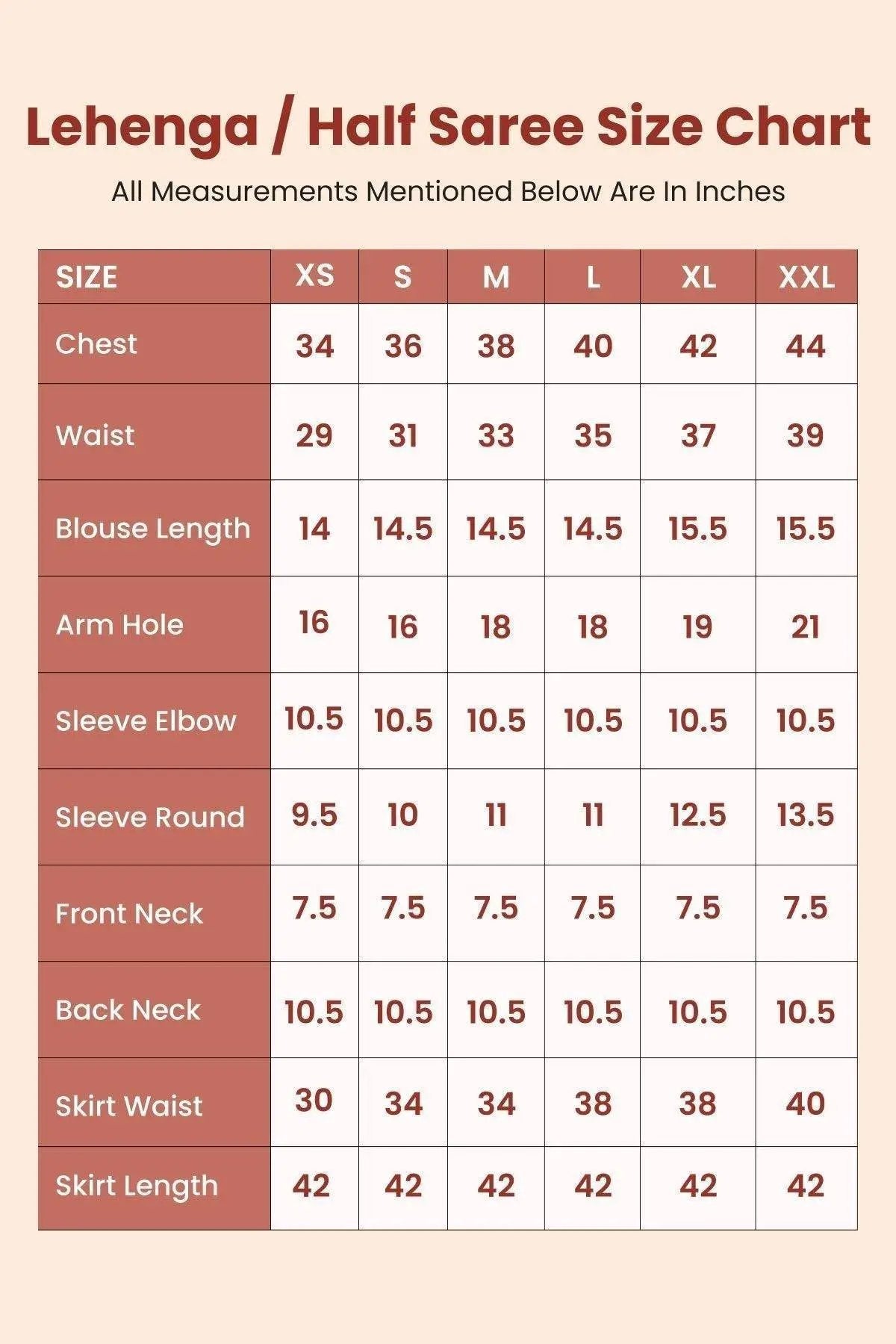
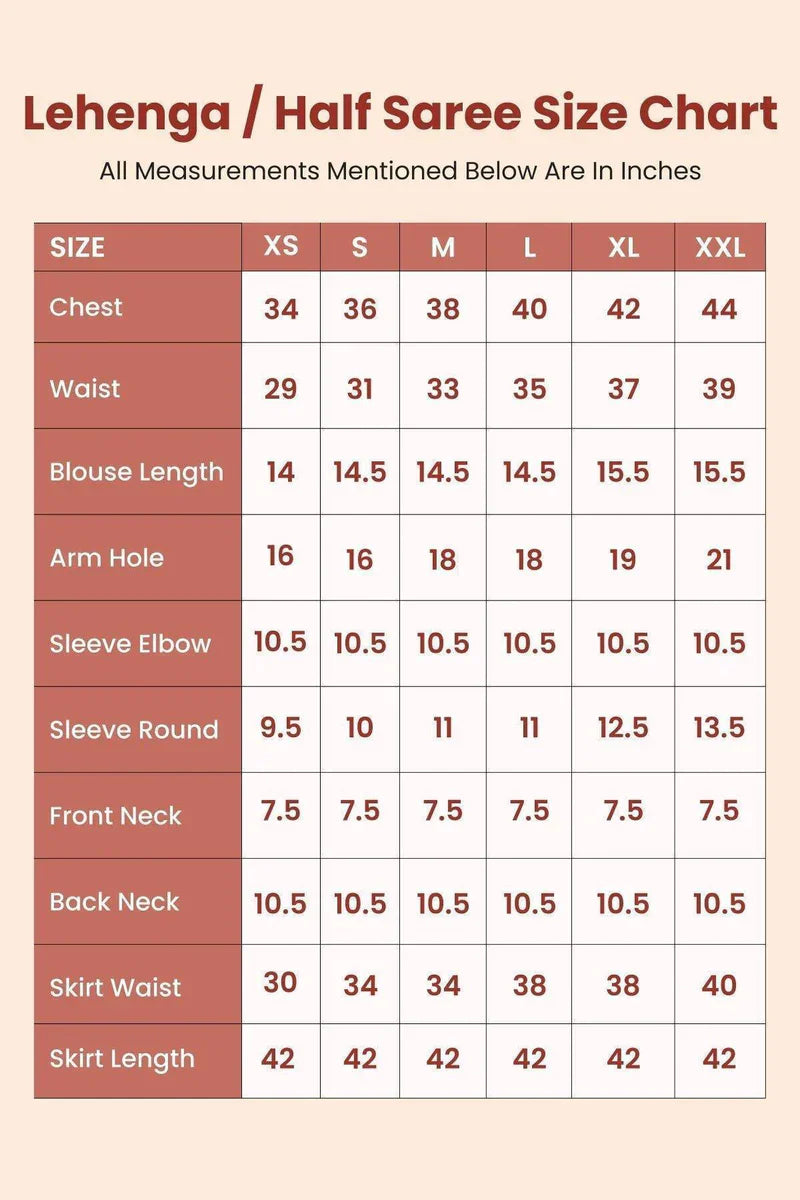
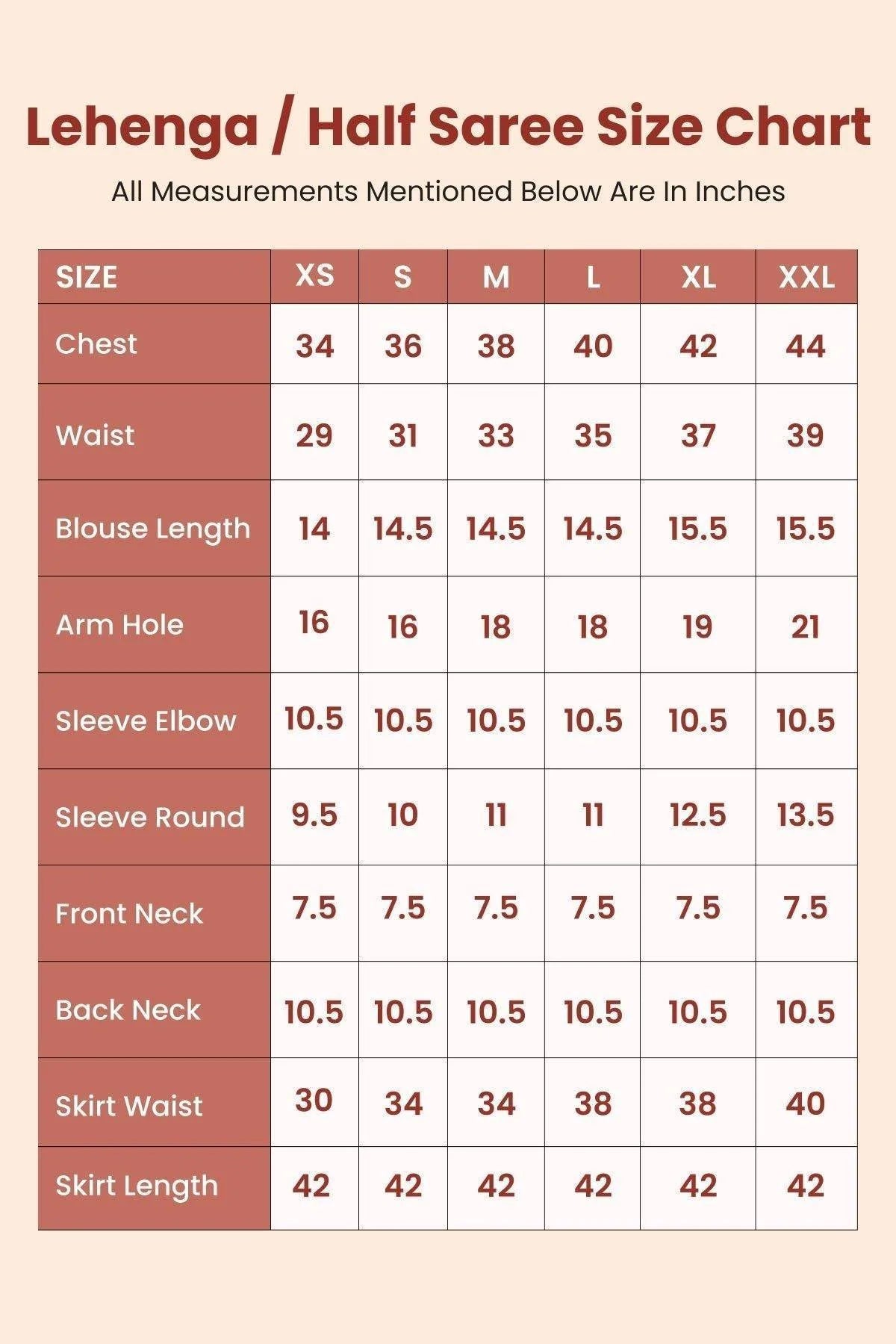
What's Your Size?
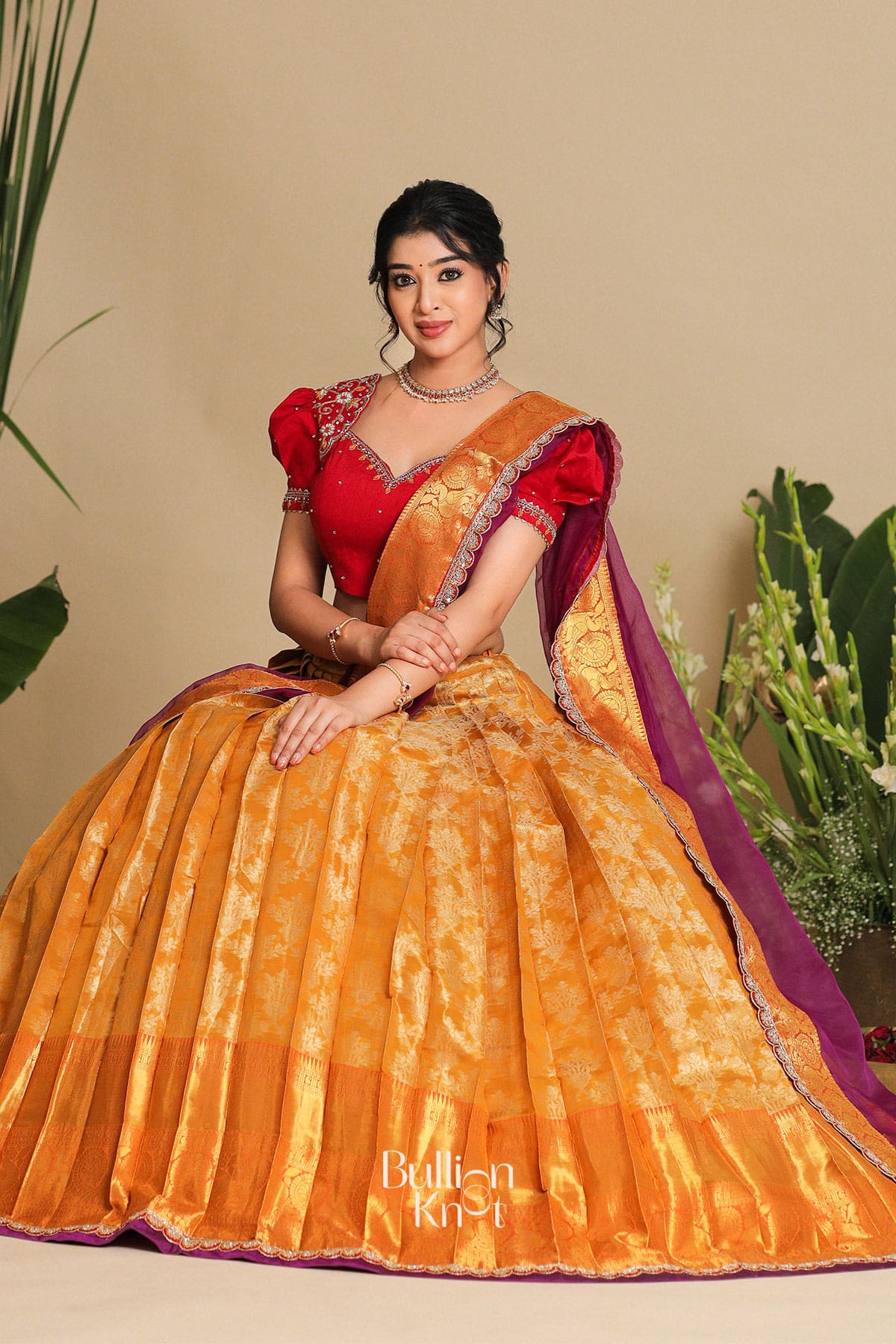
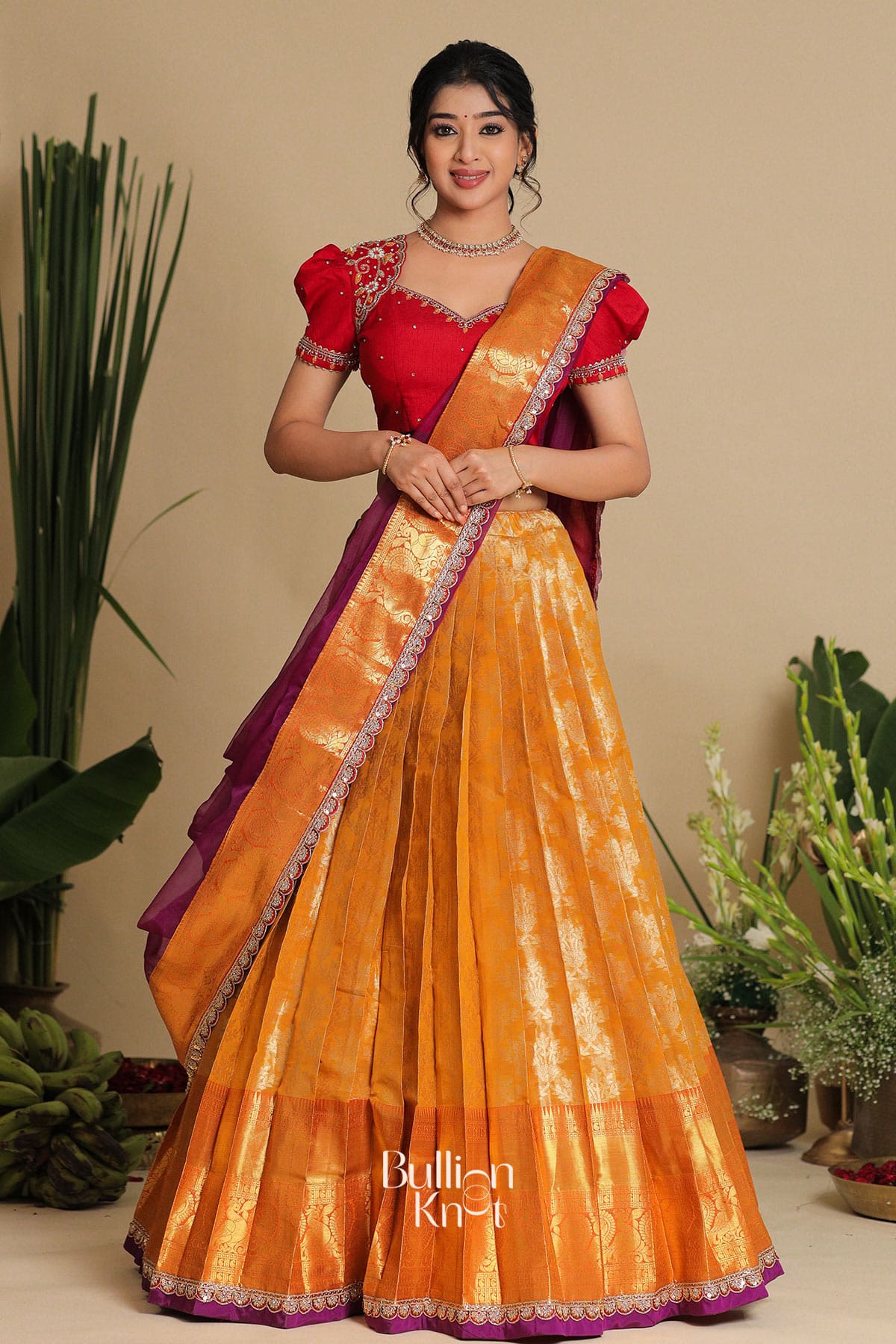
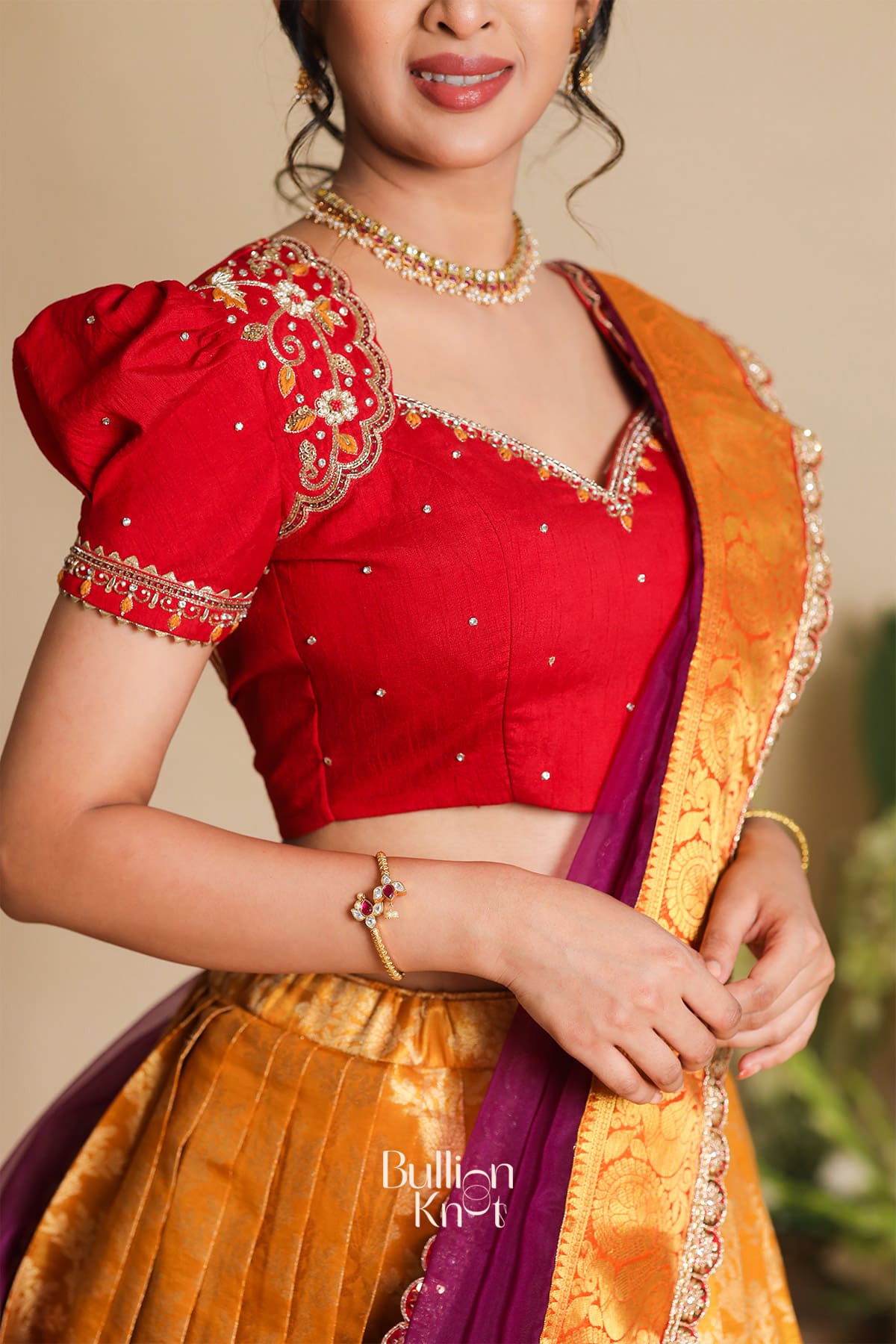
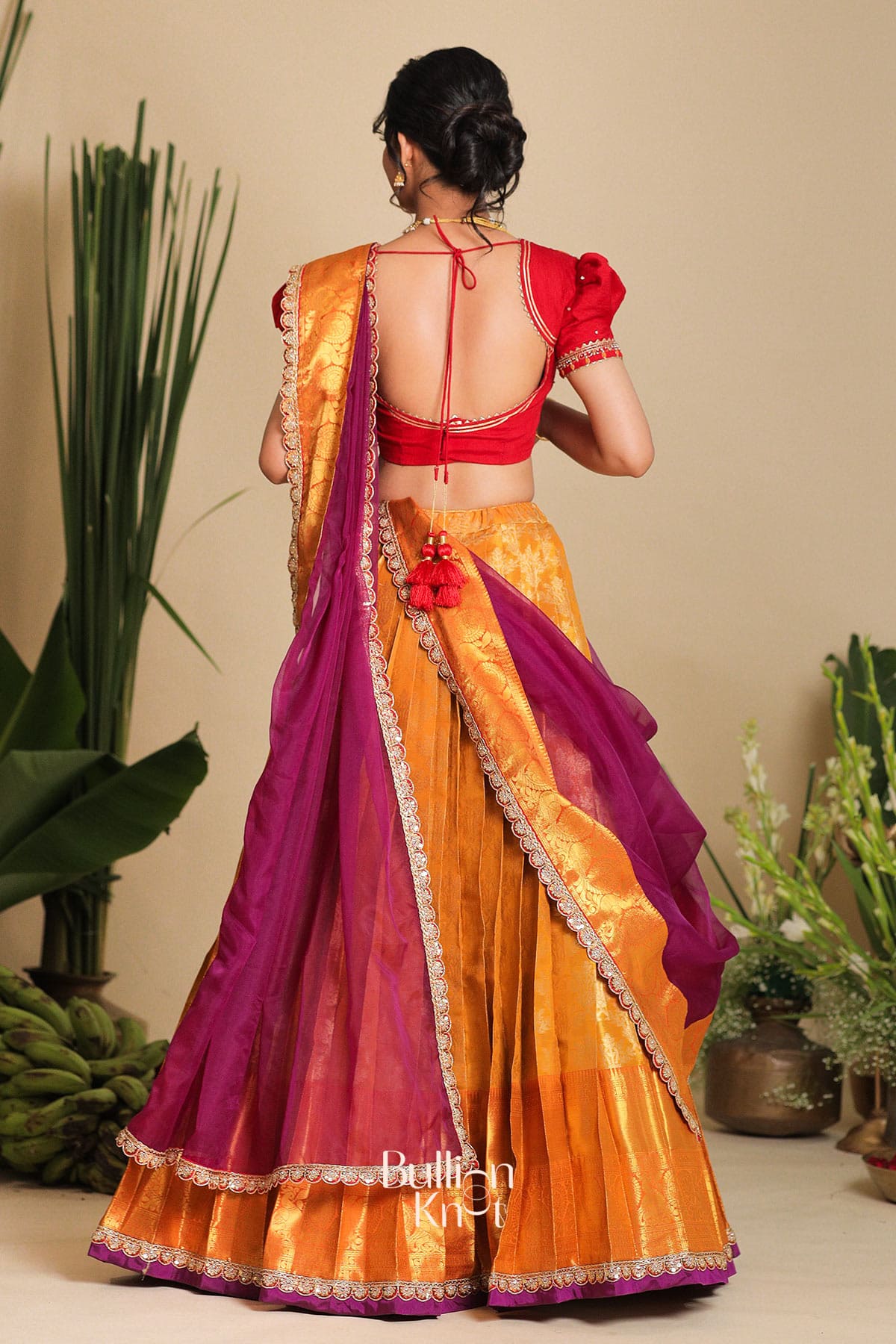
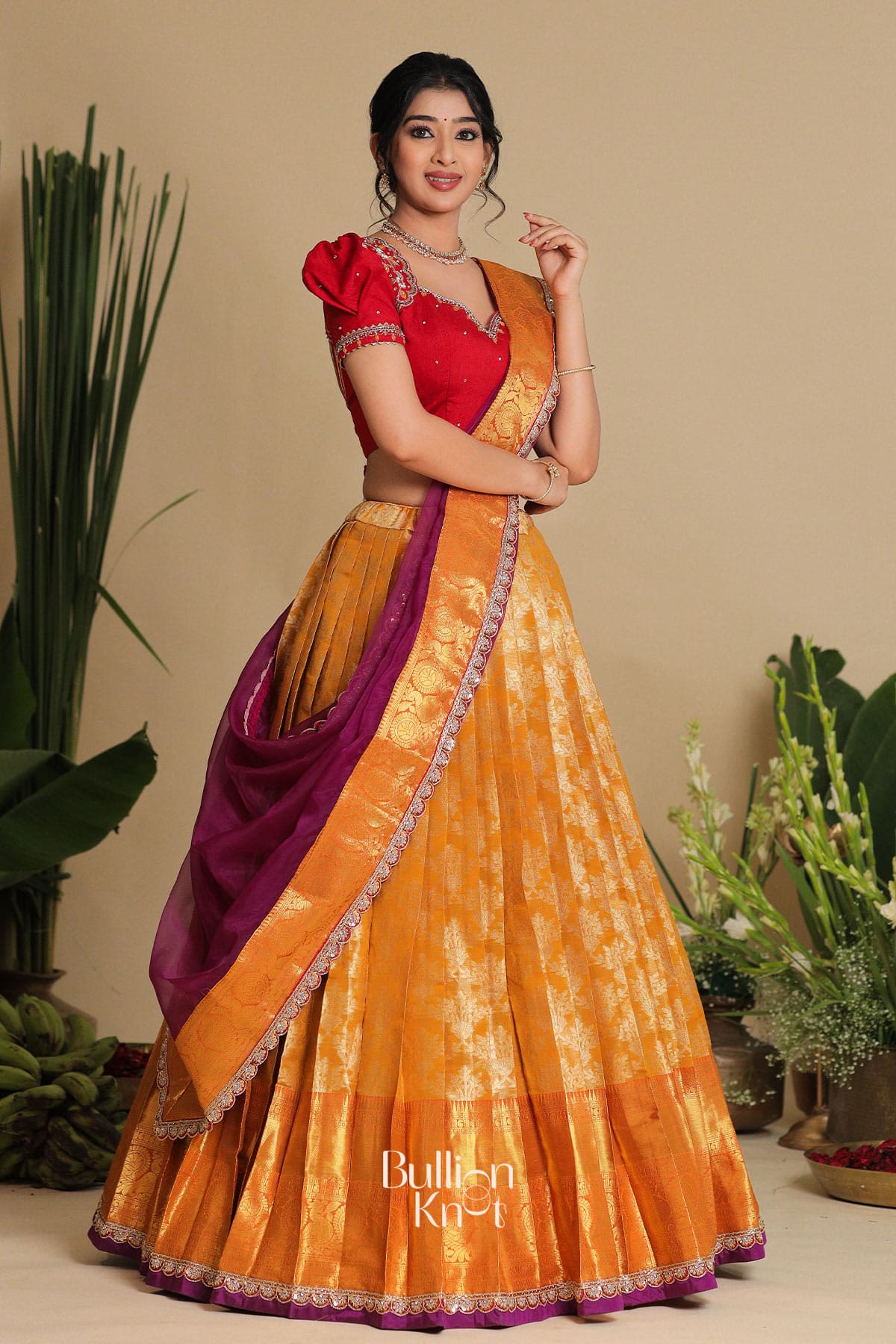
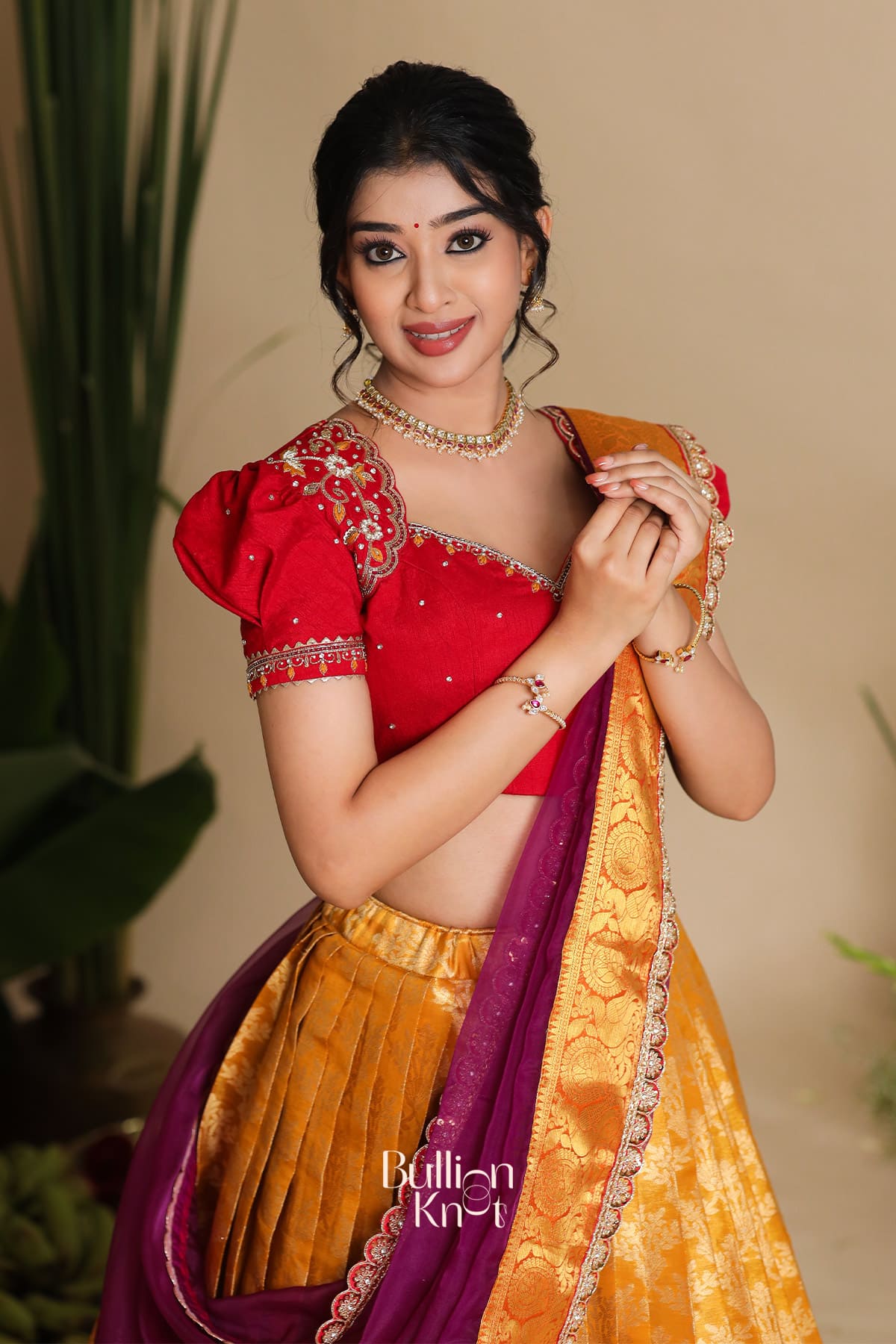
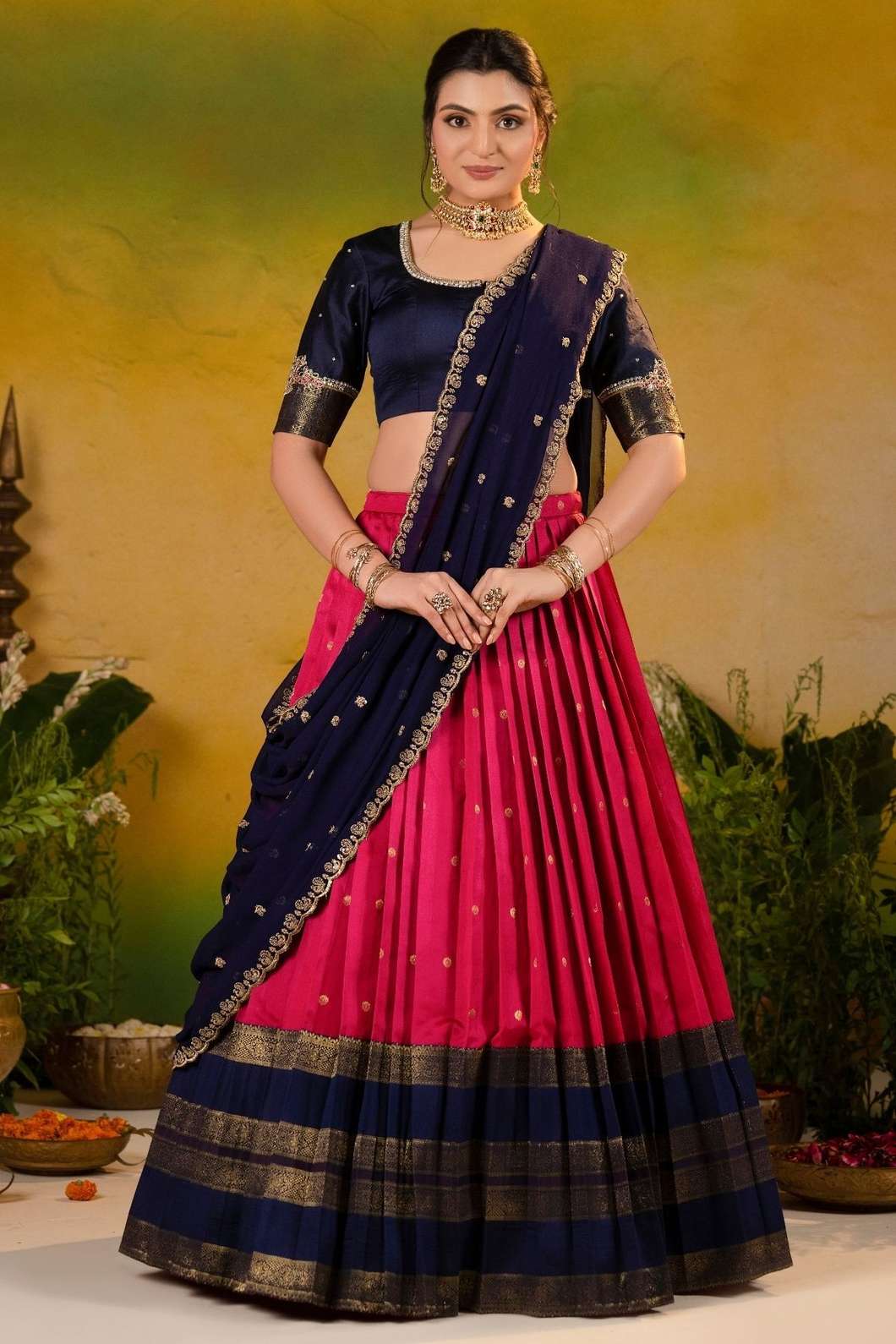
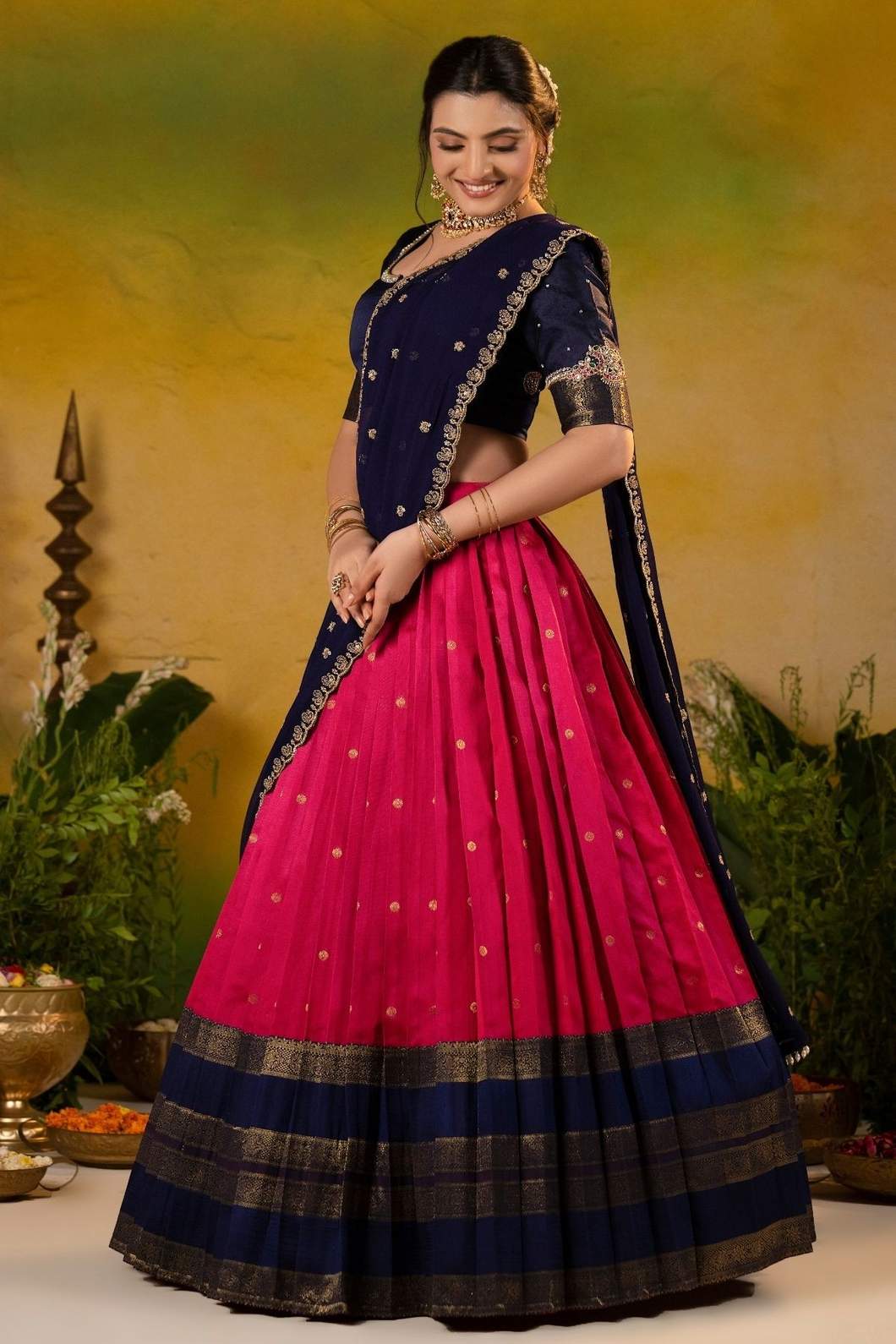
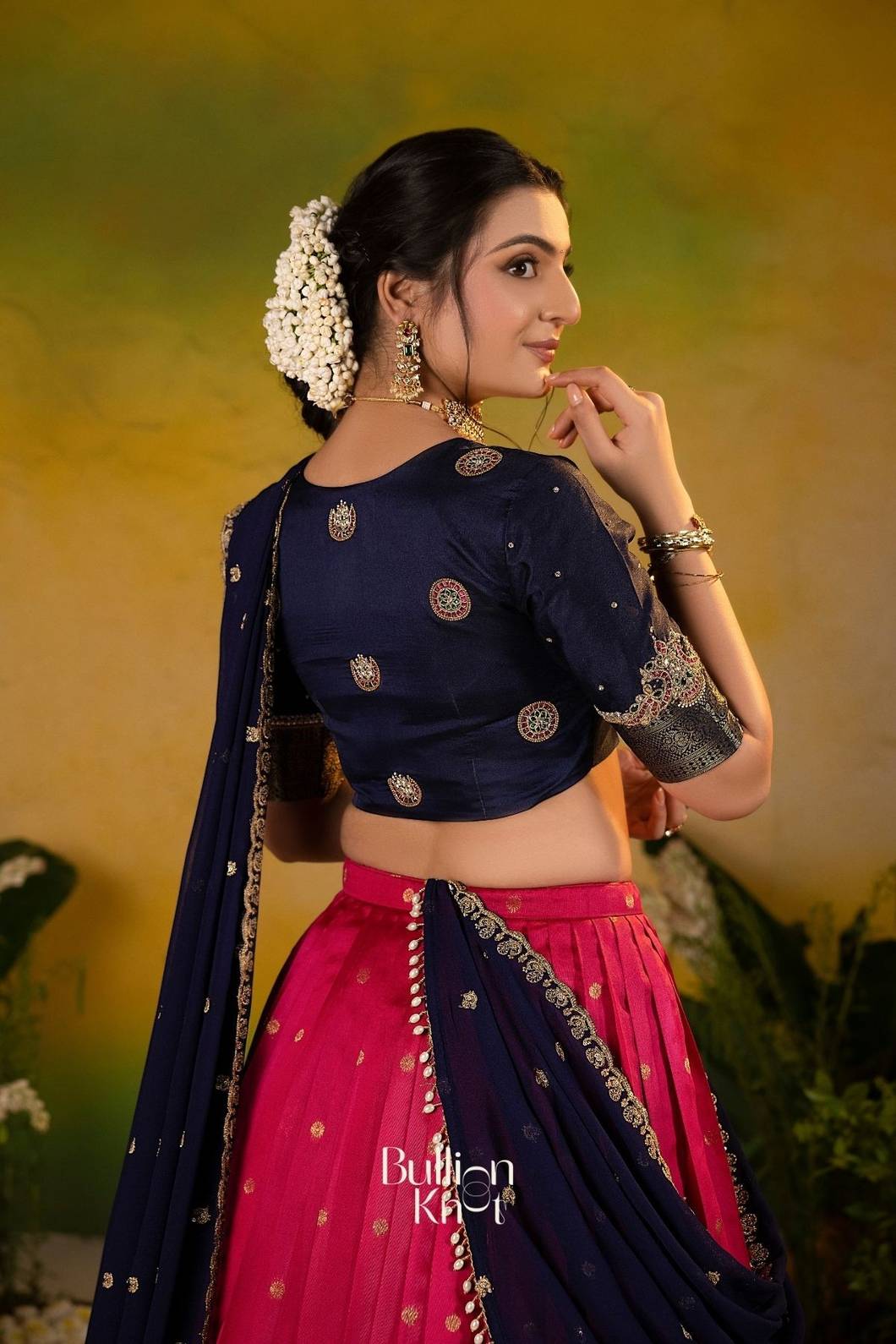
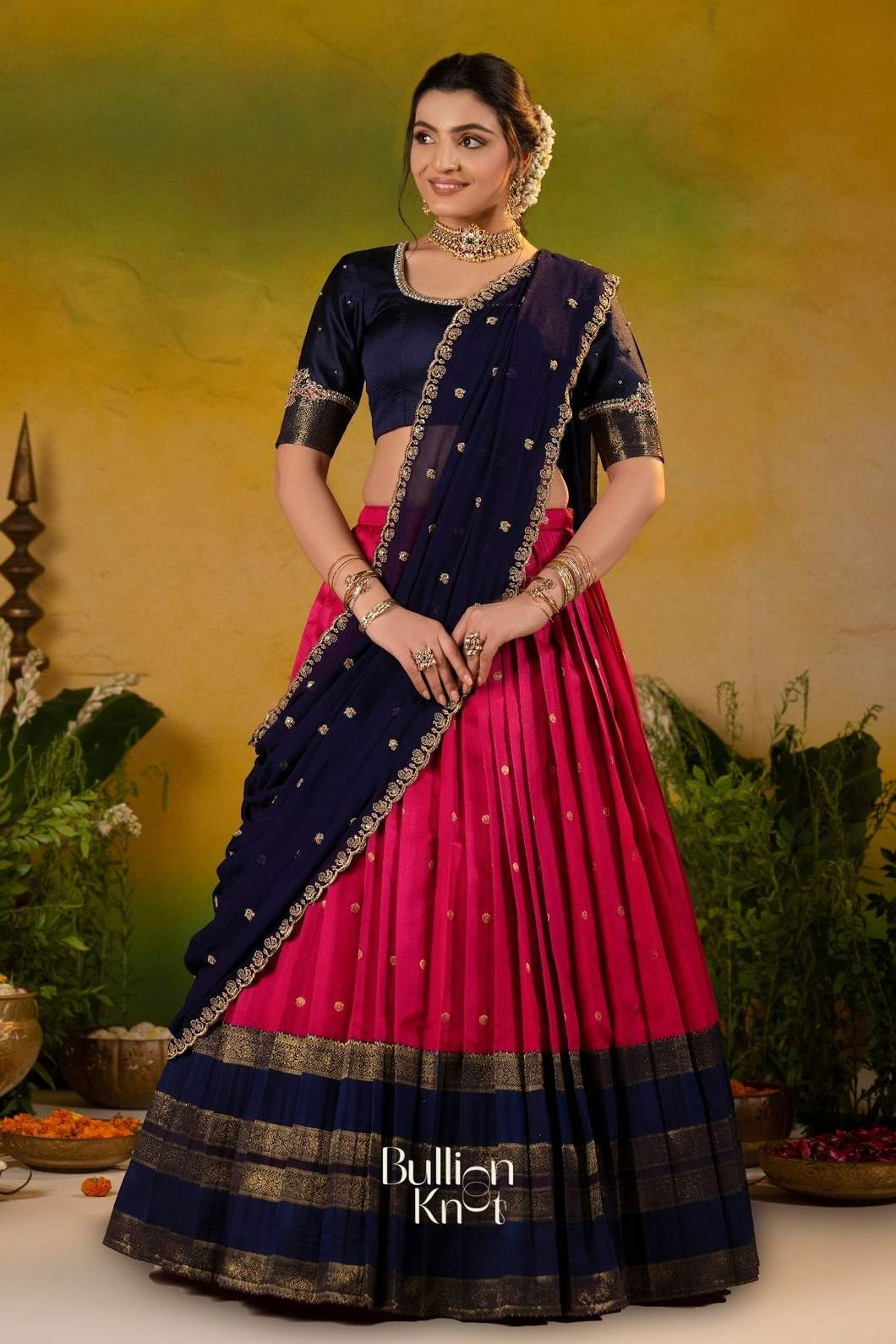
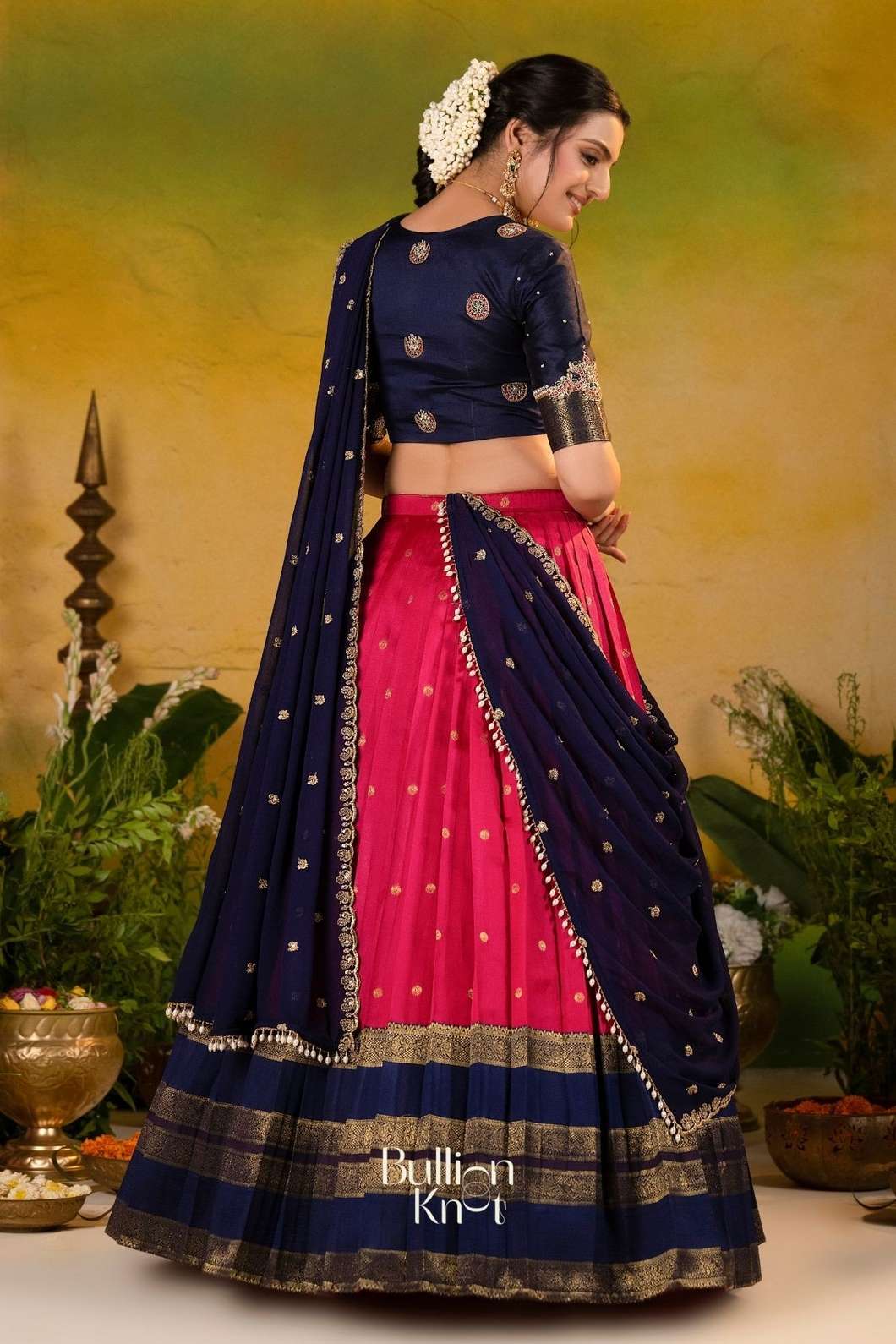
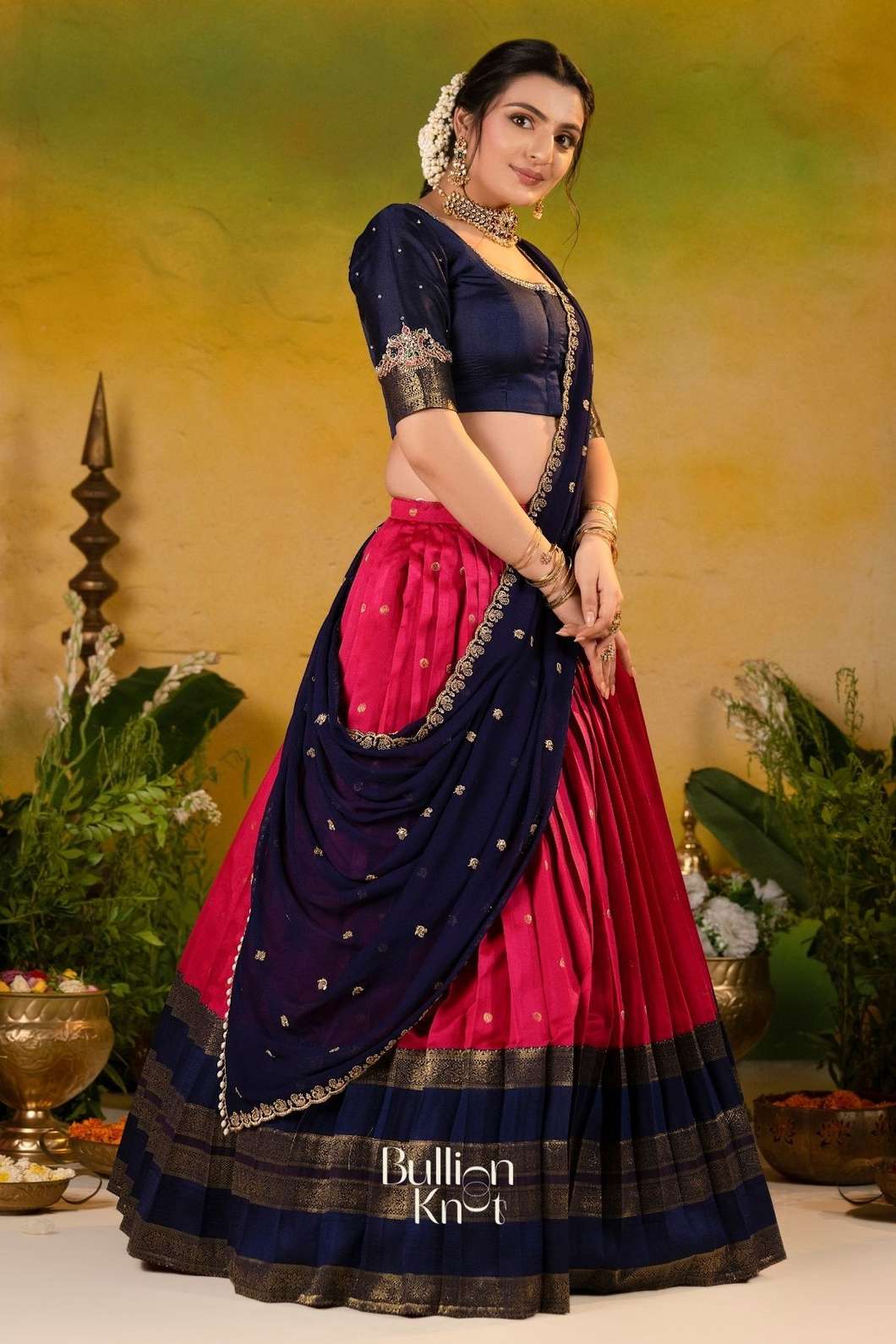


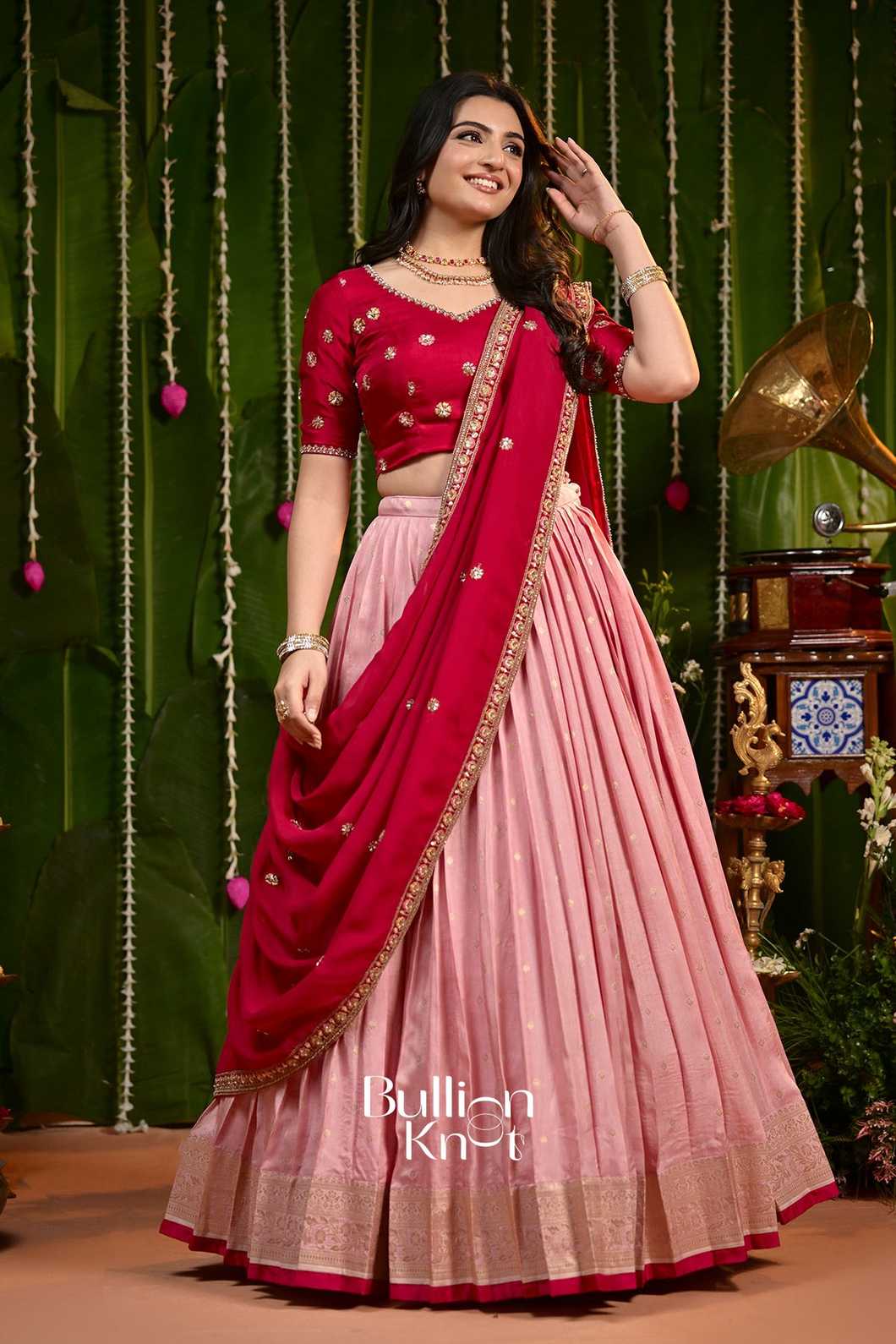
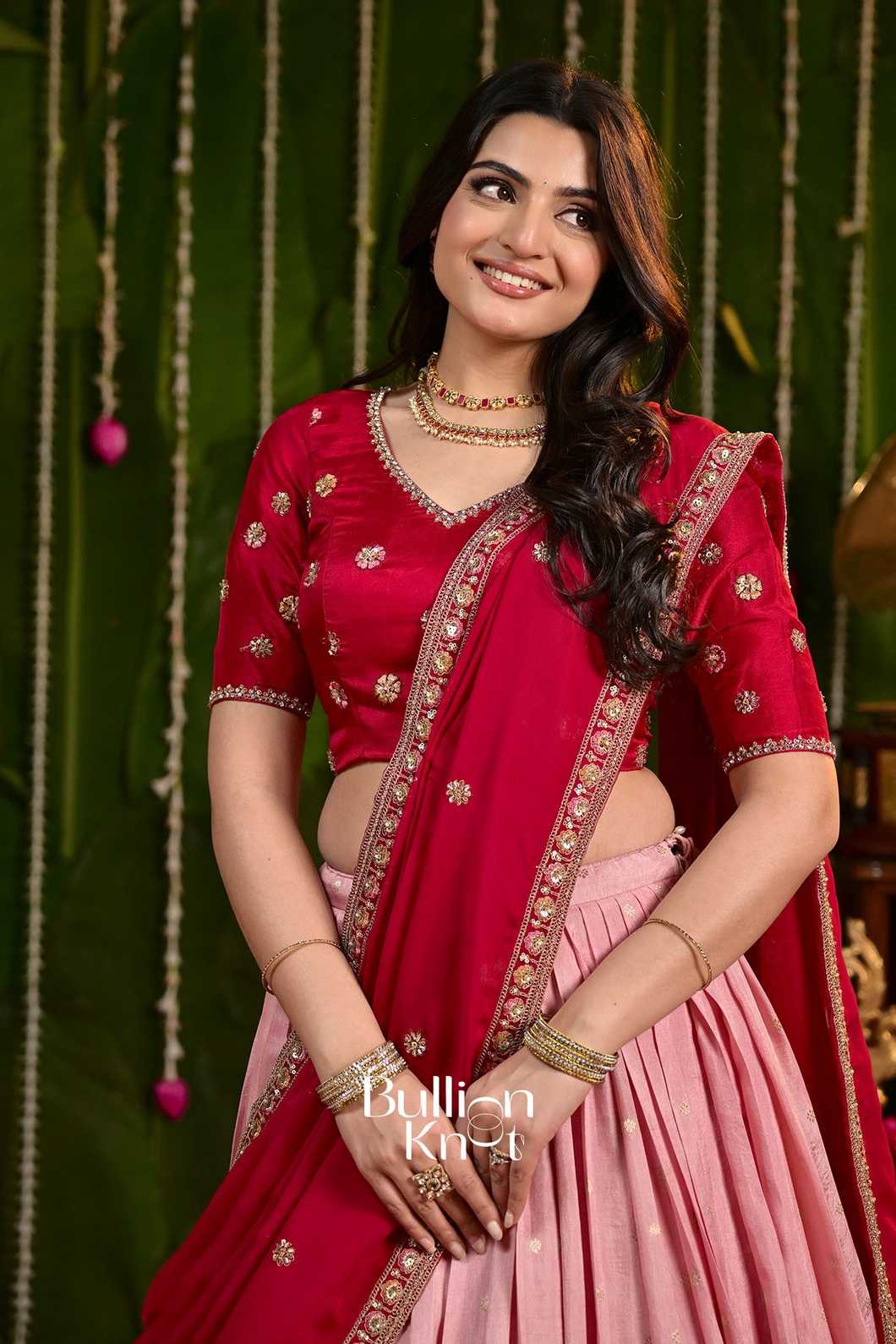
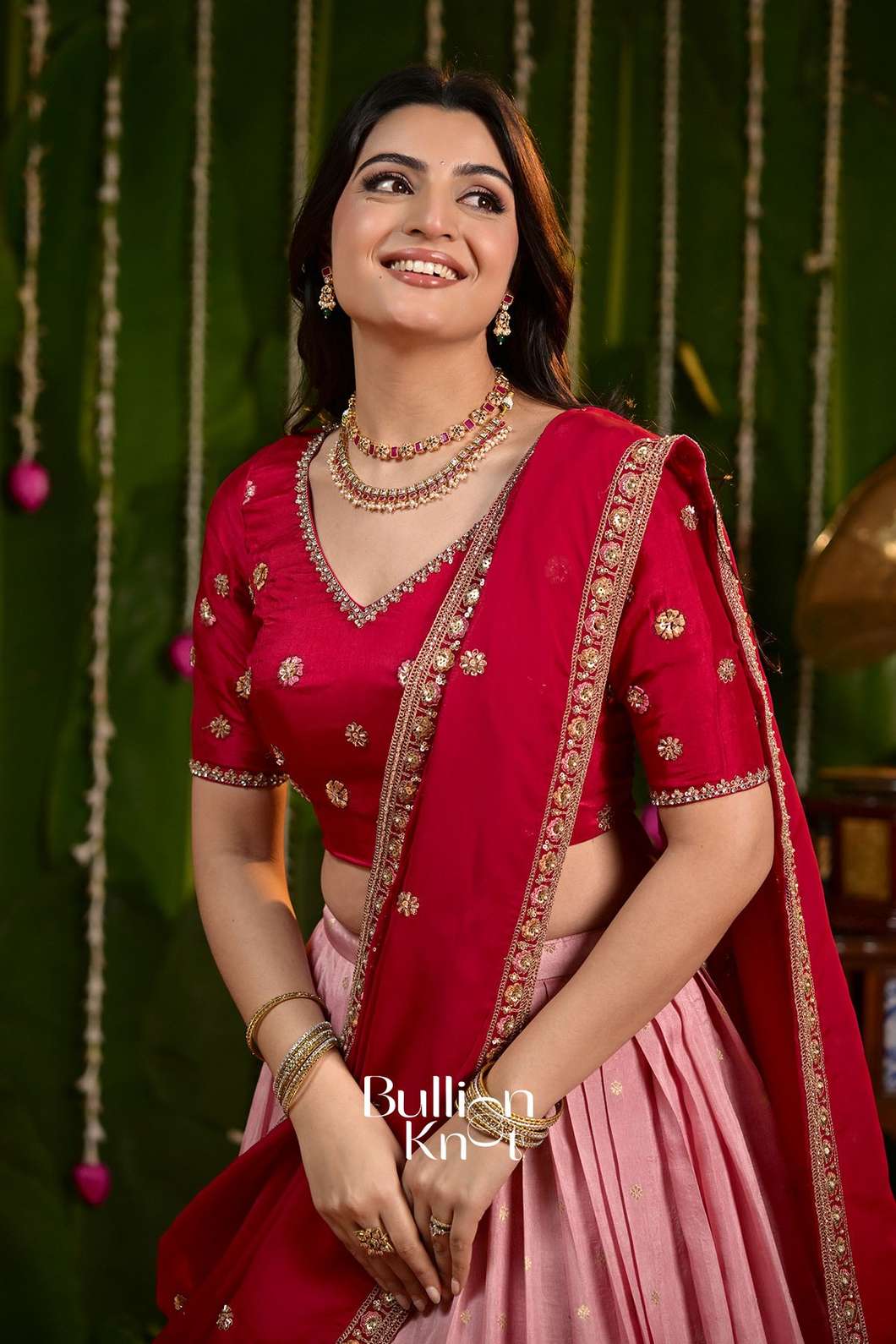
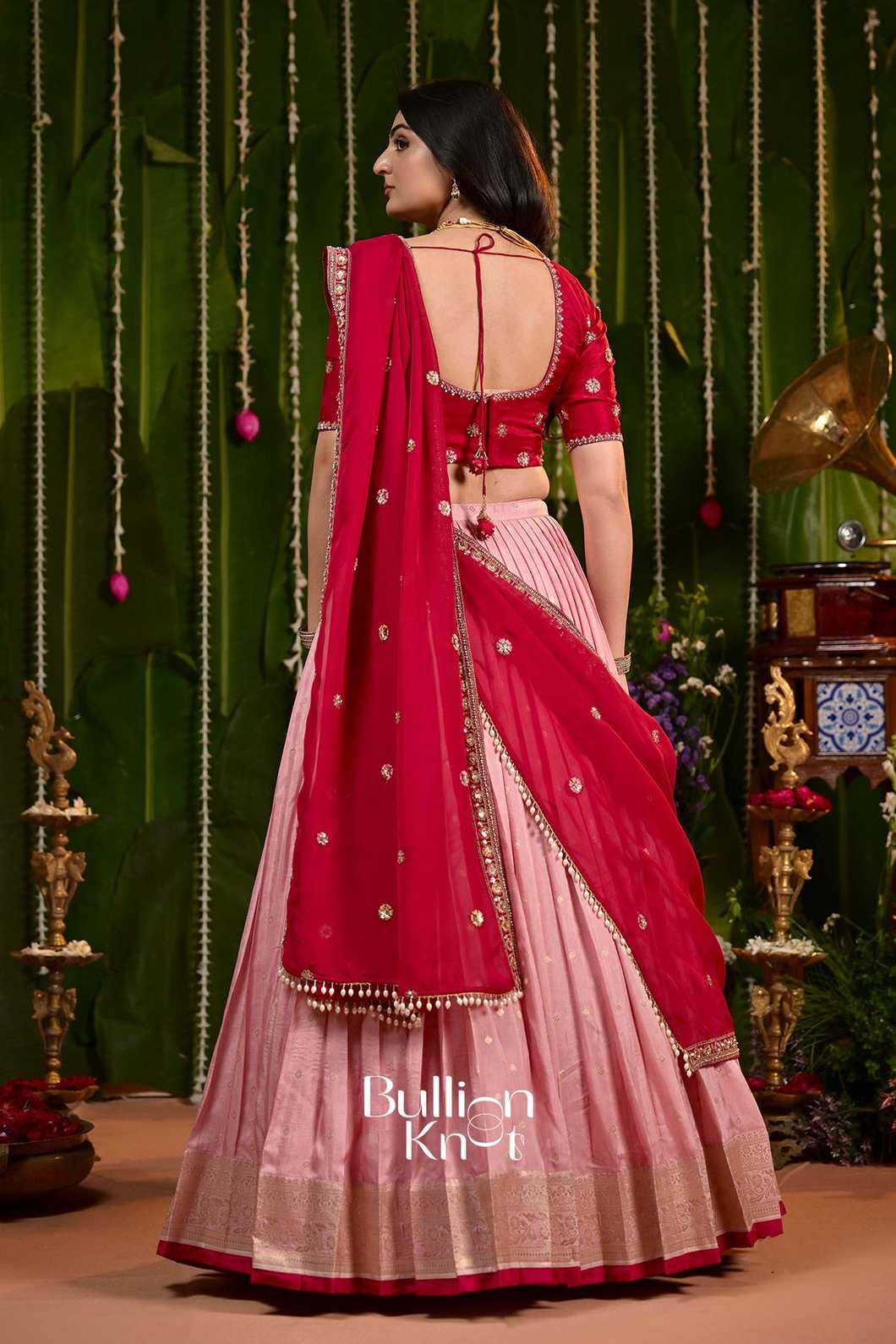
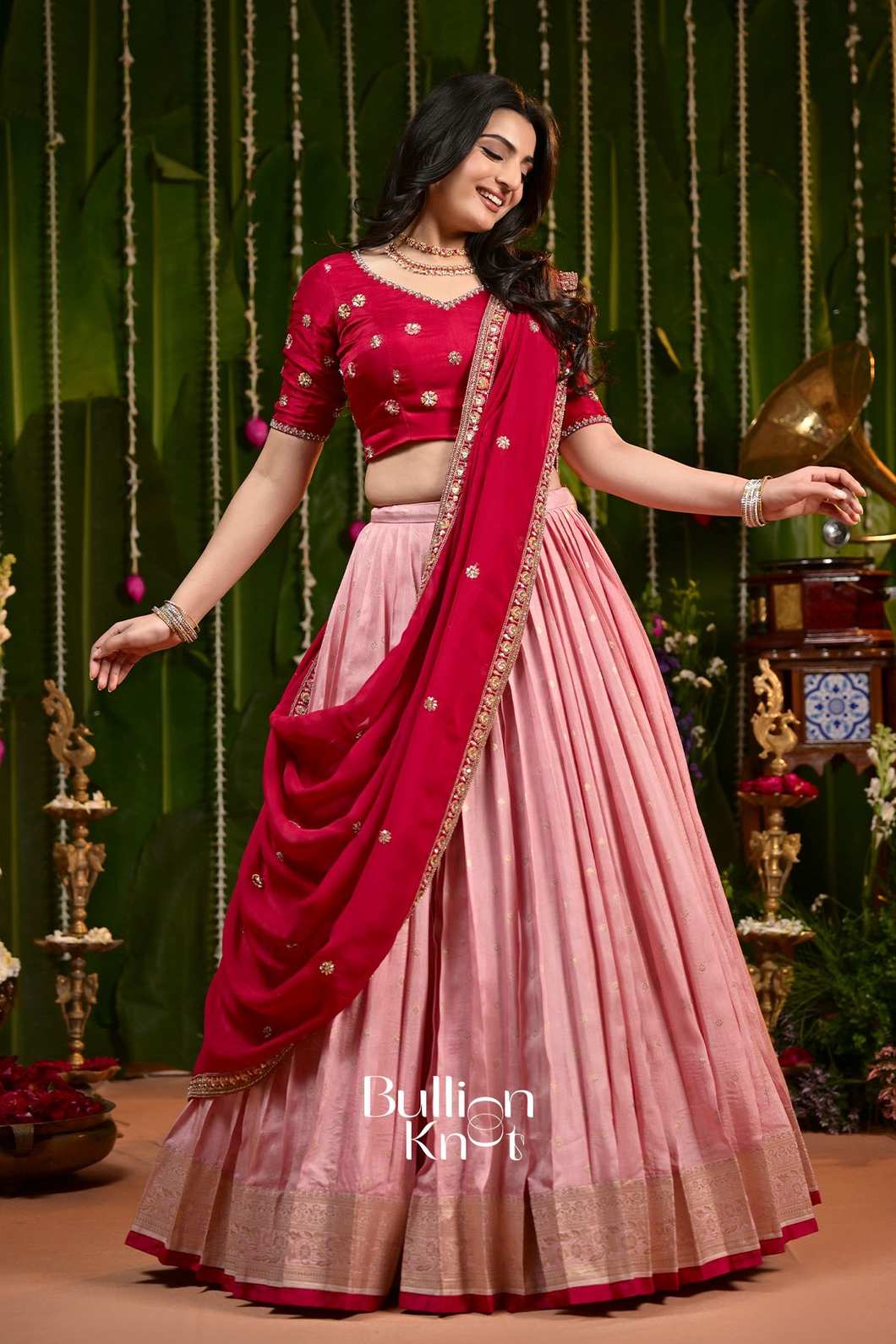
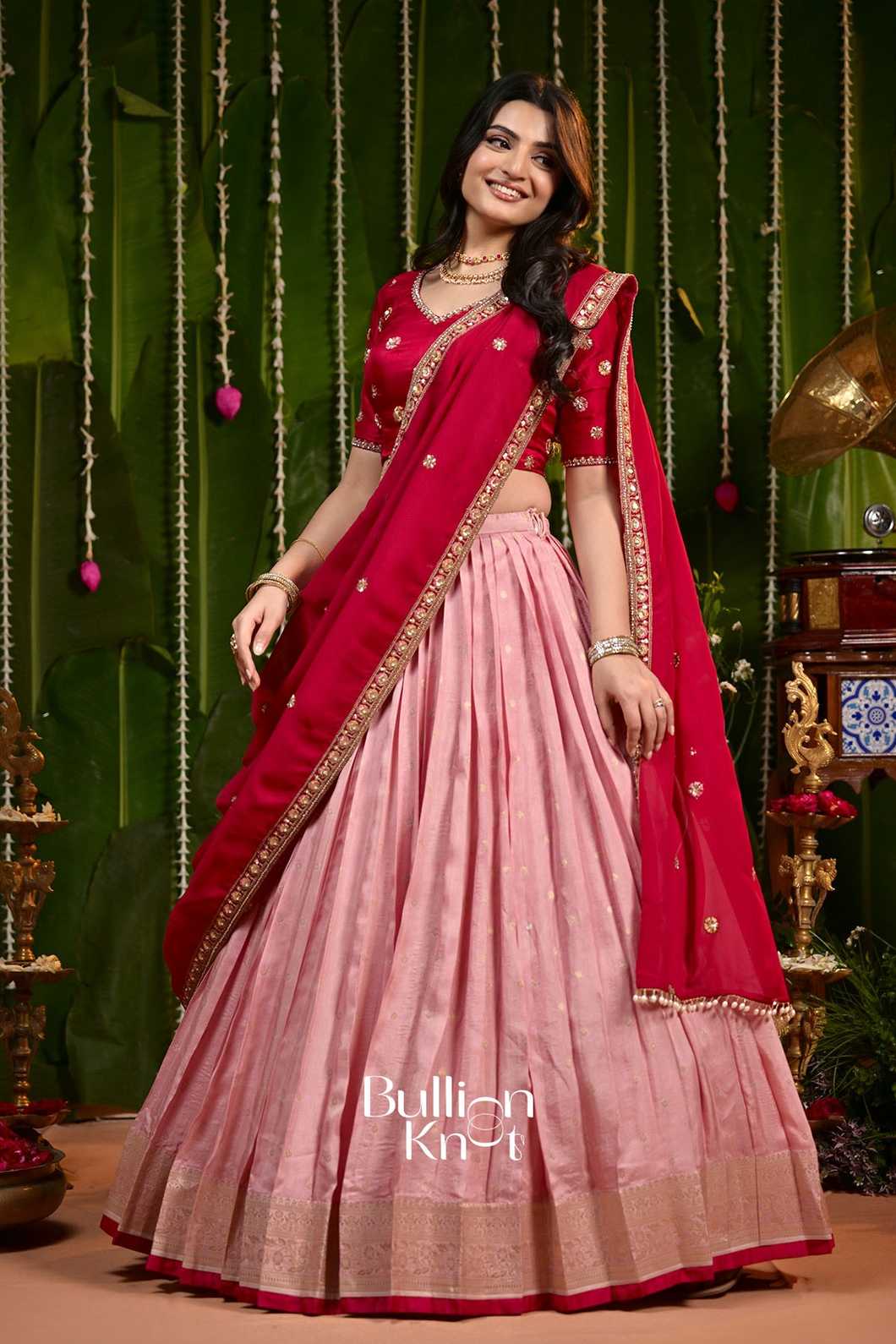
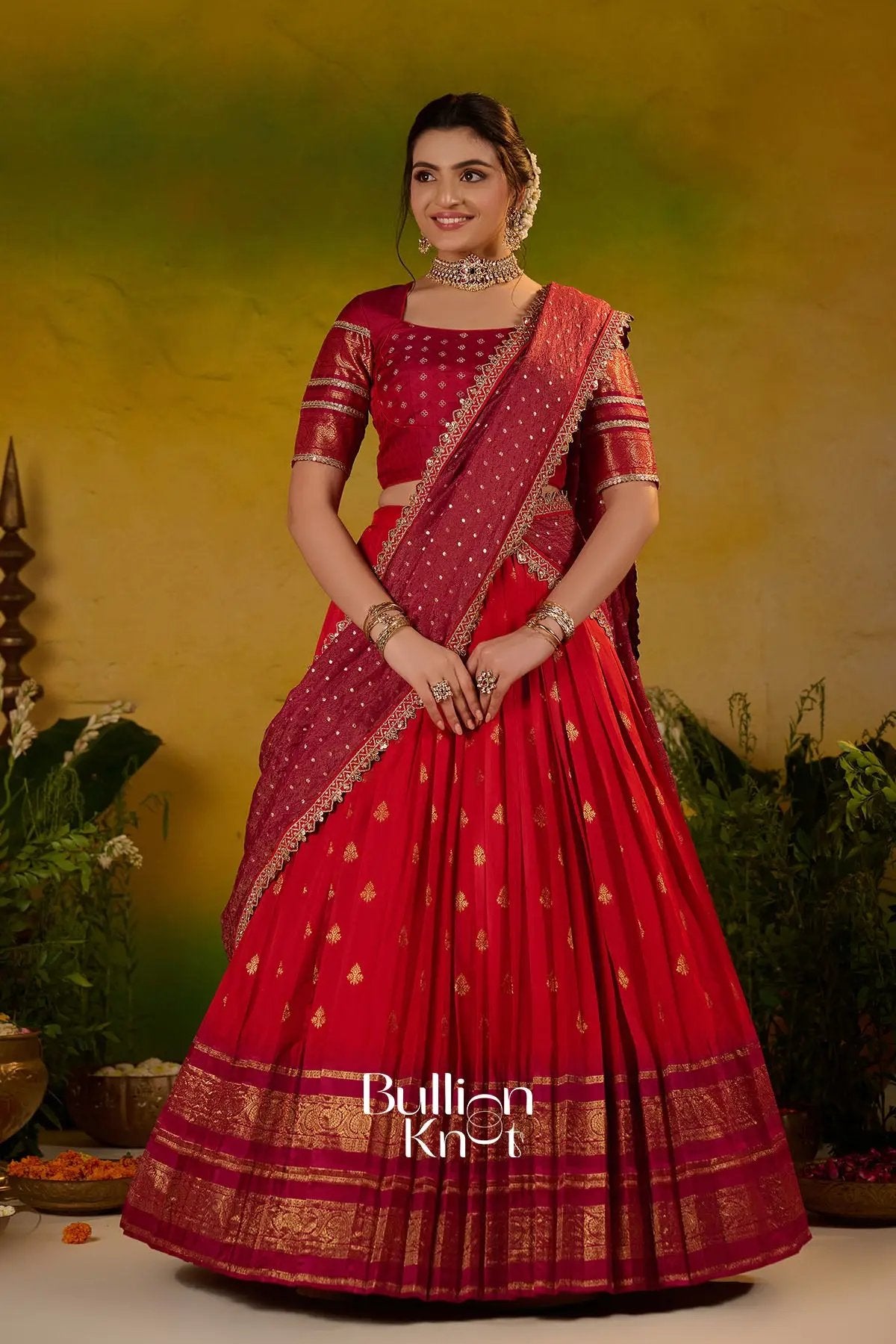
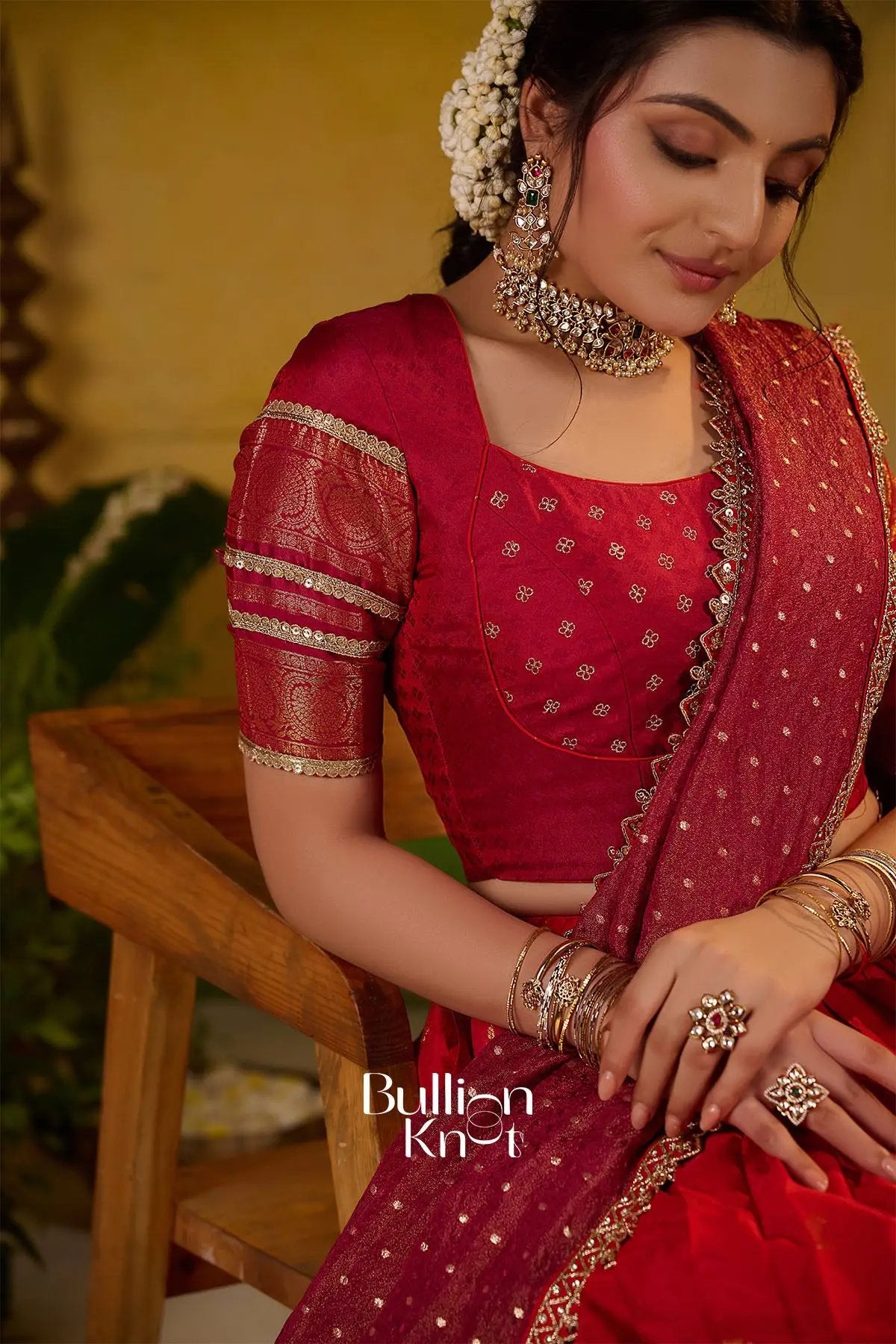
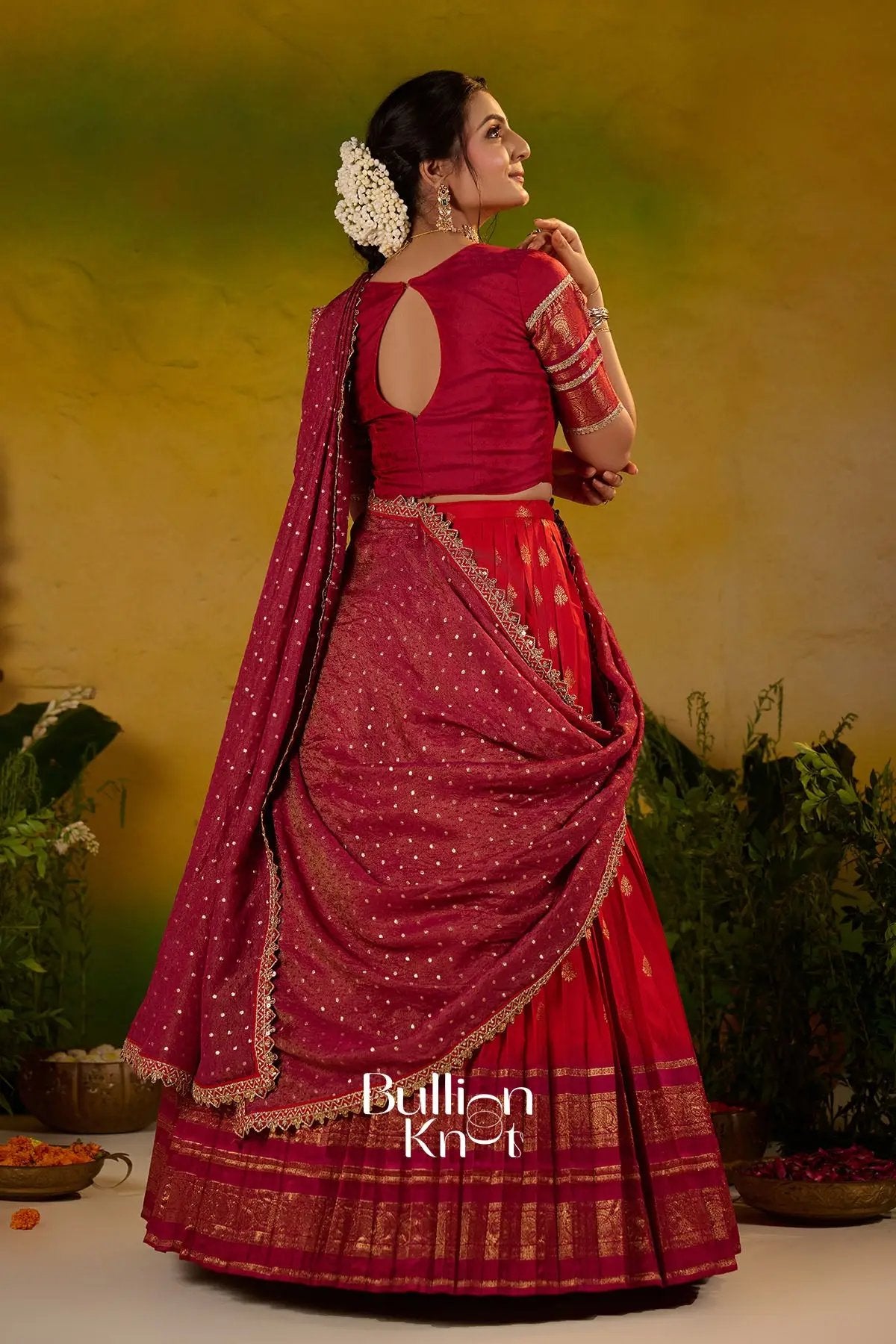
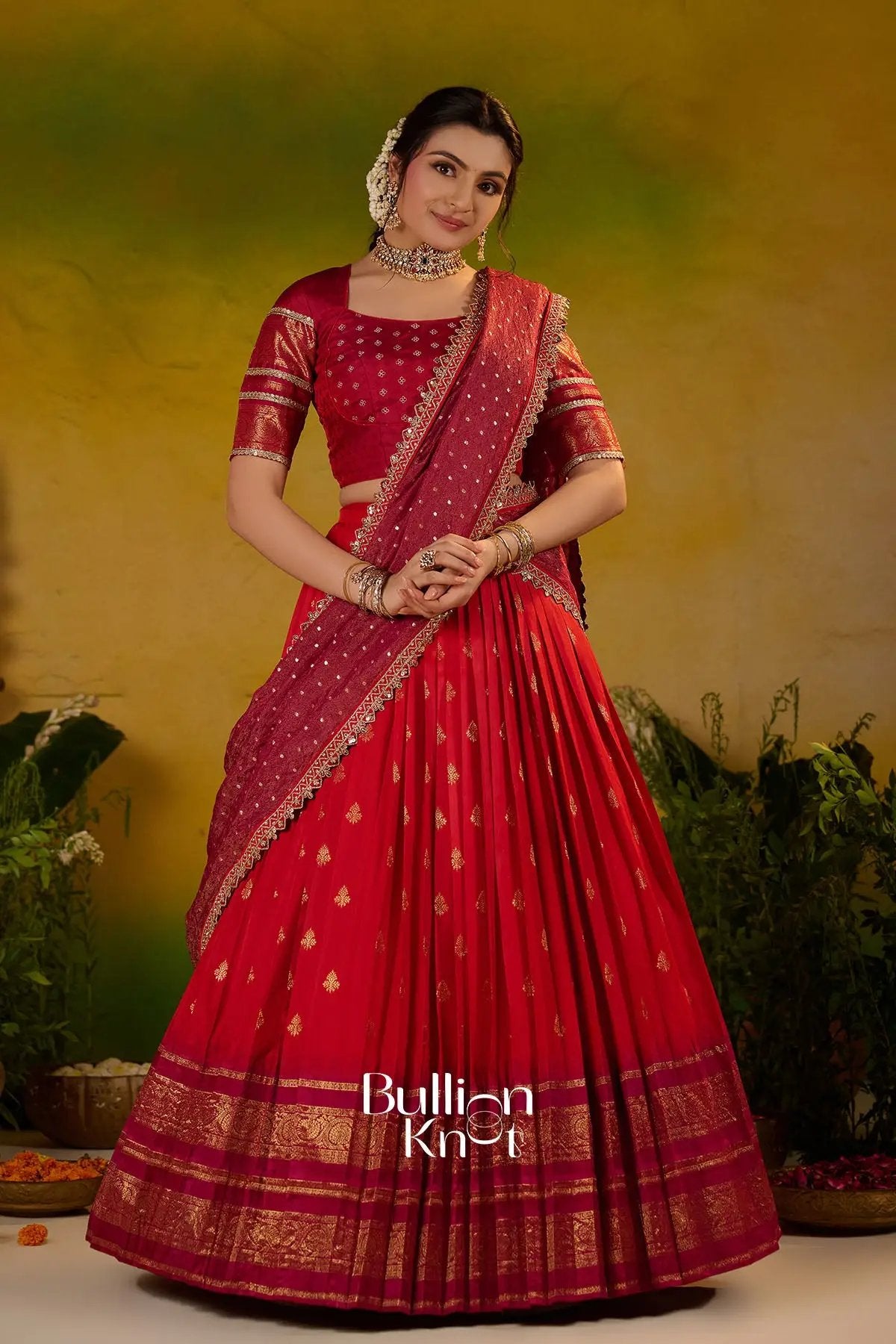
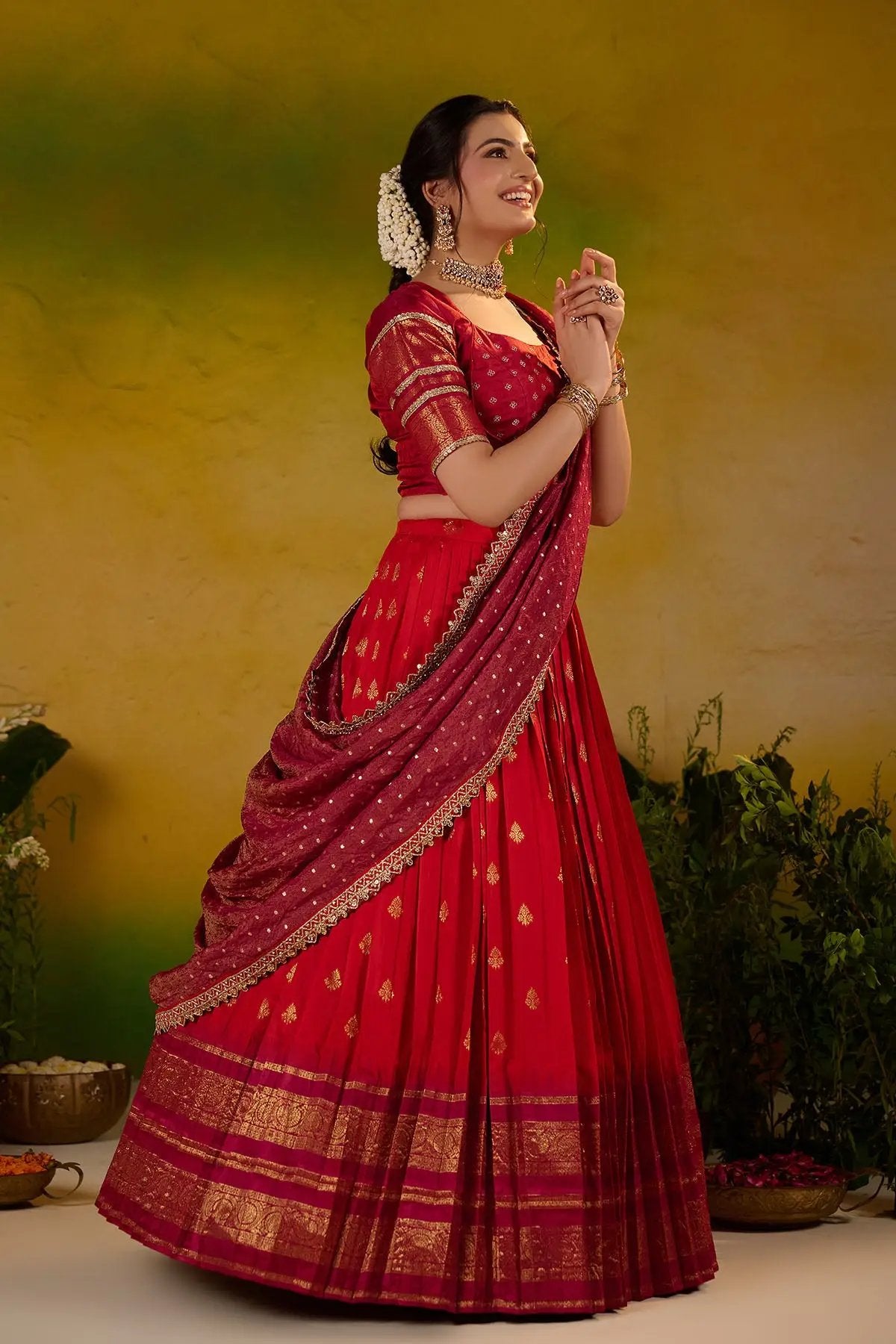
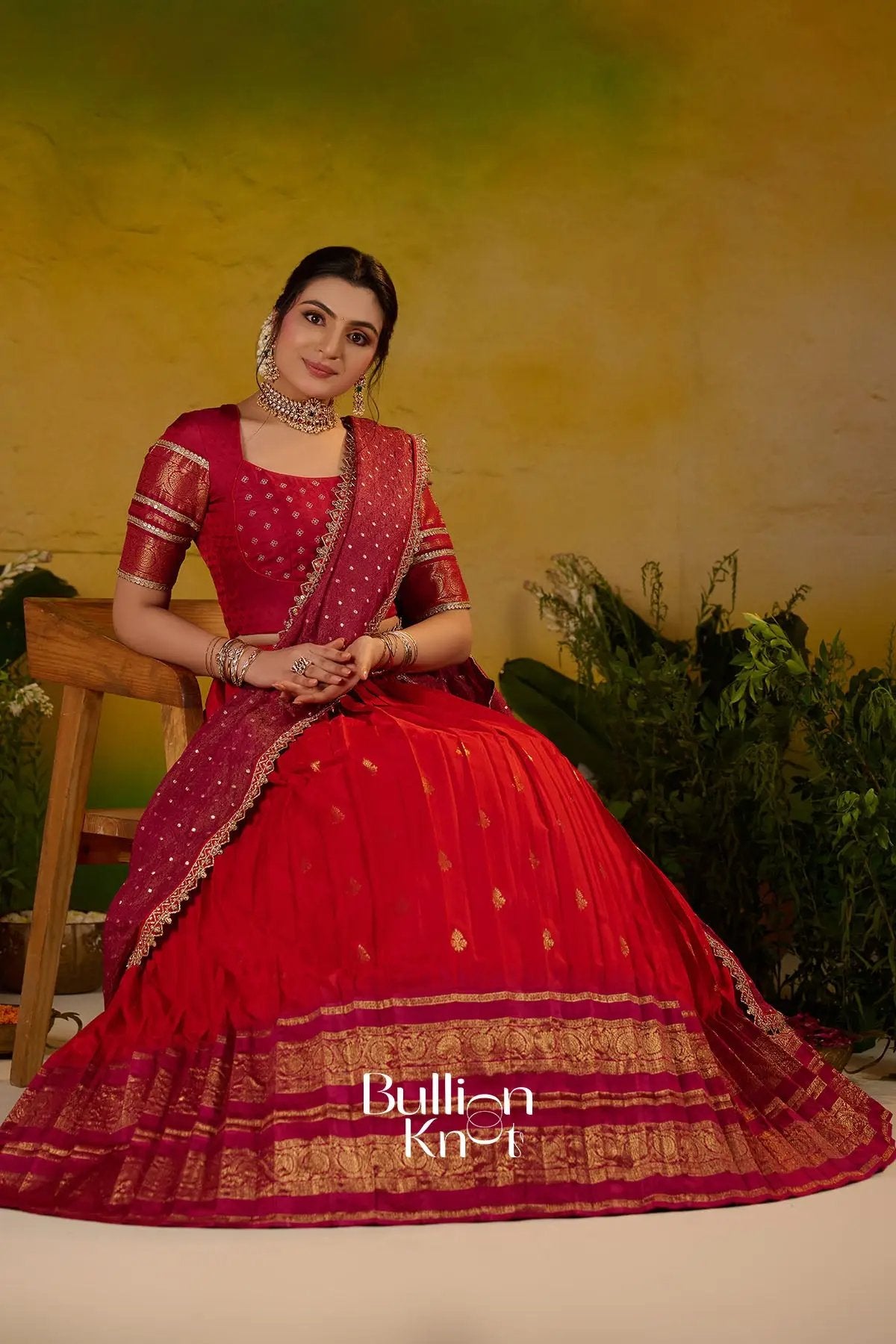


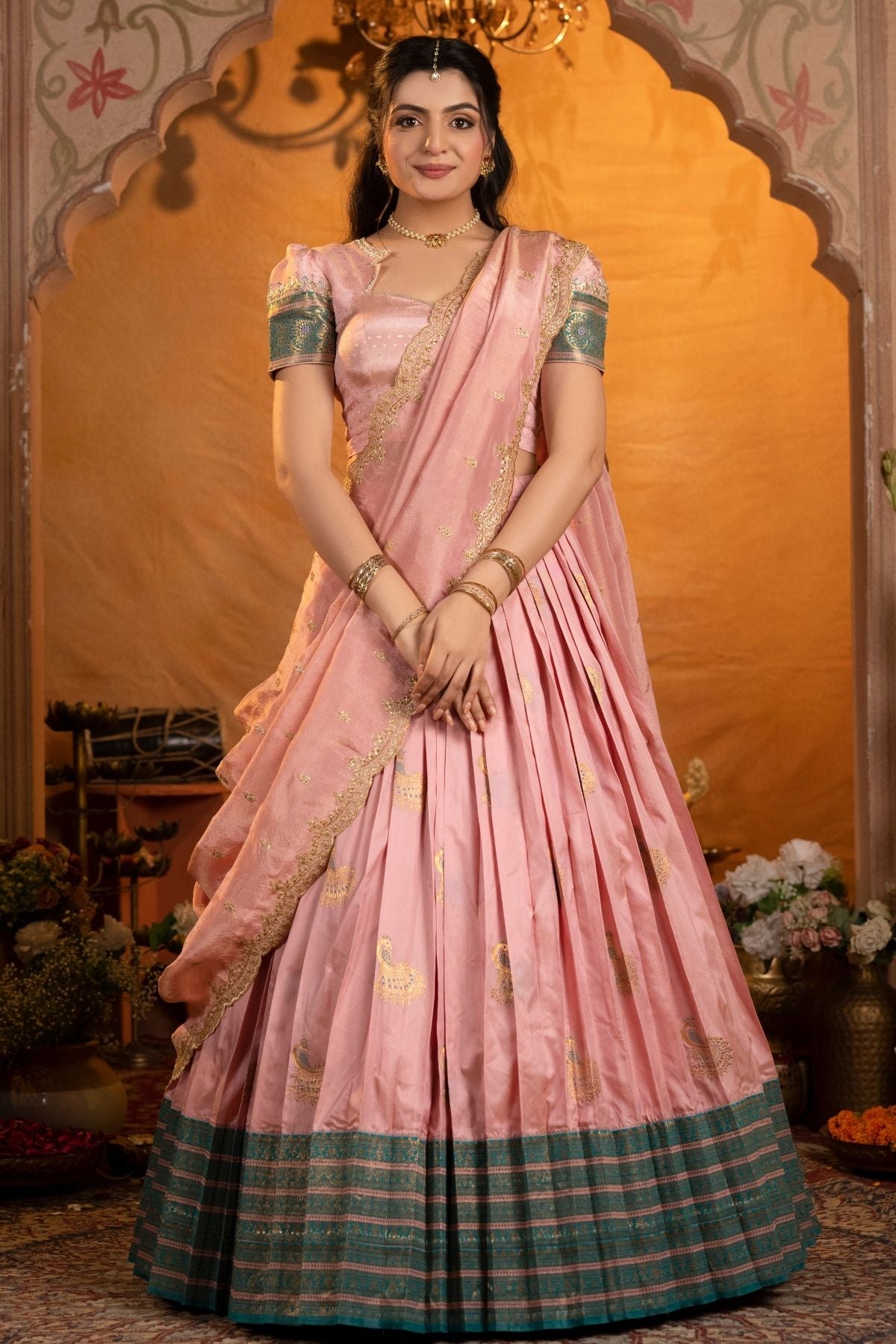
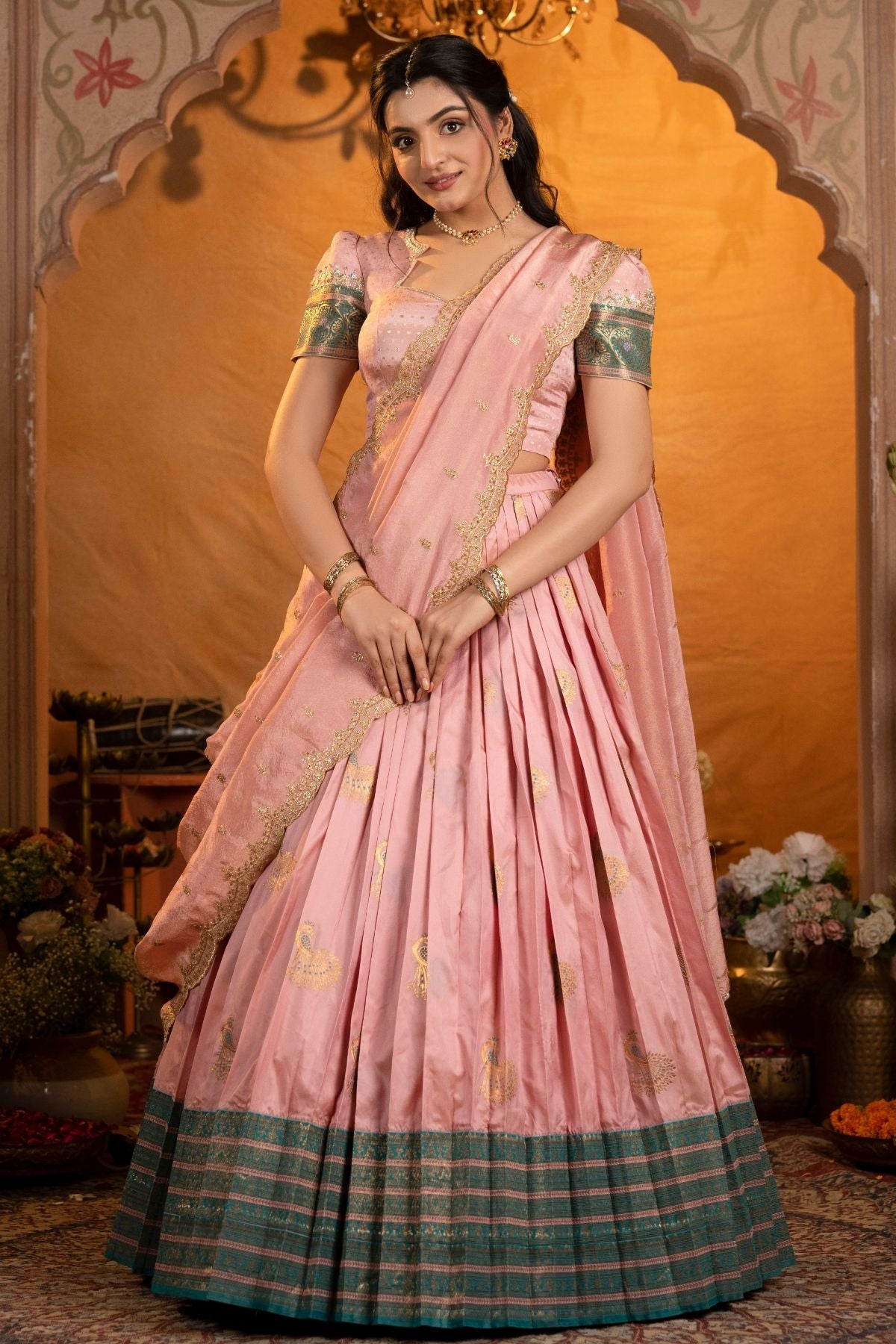
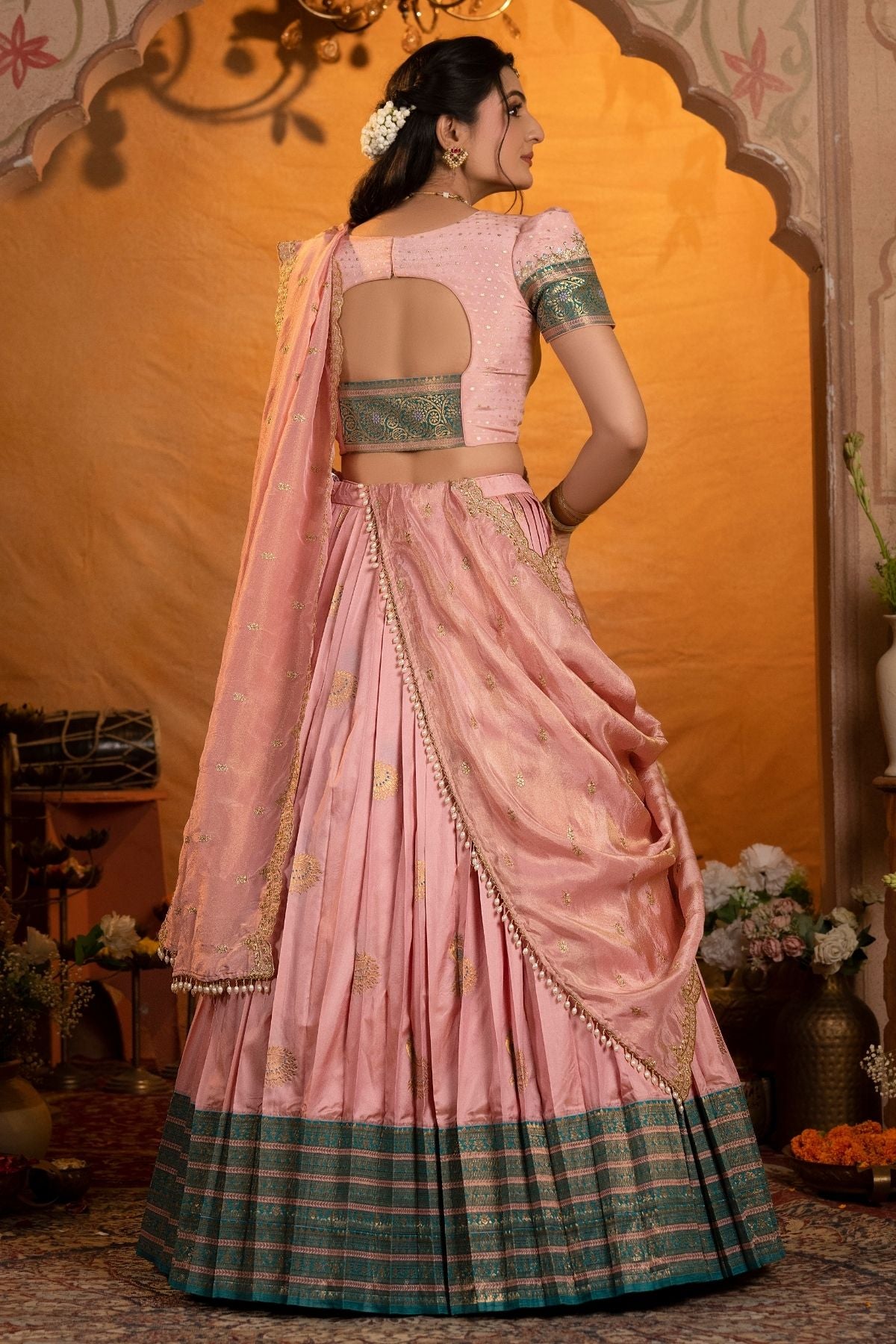
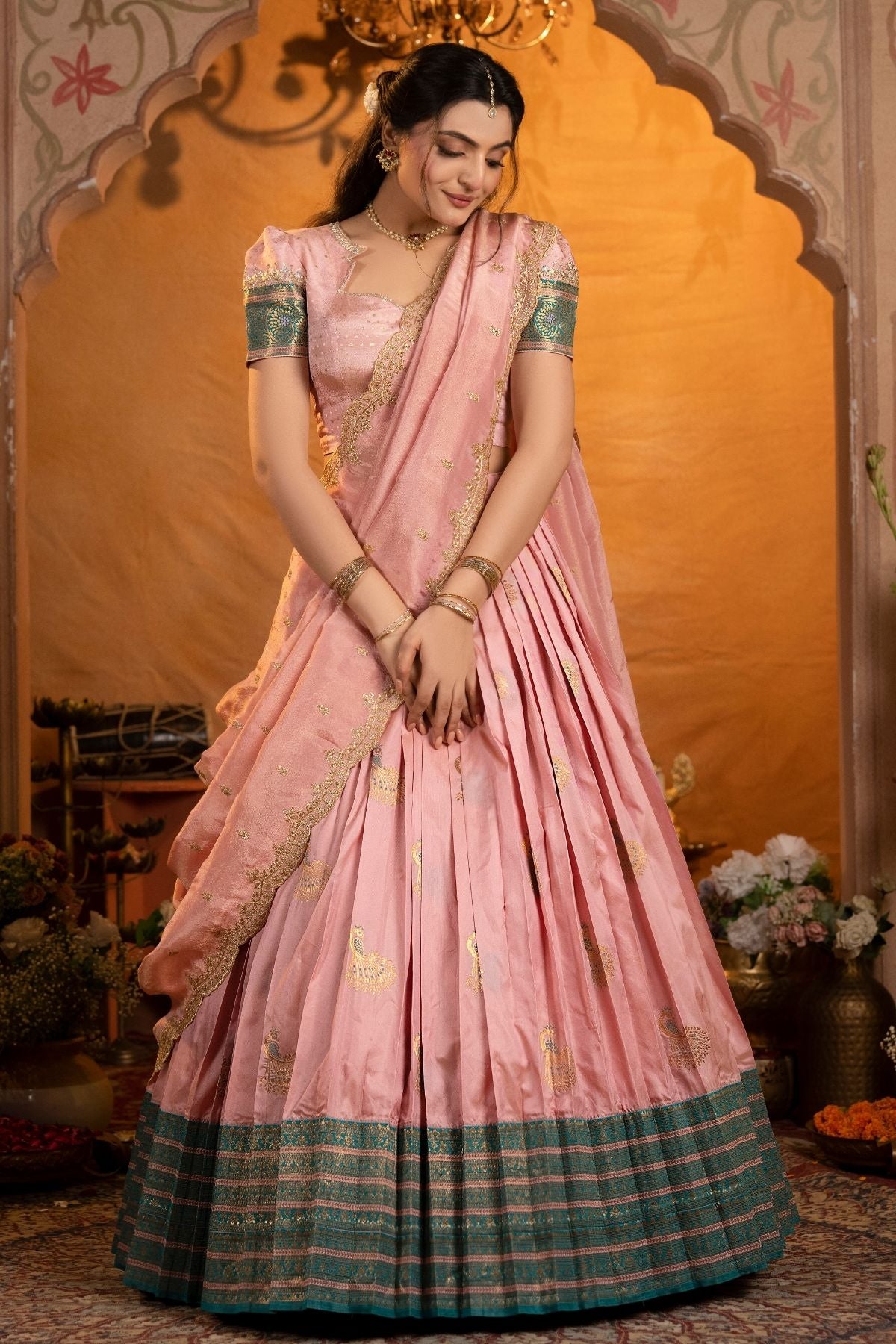
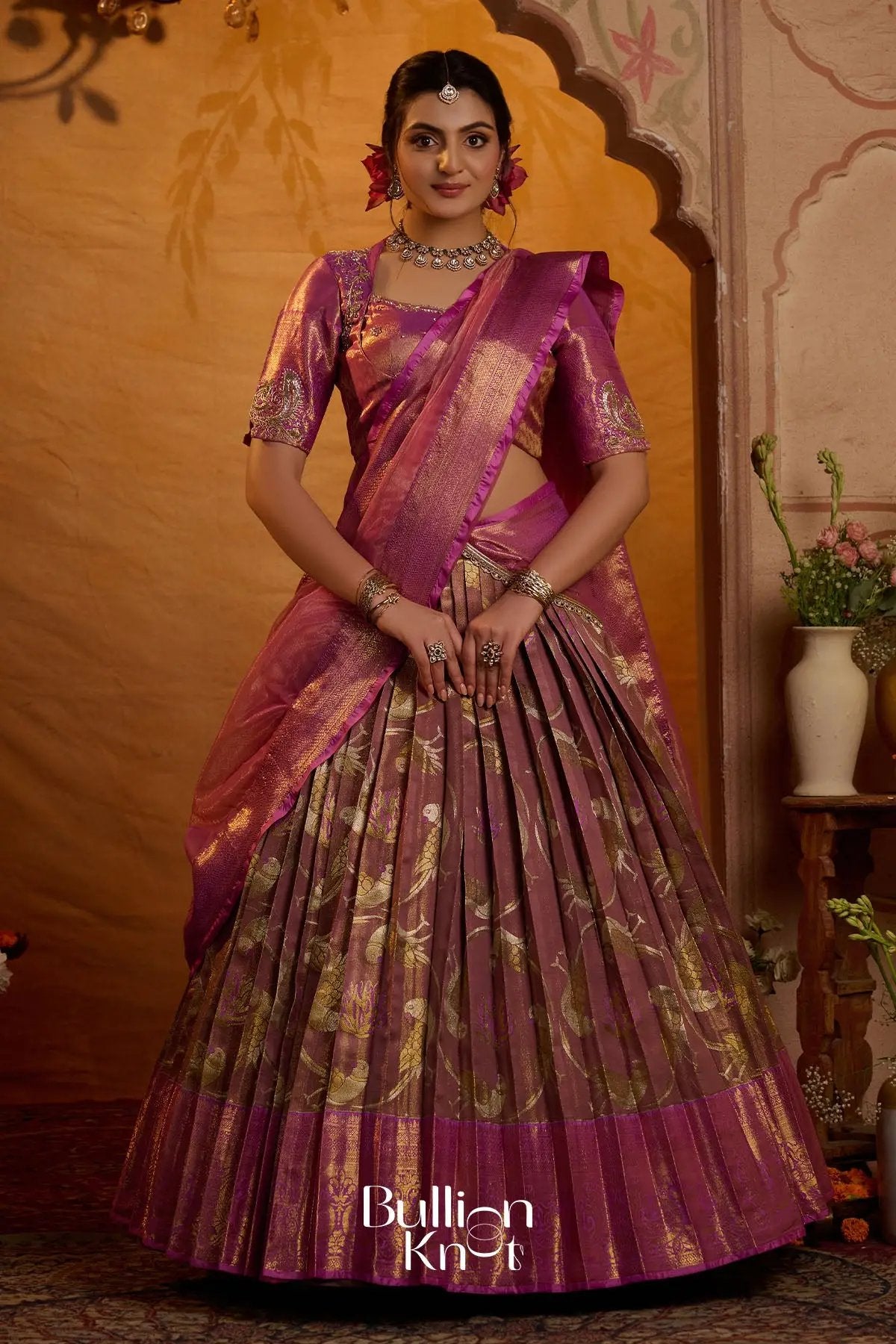
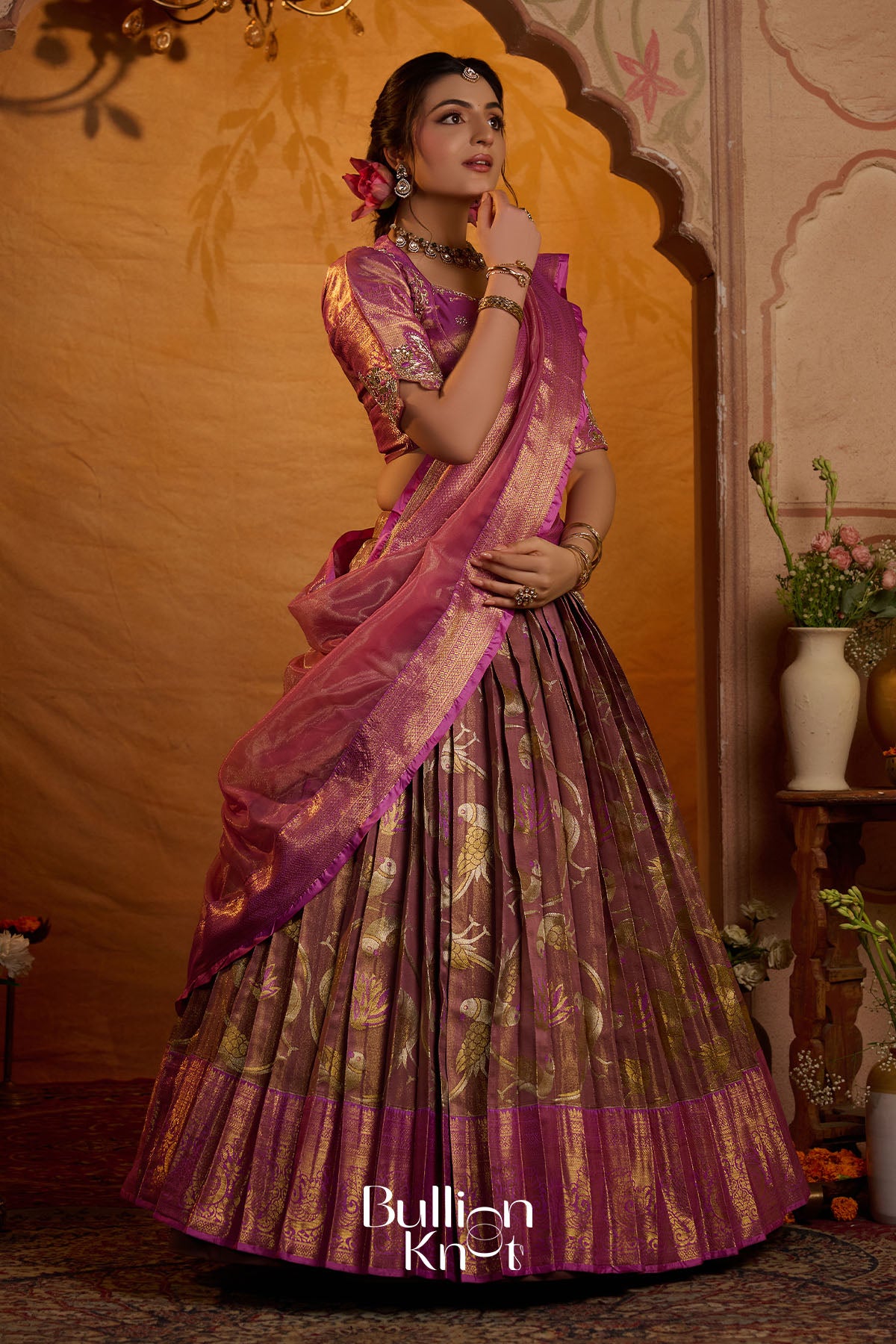
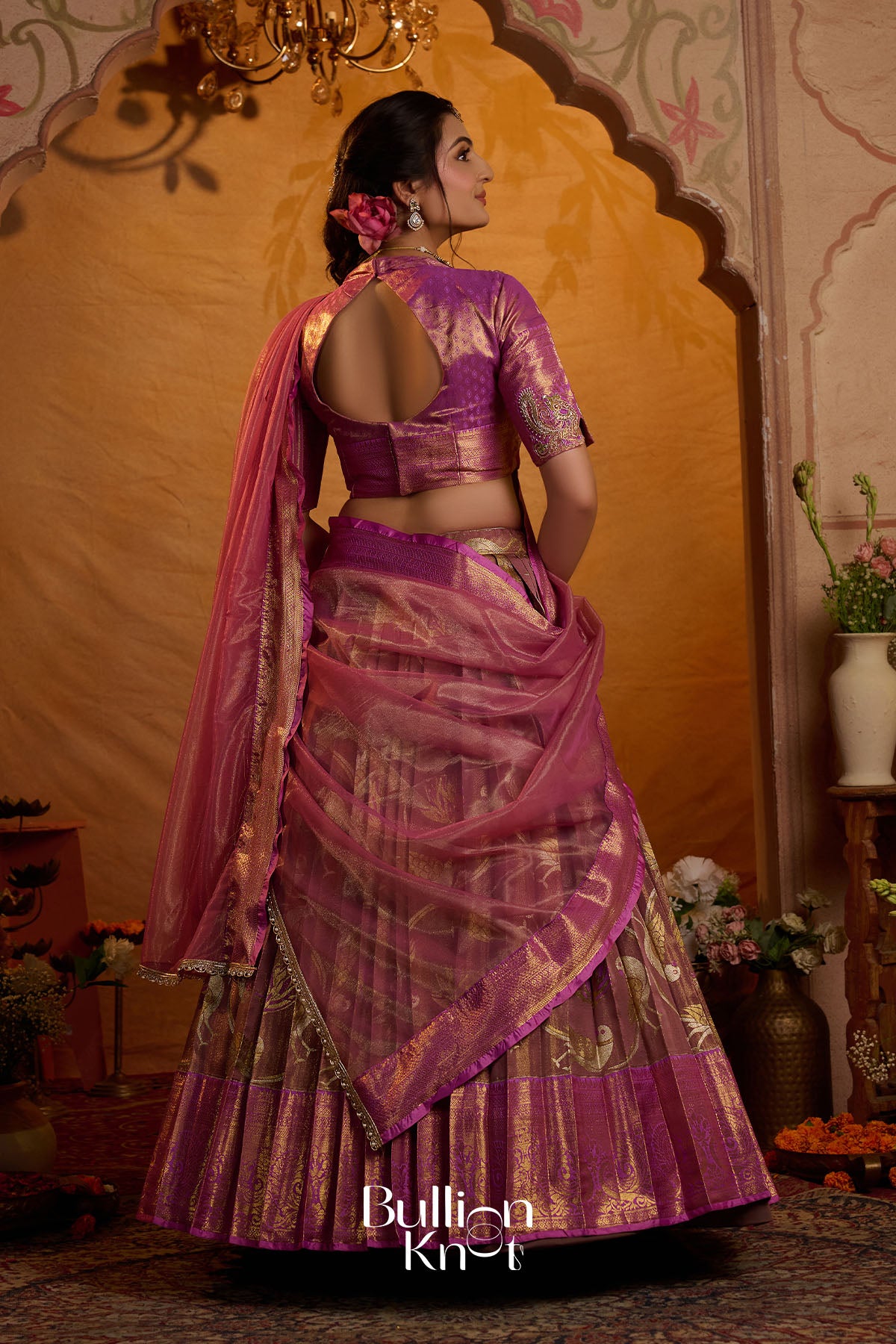
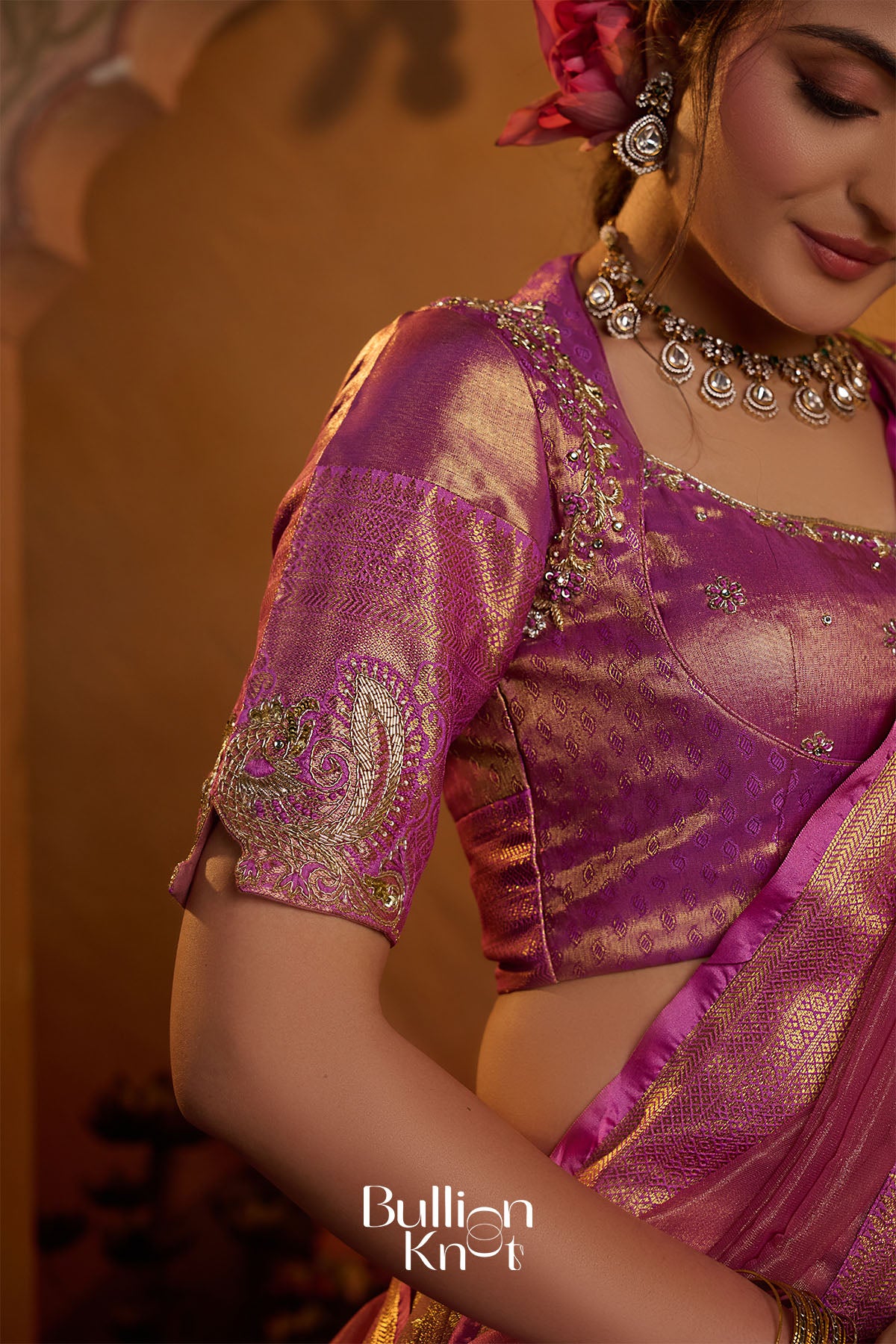
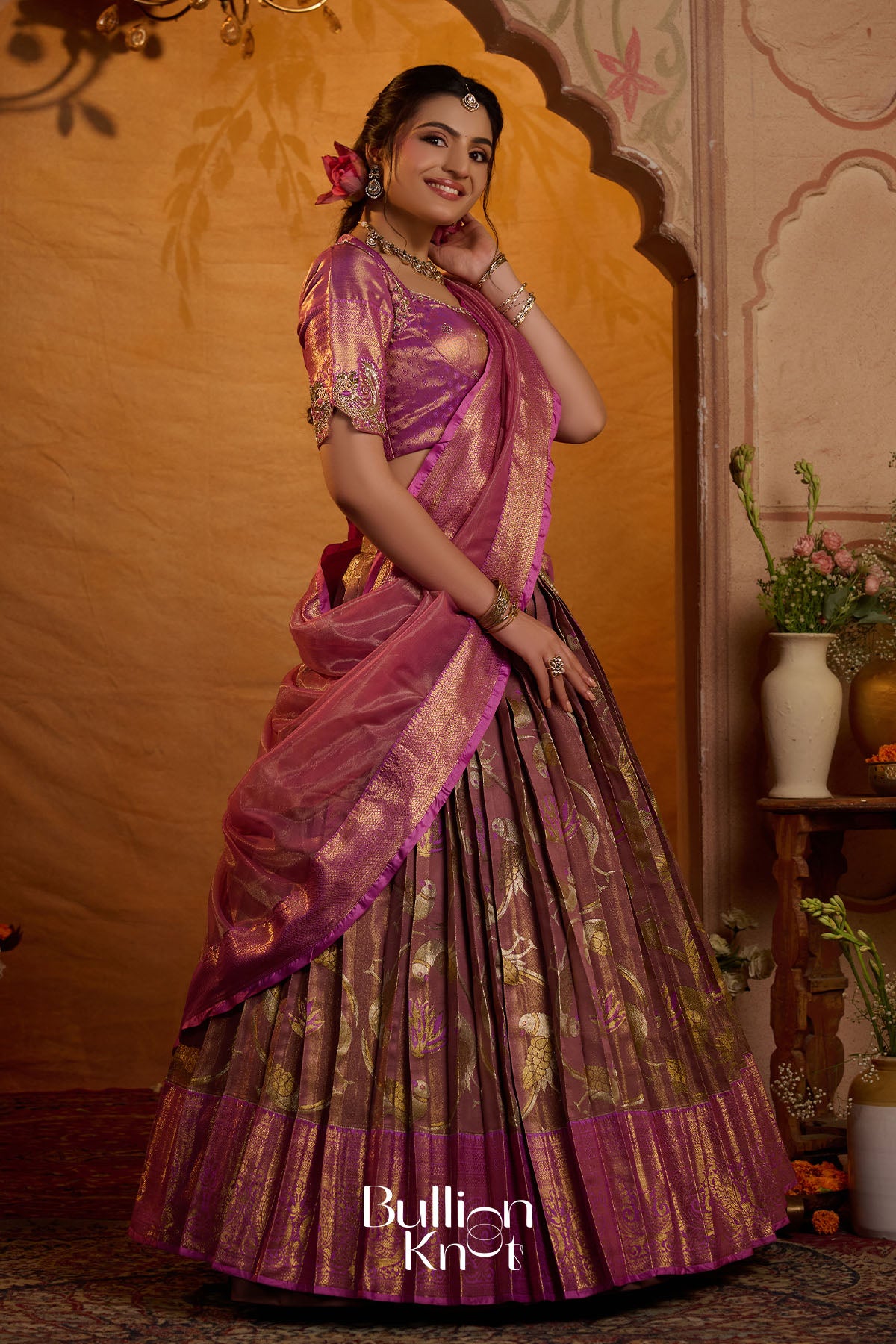
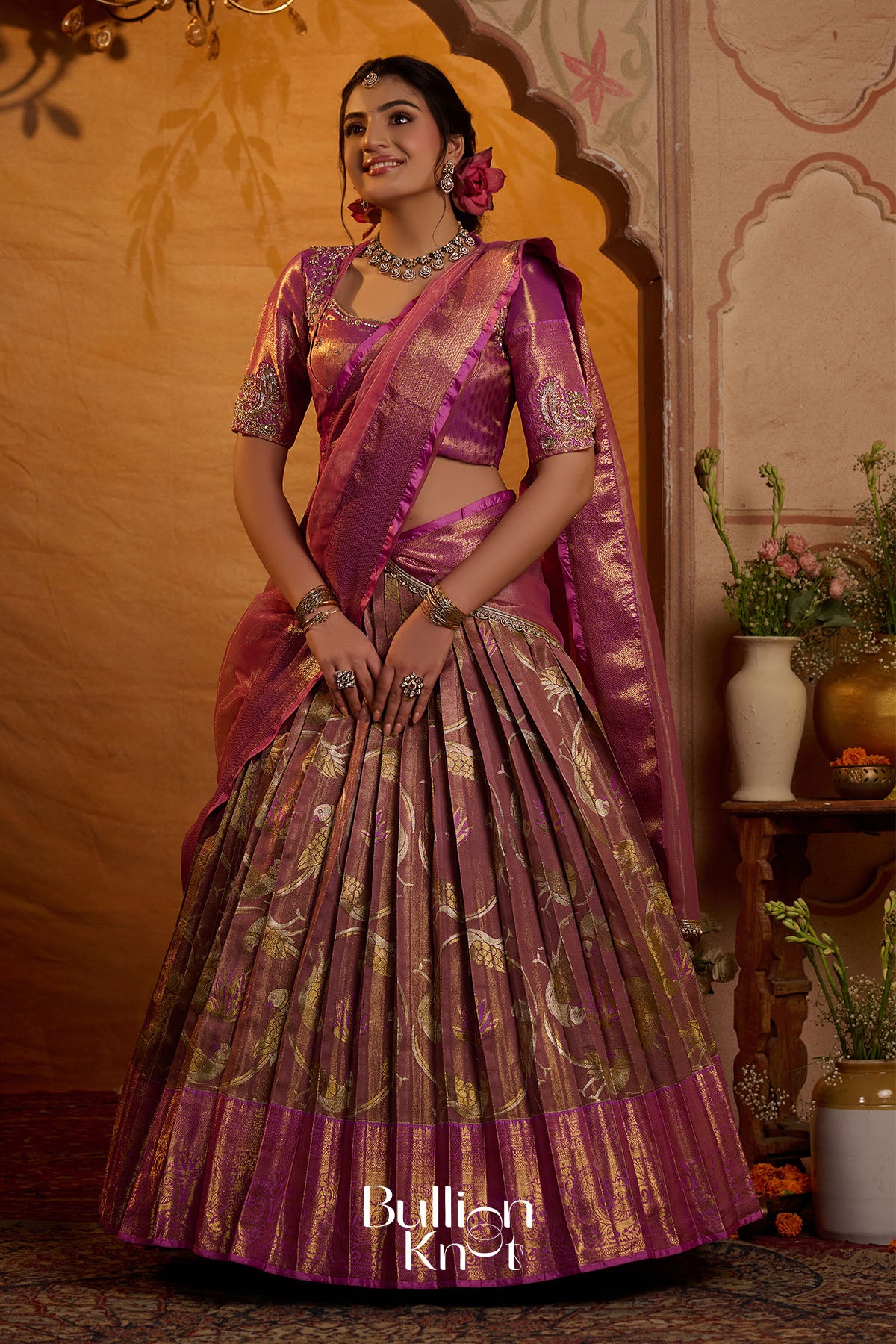
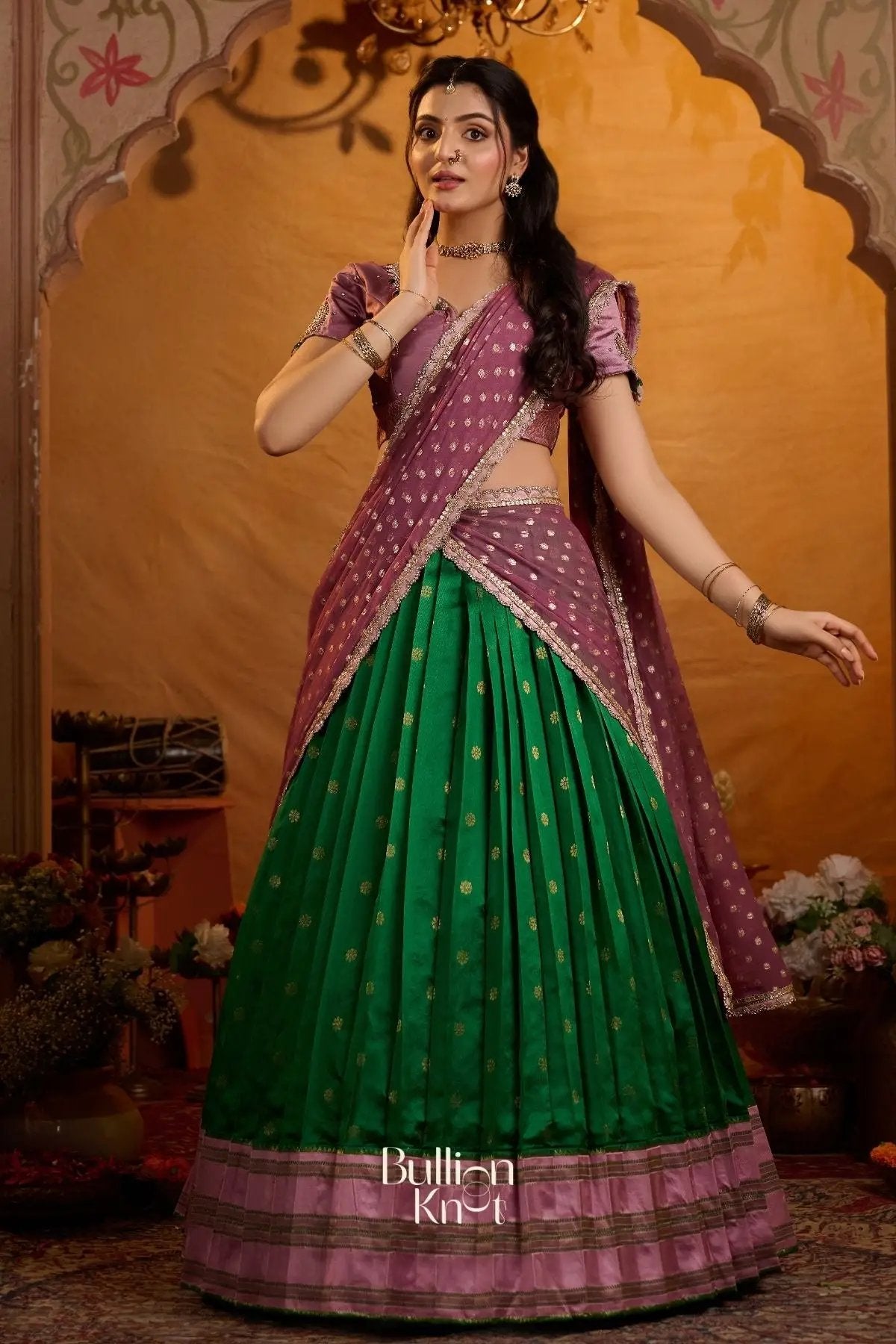
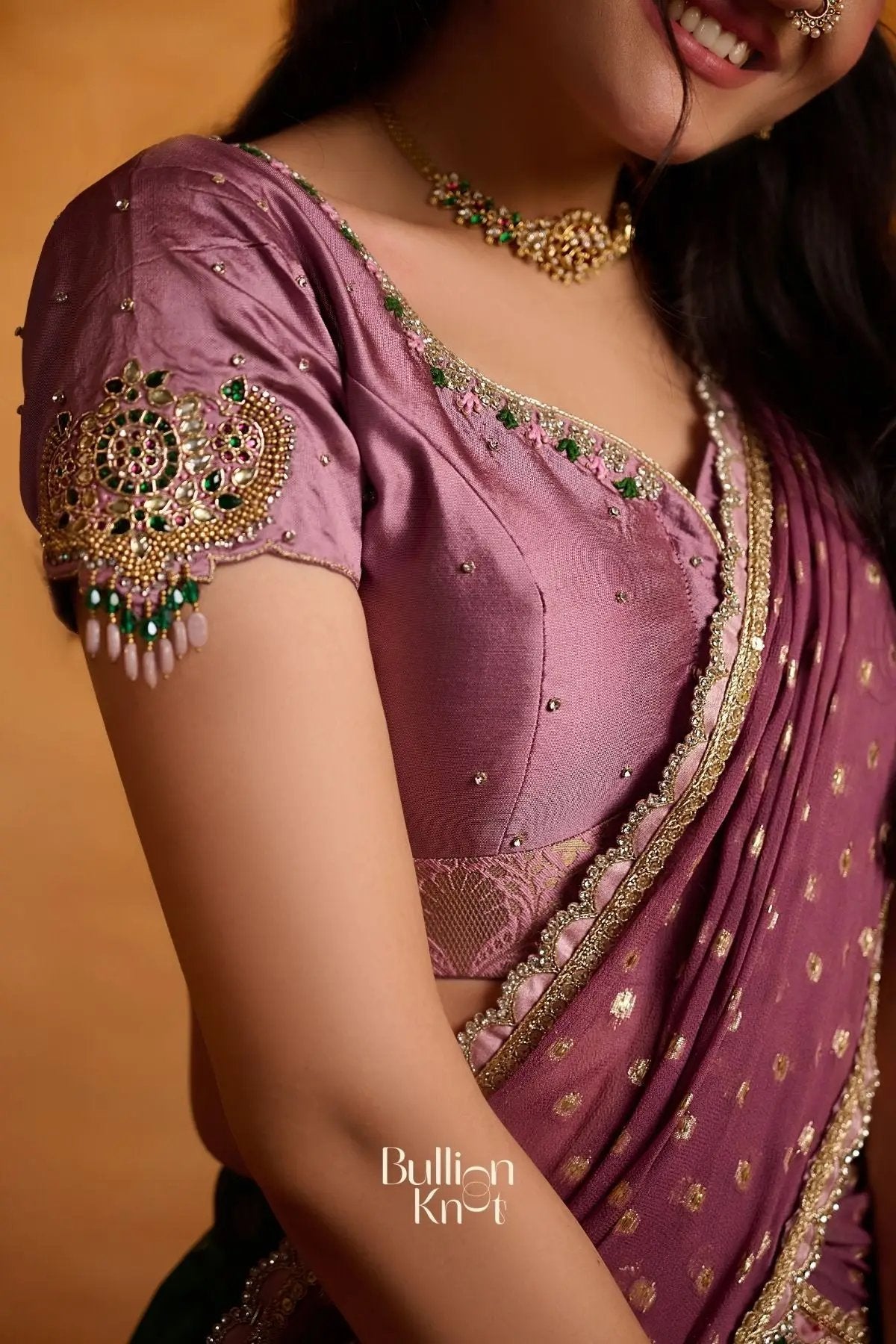
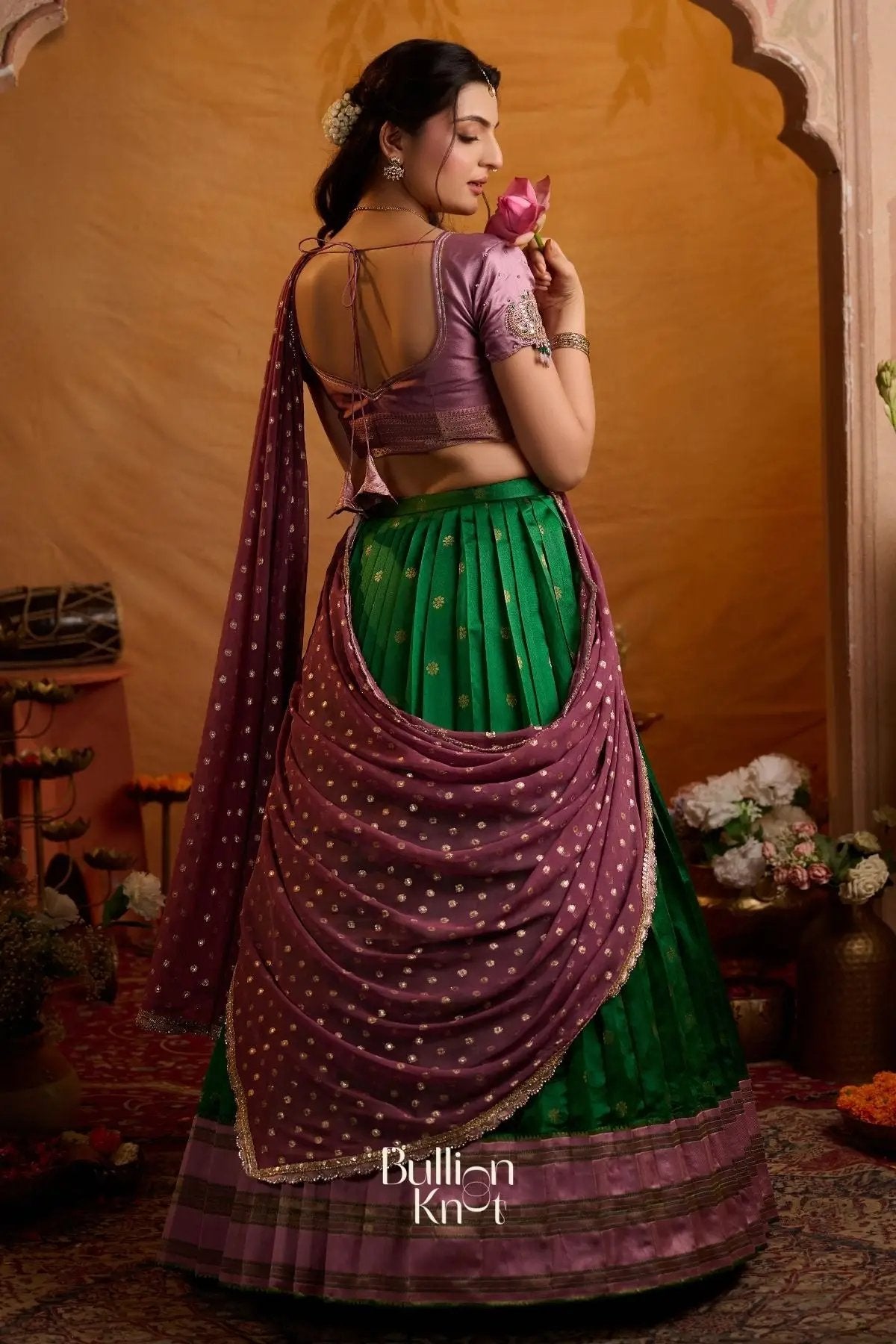
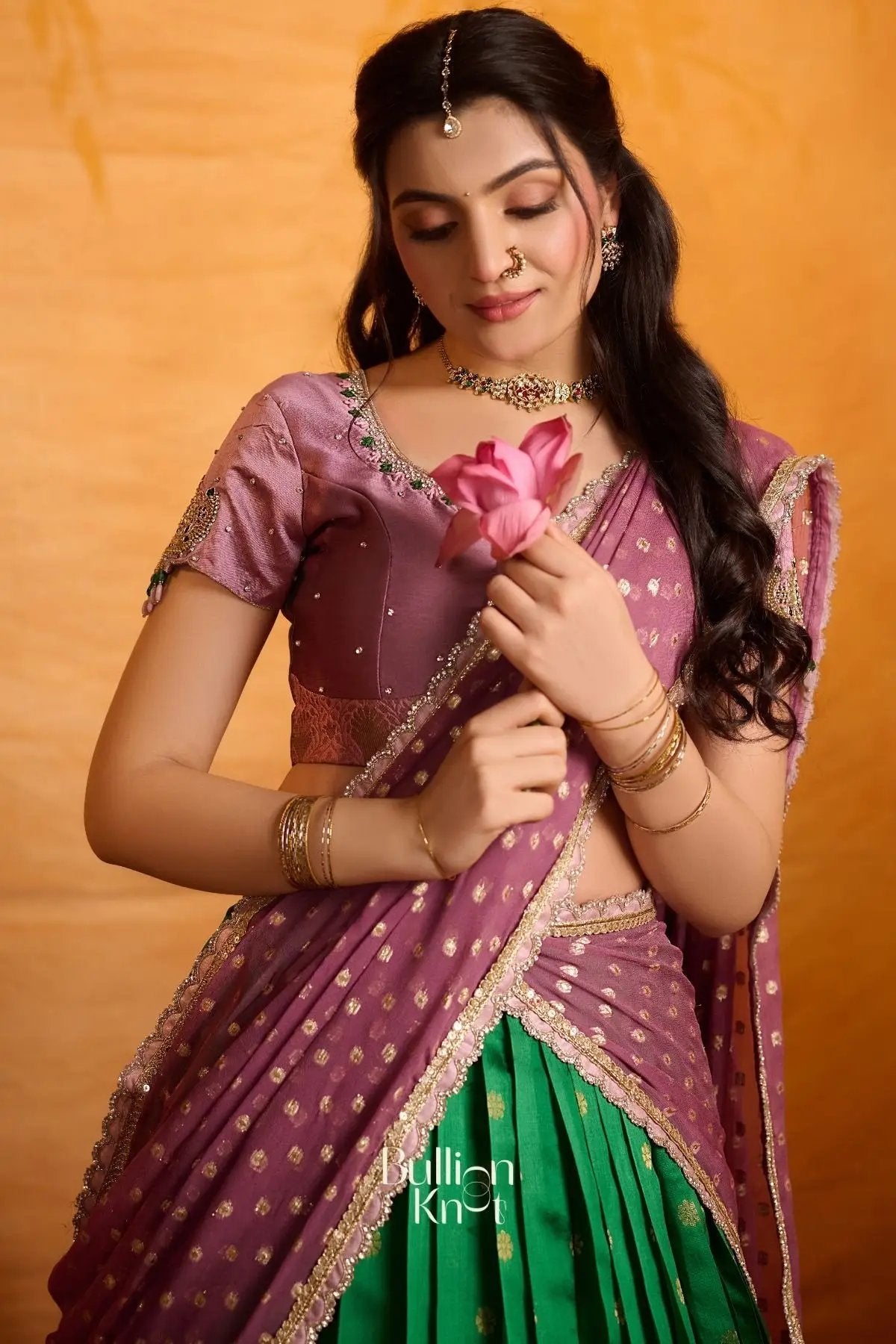
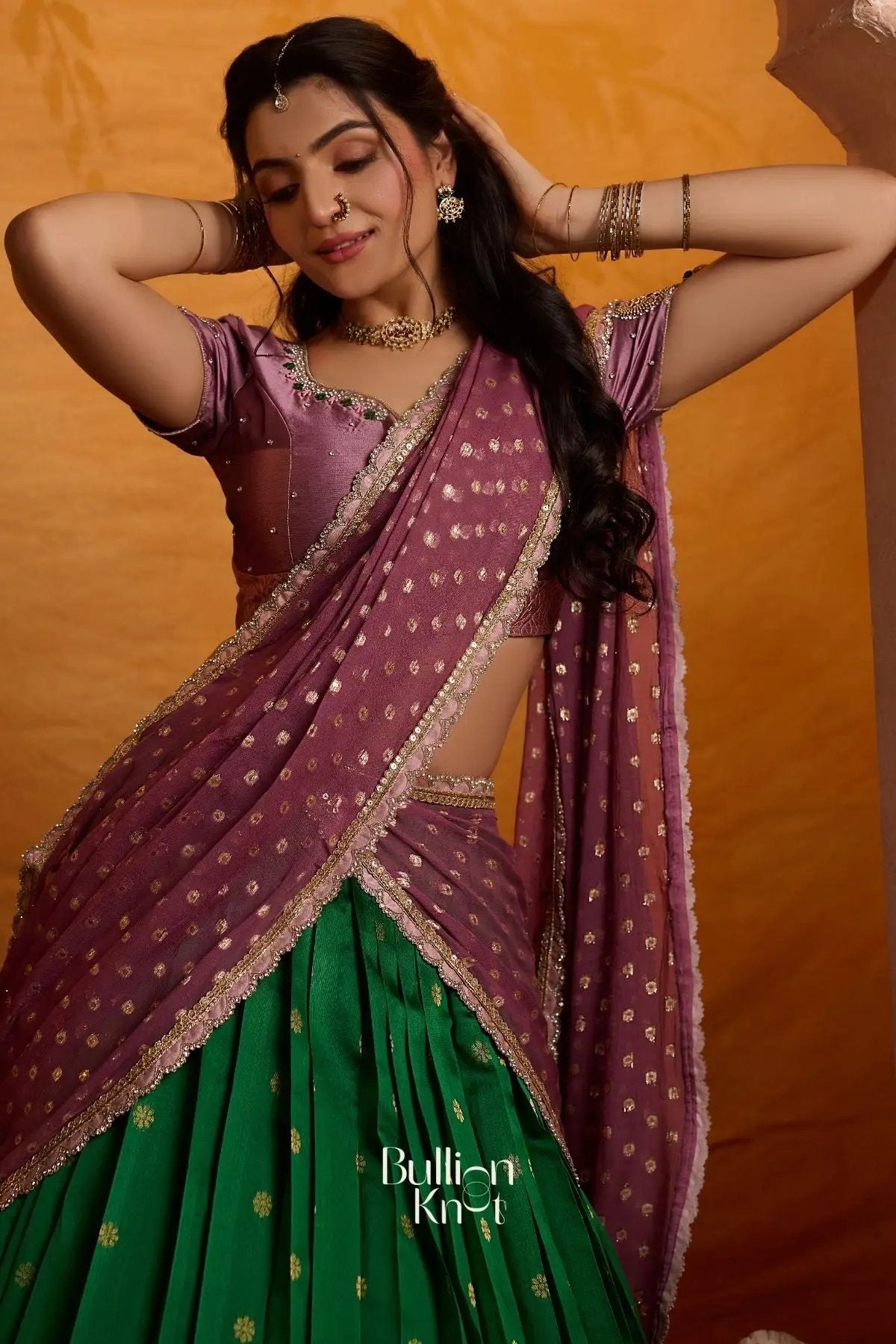
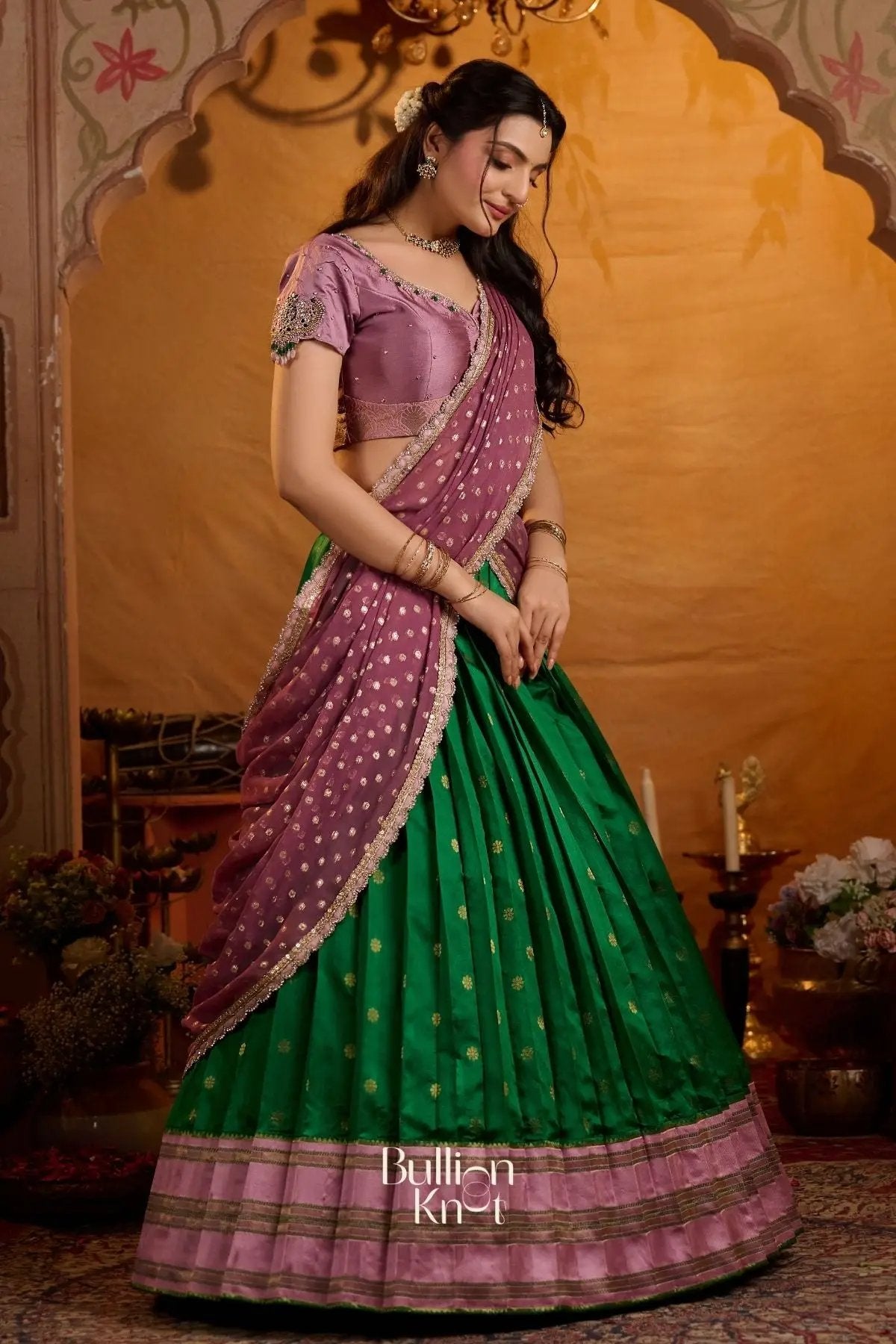
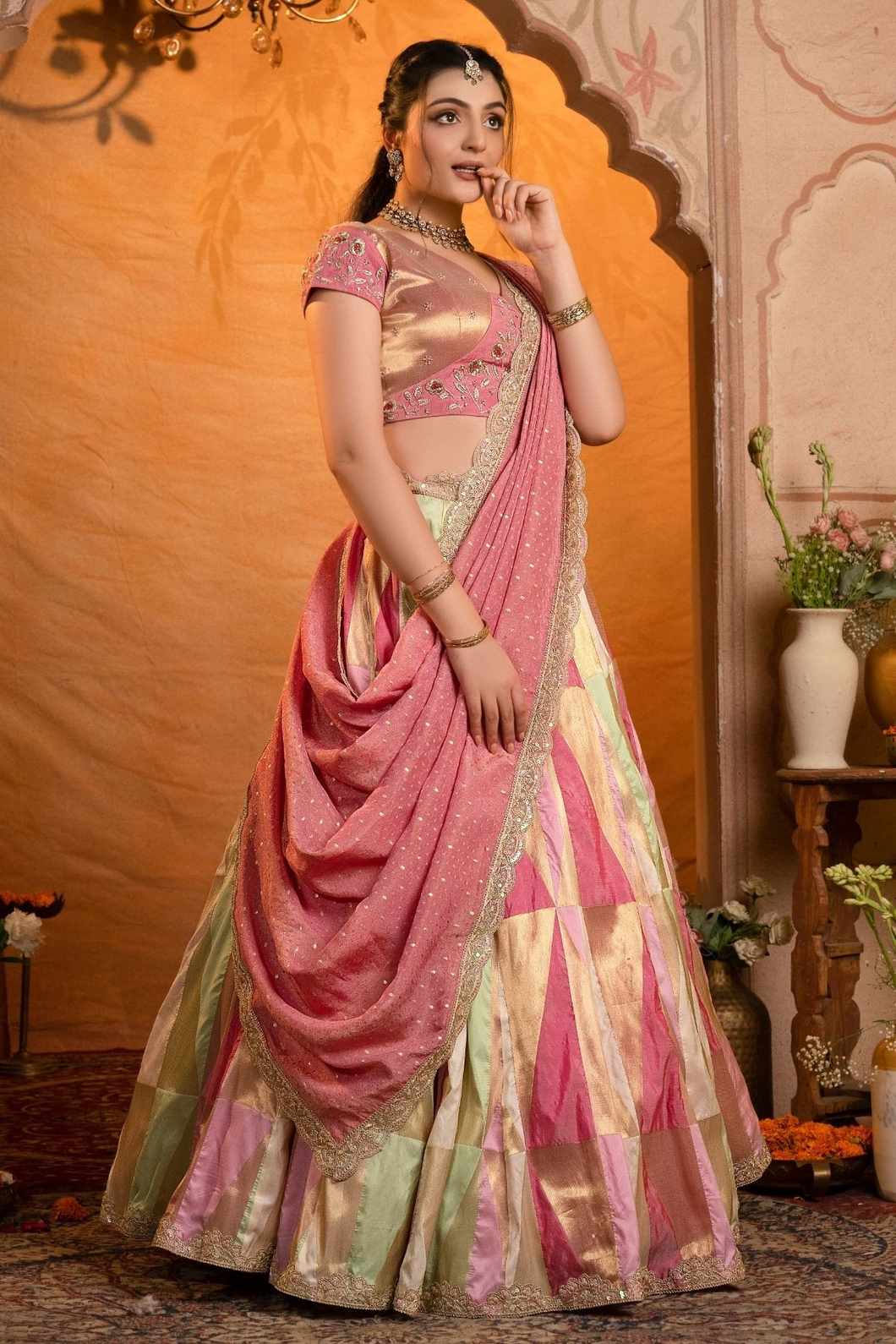
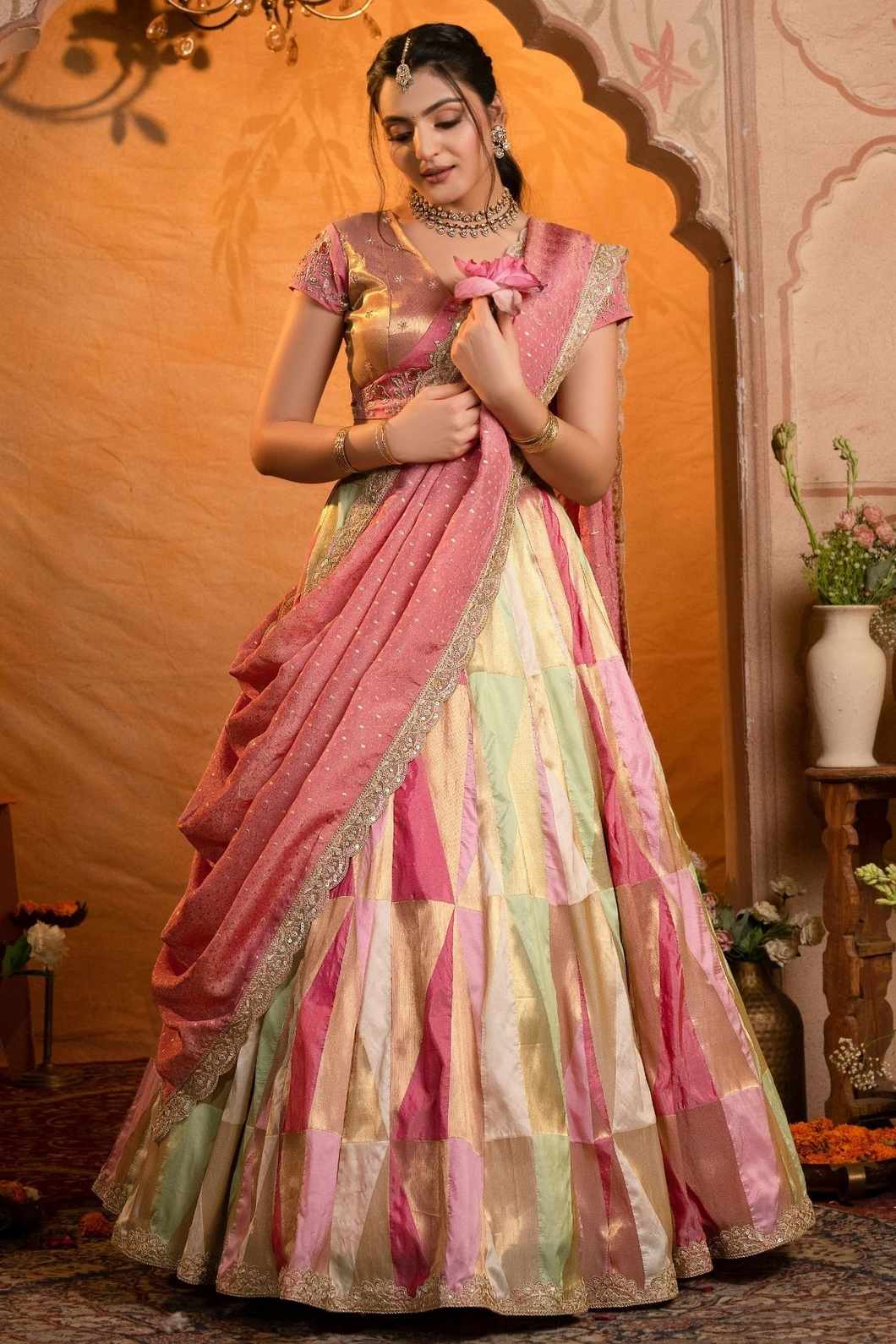
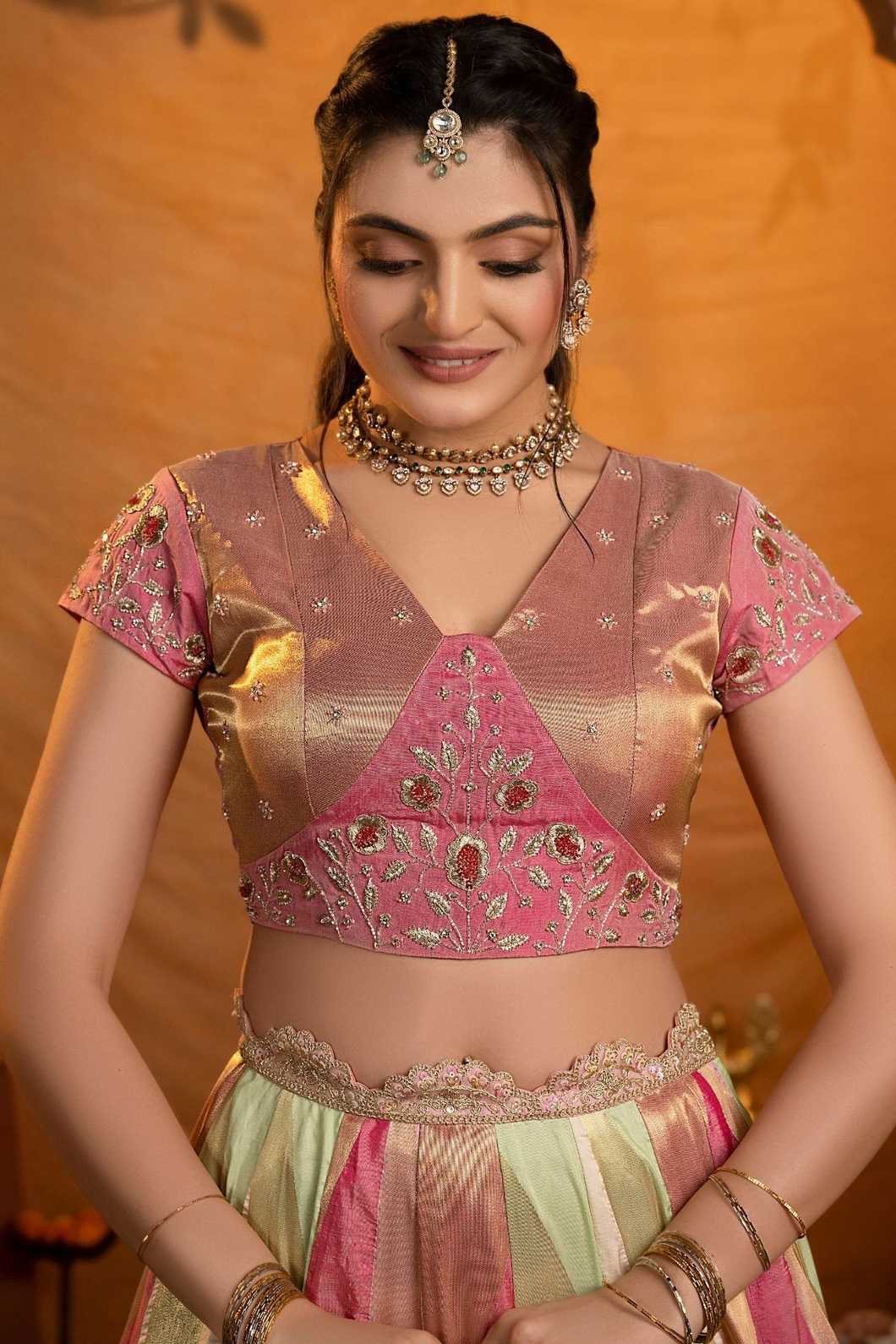
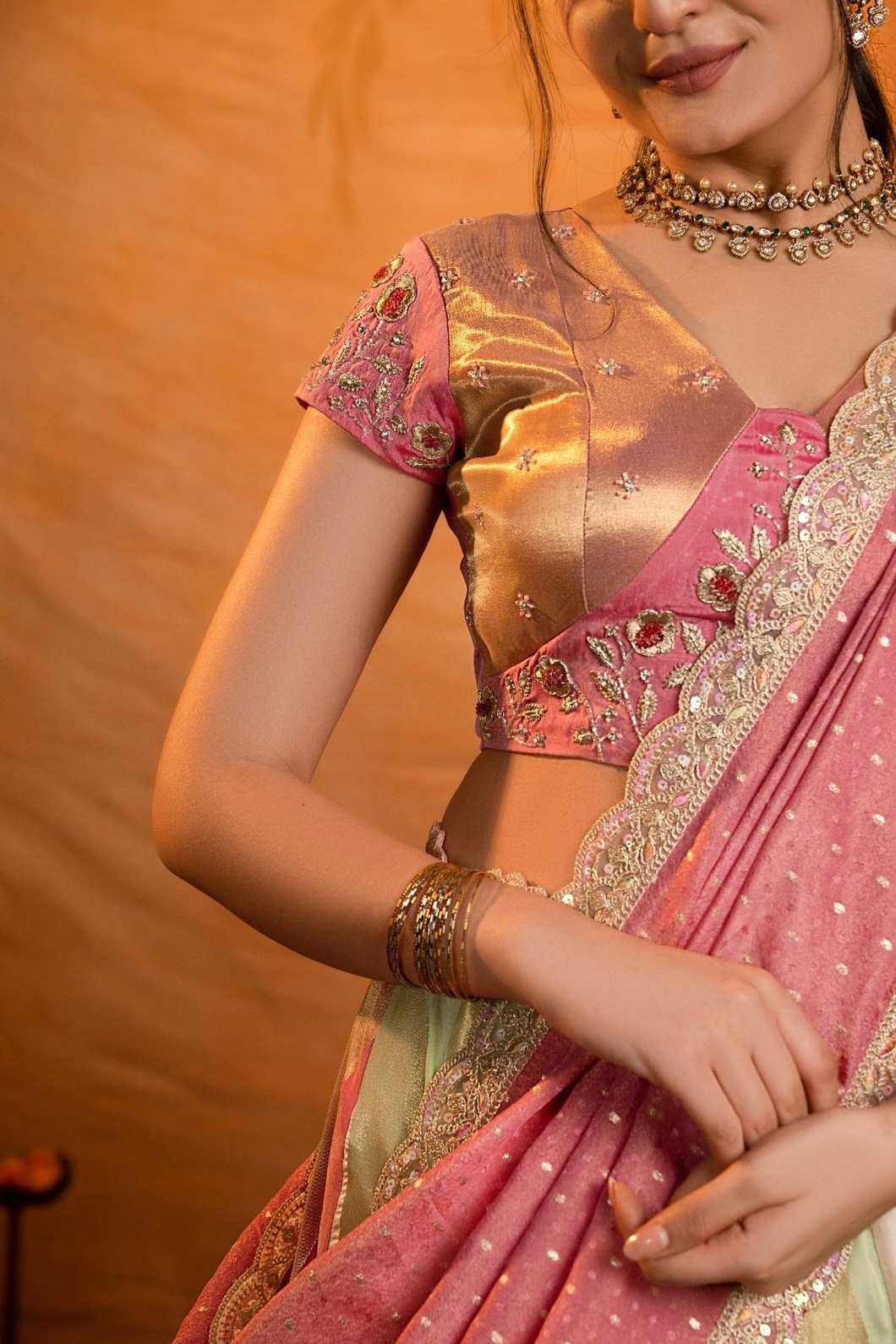
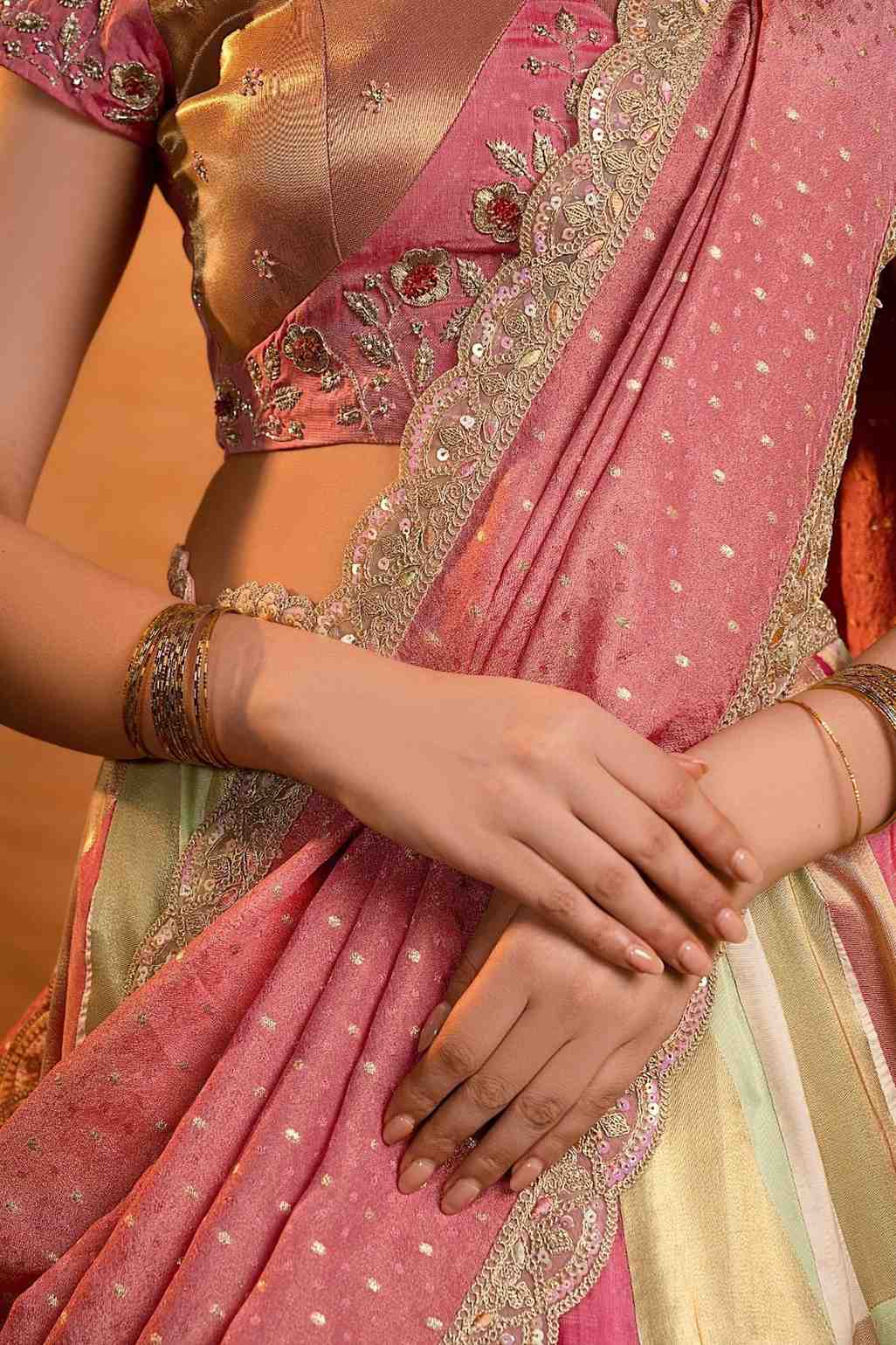
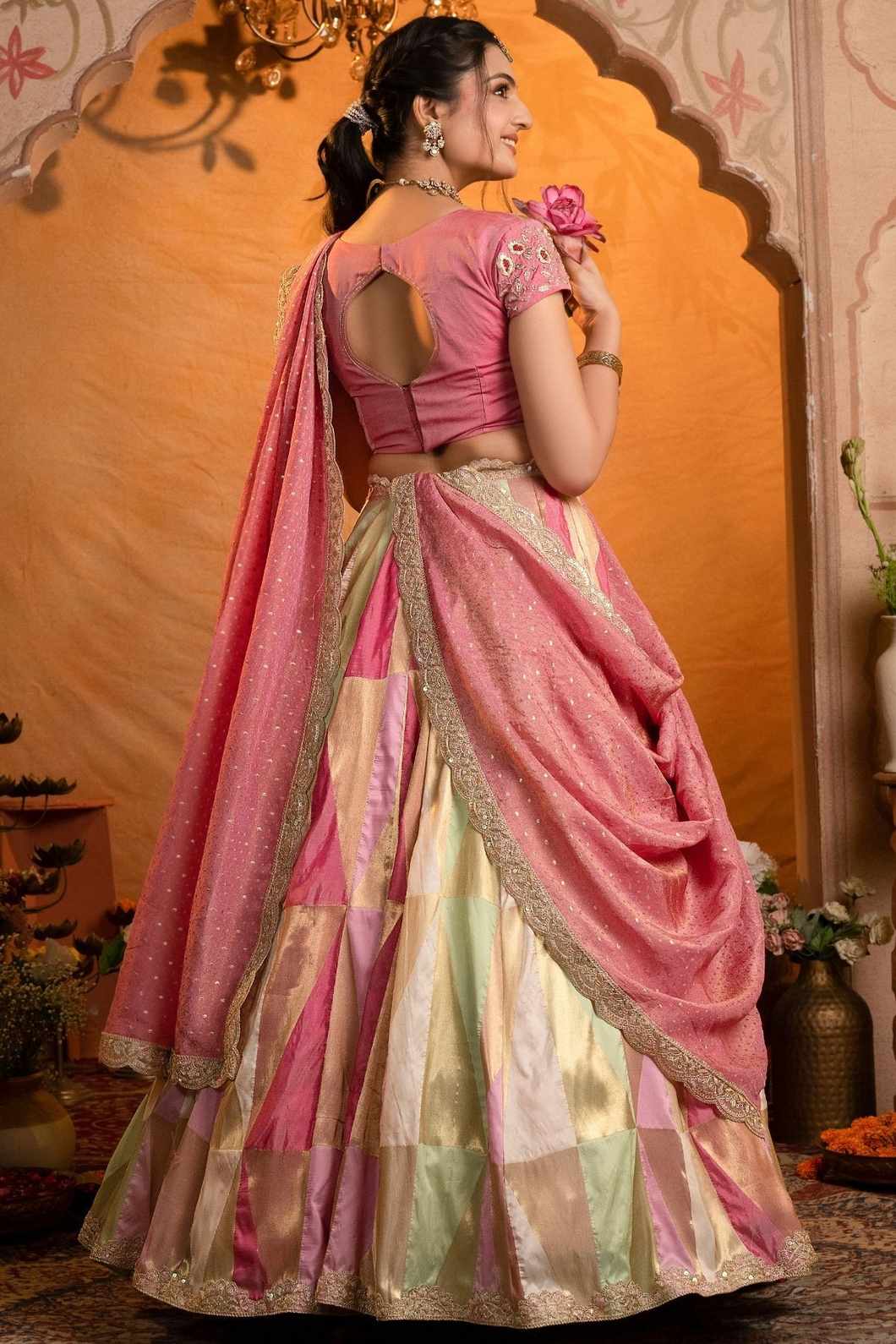
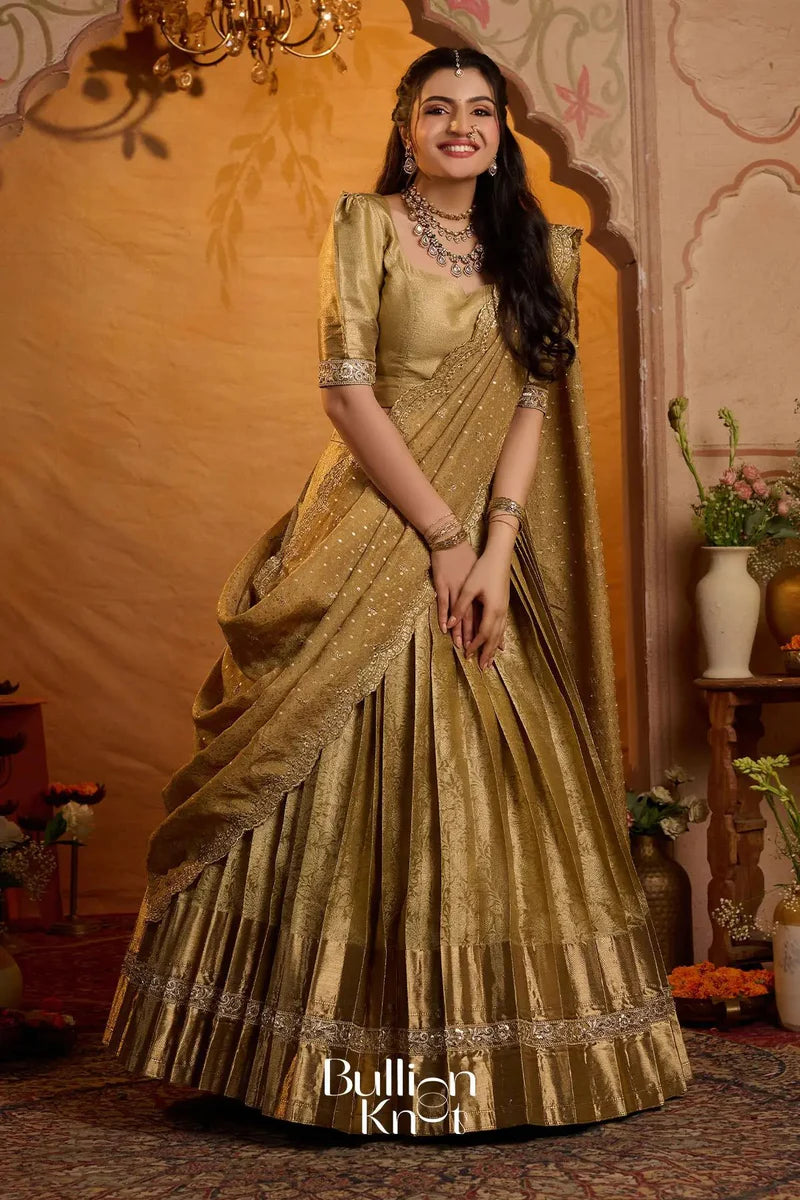
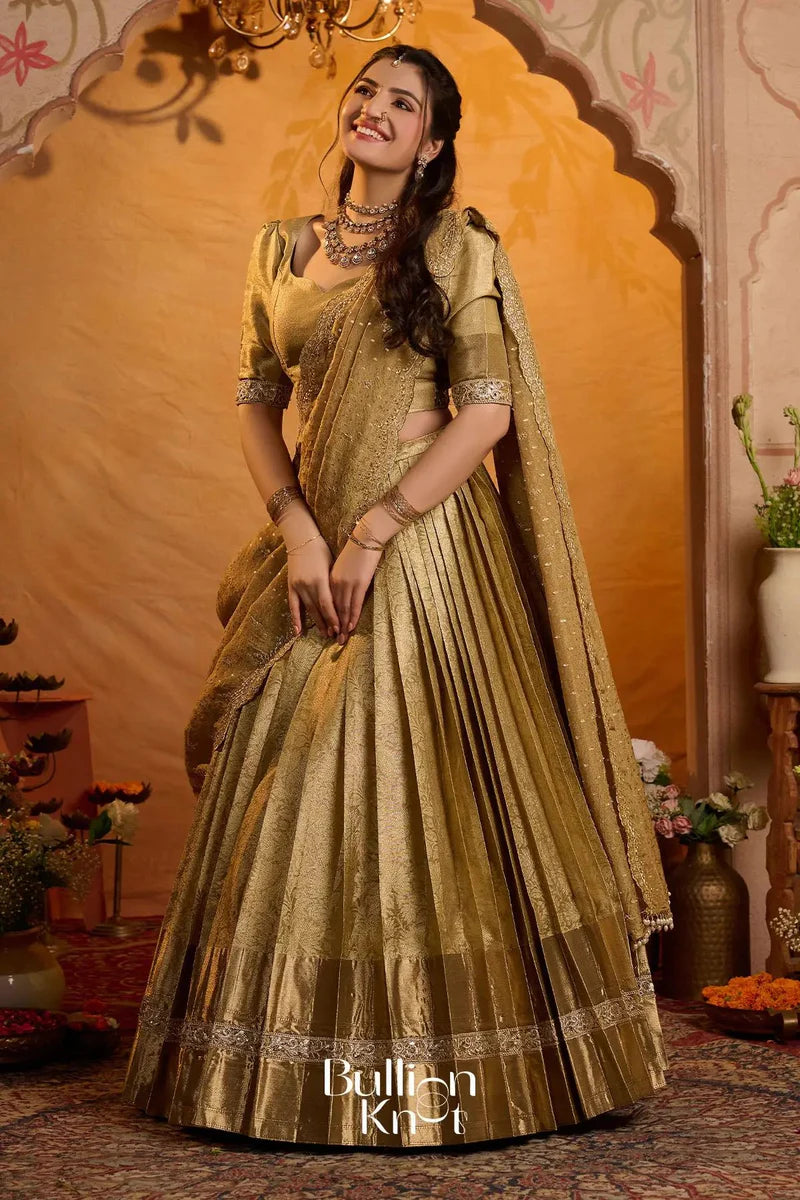
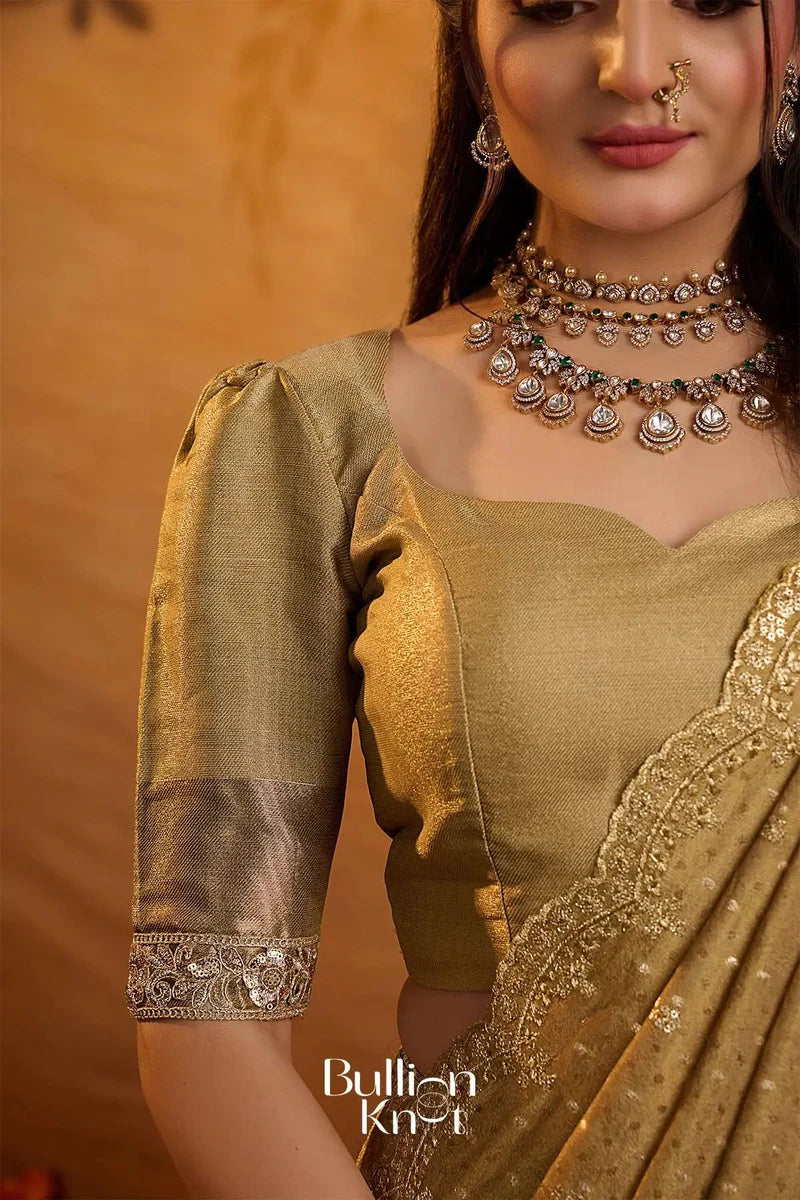
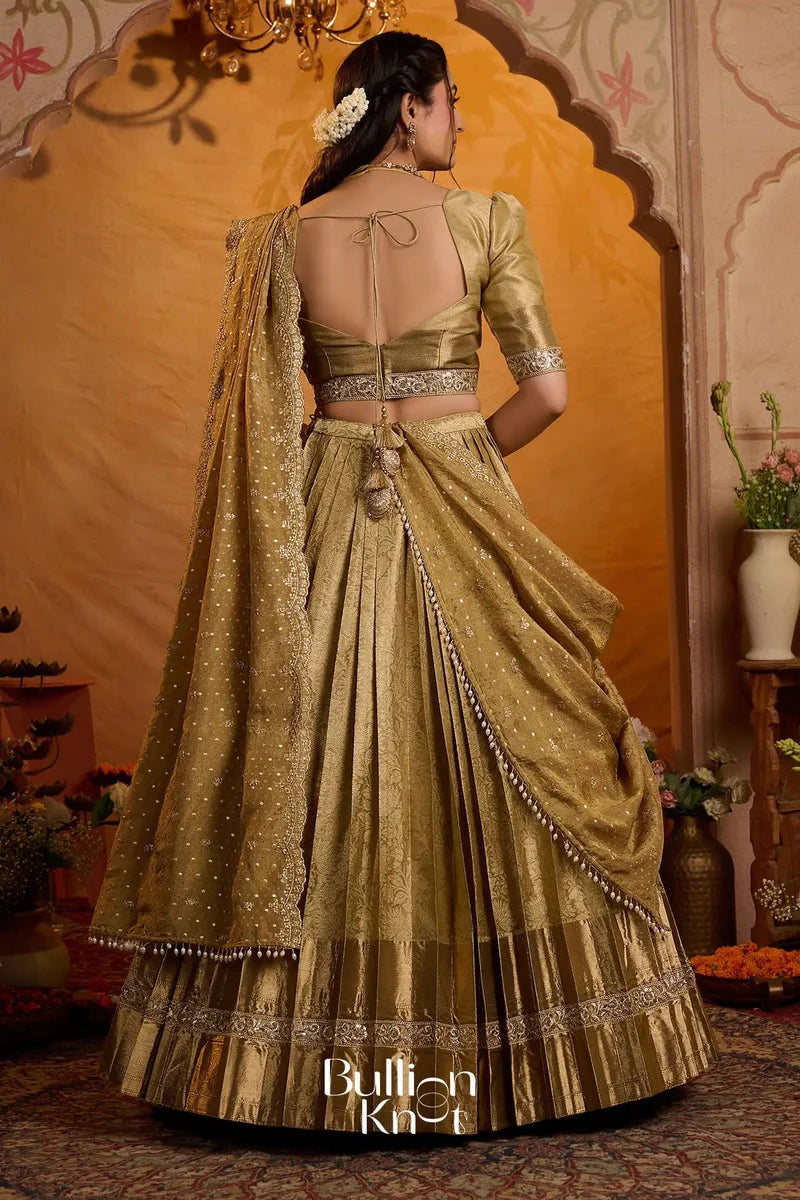
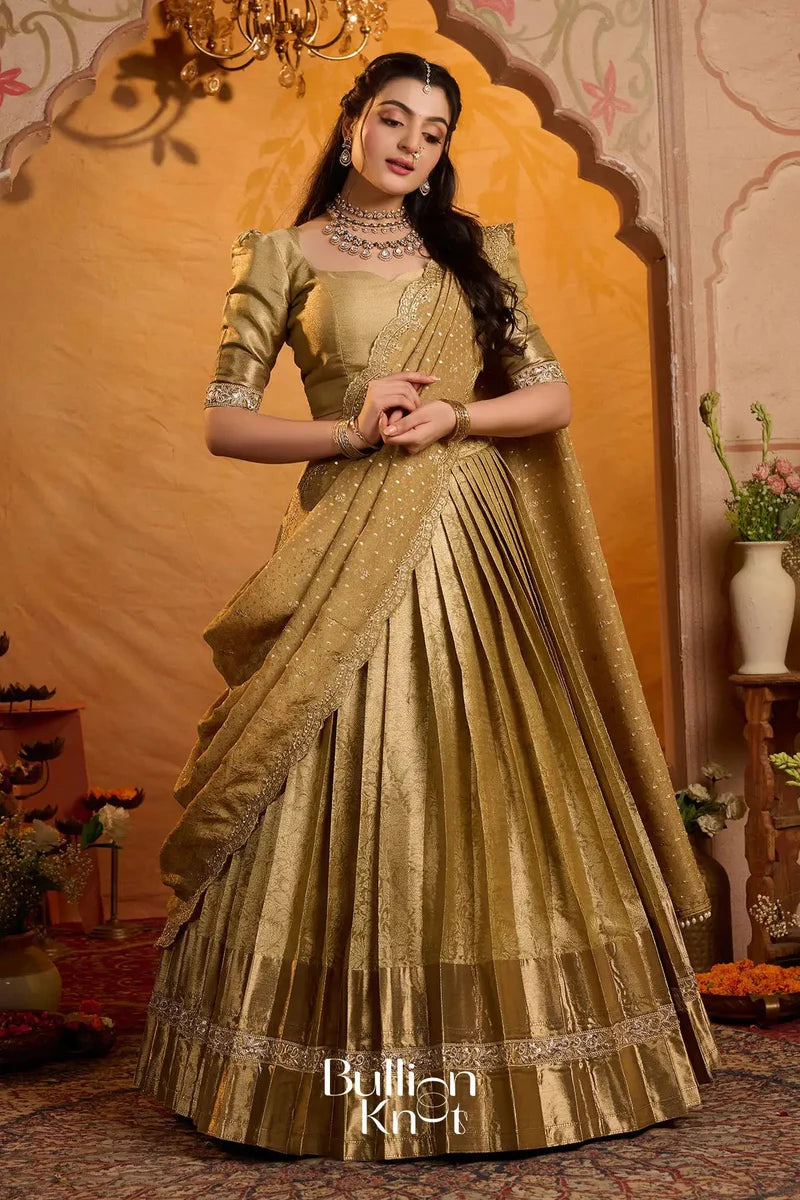


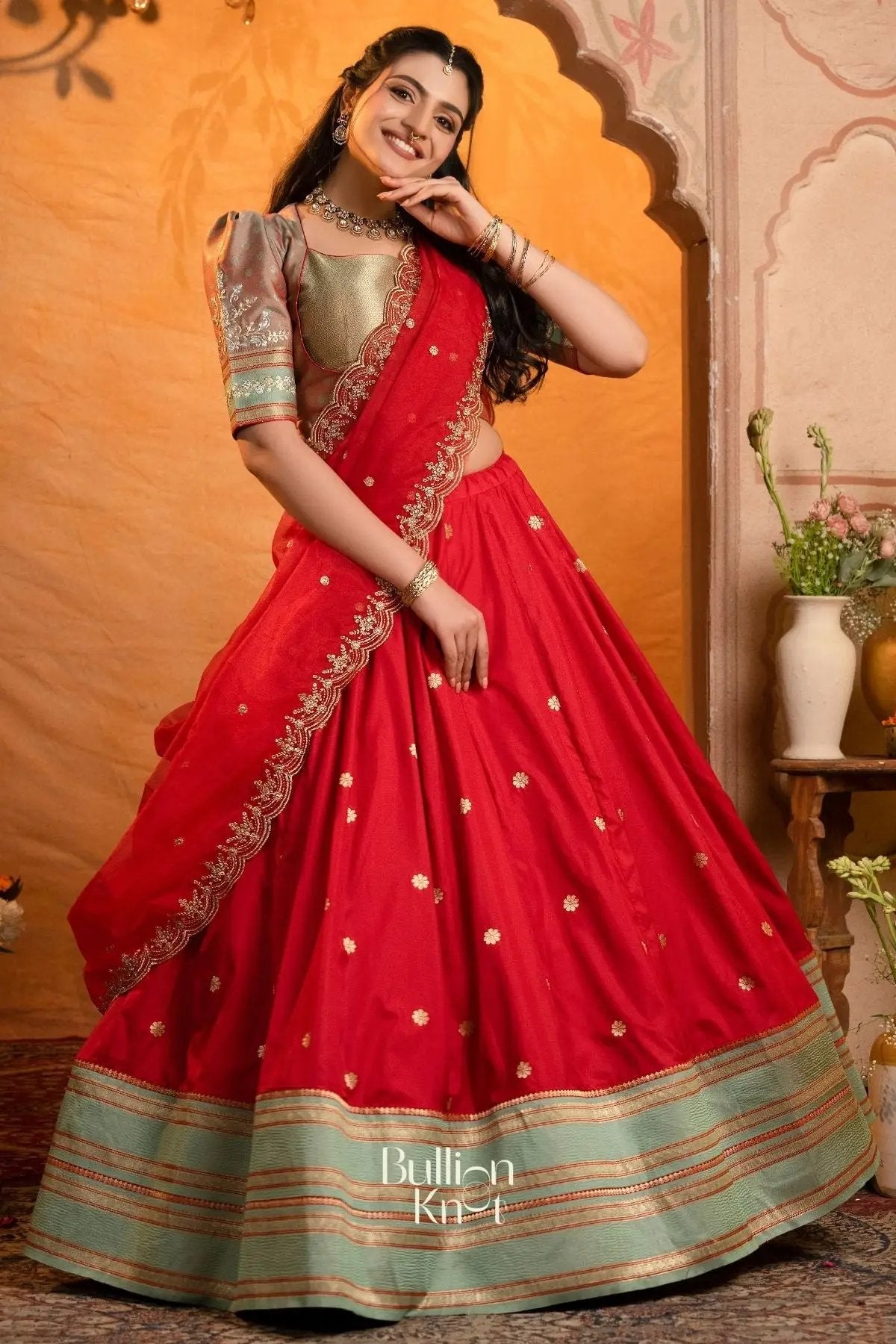
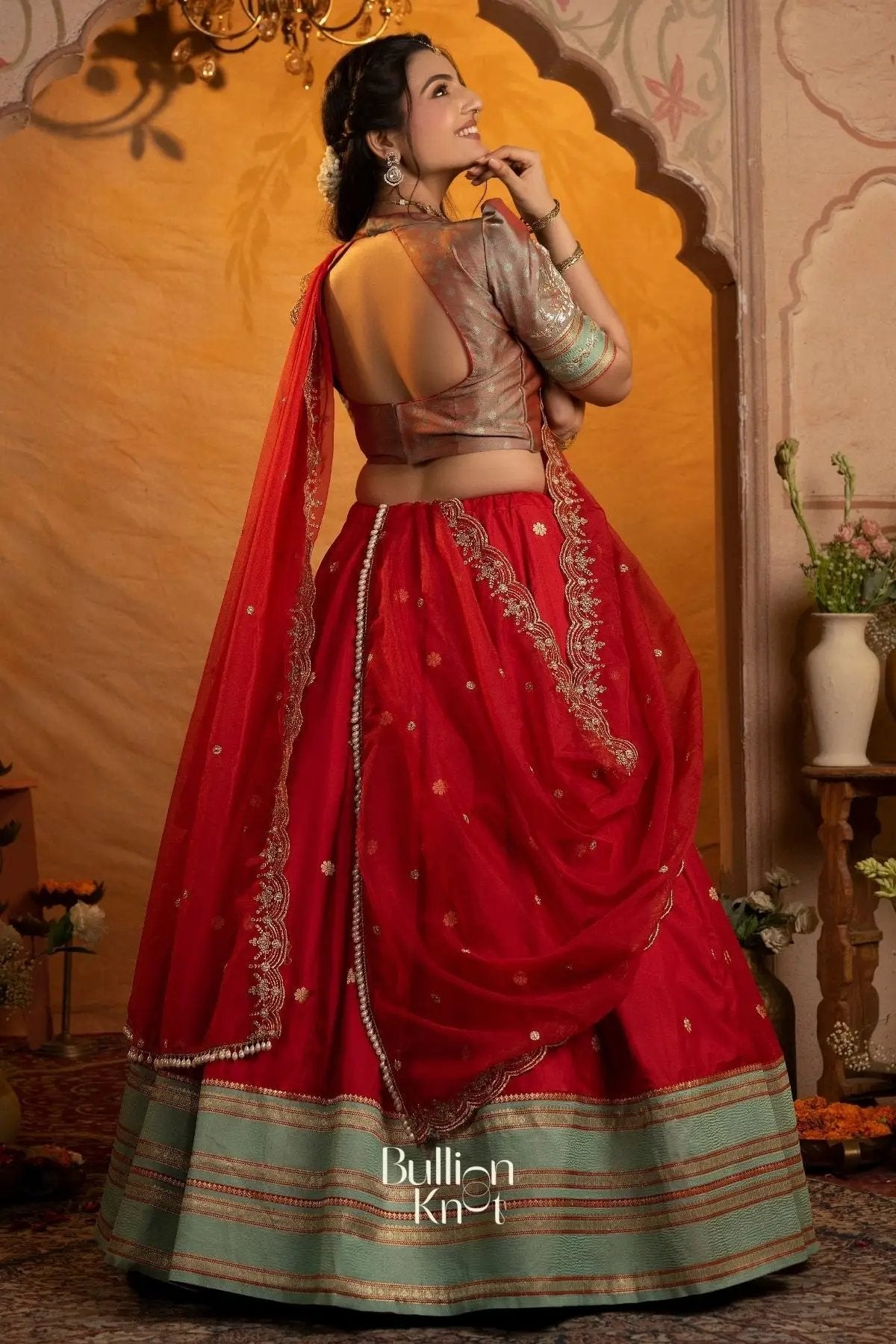
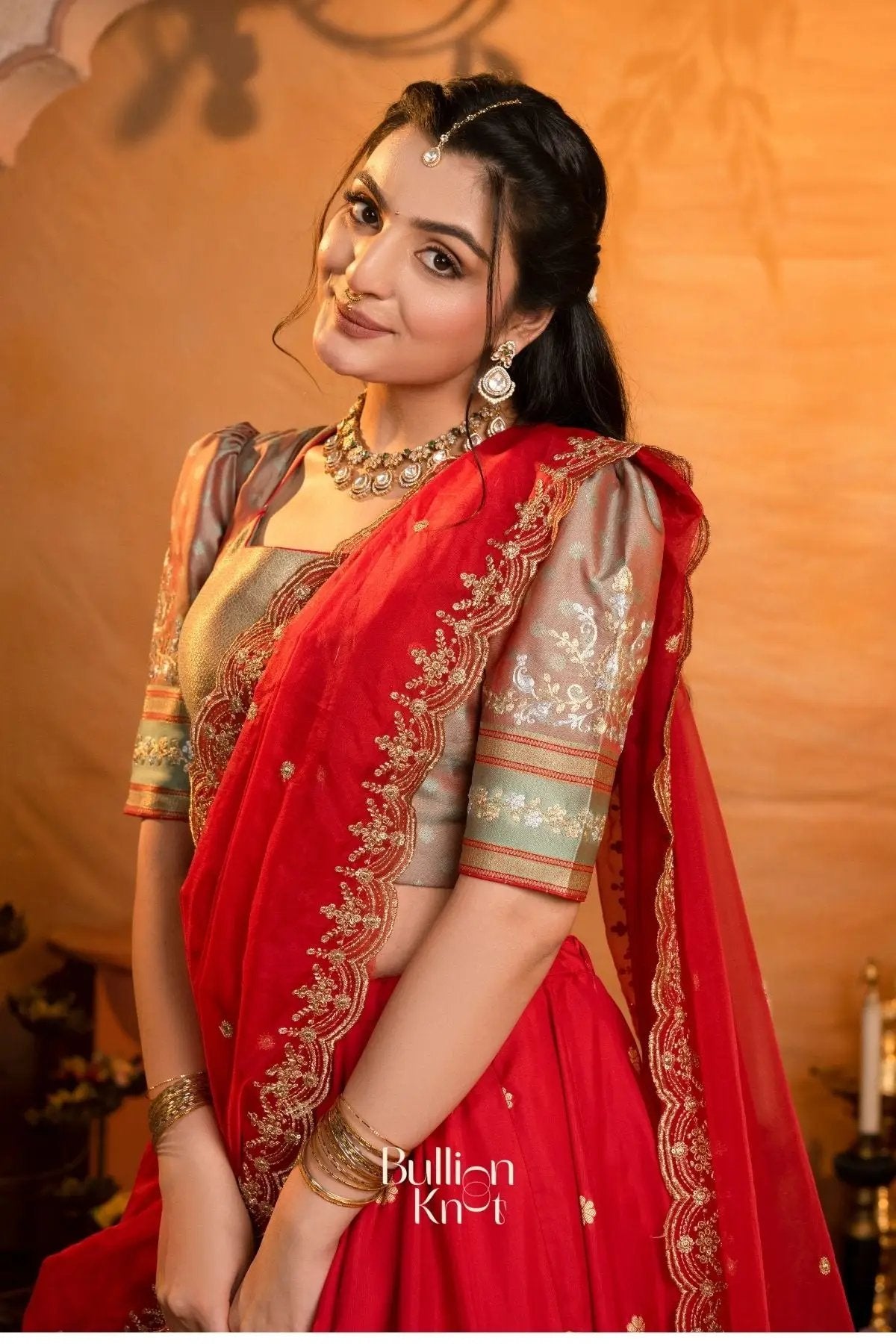
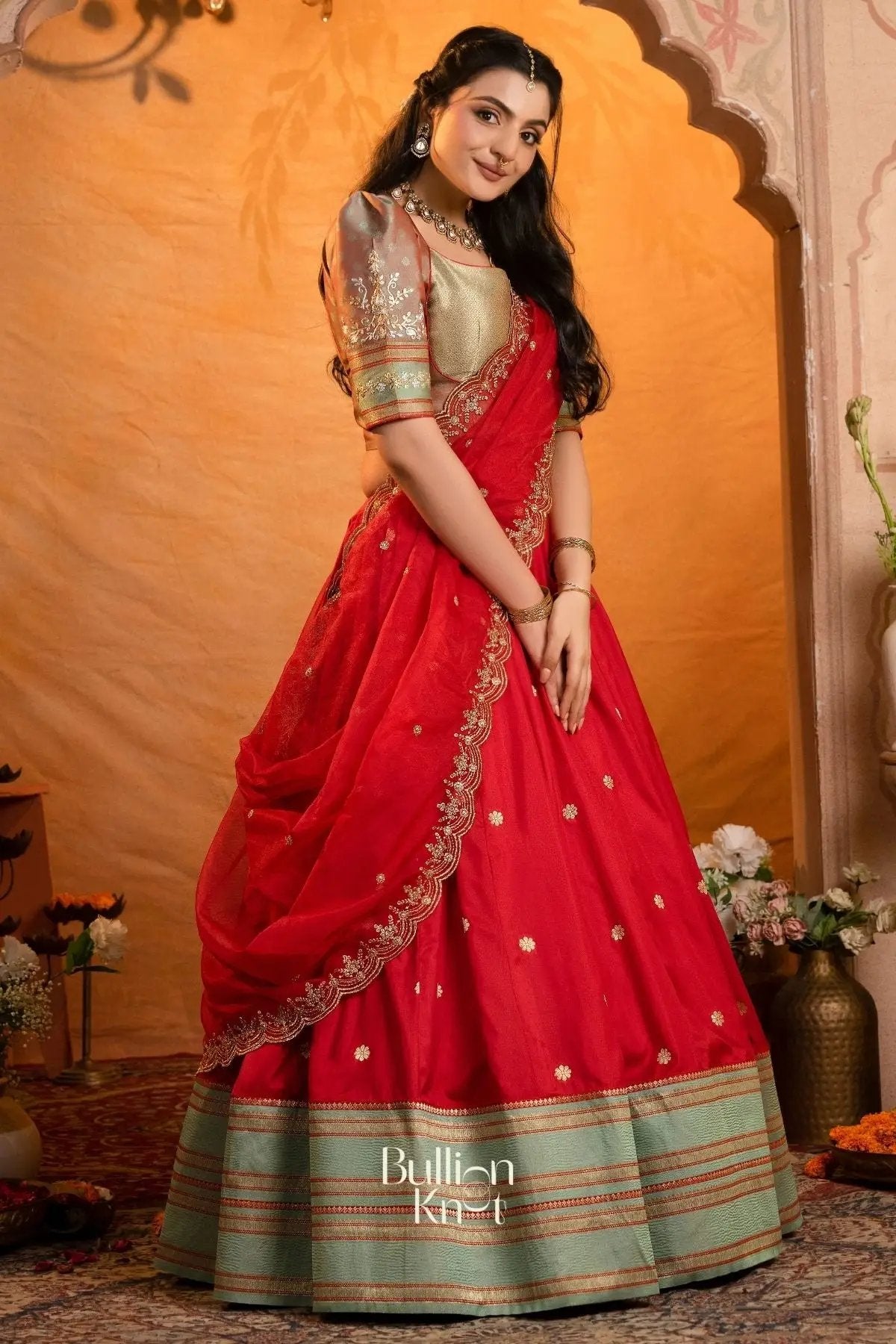
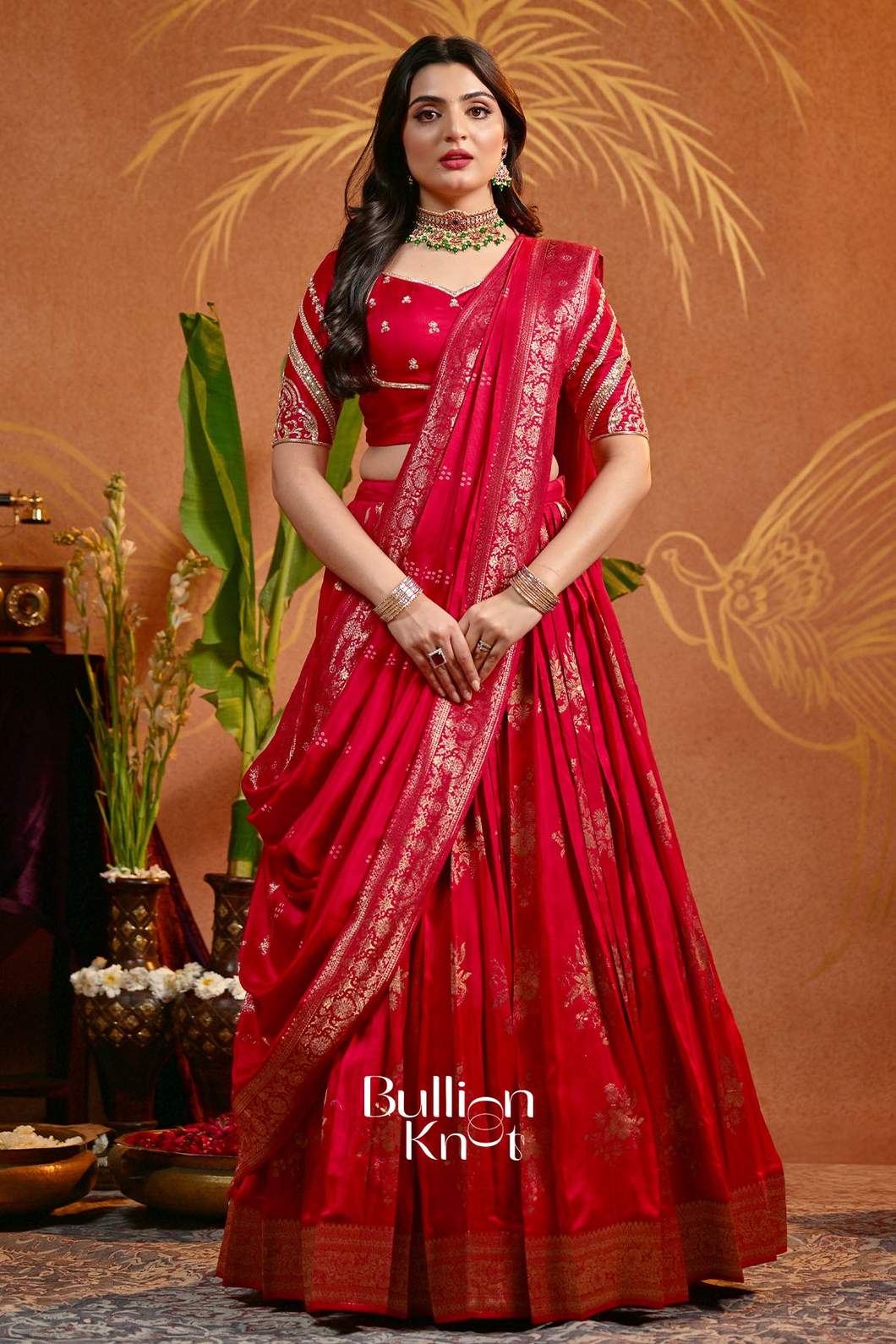
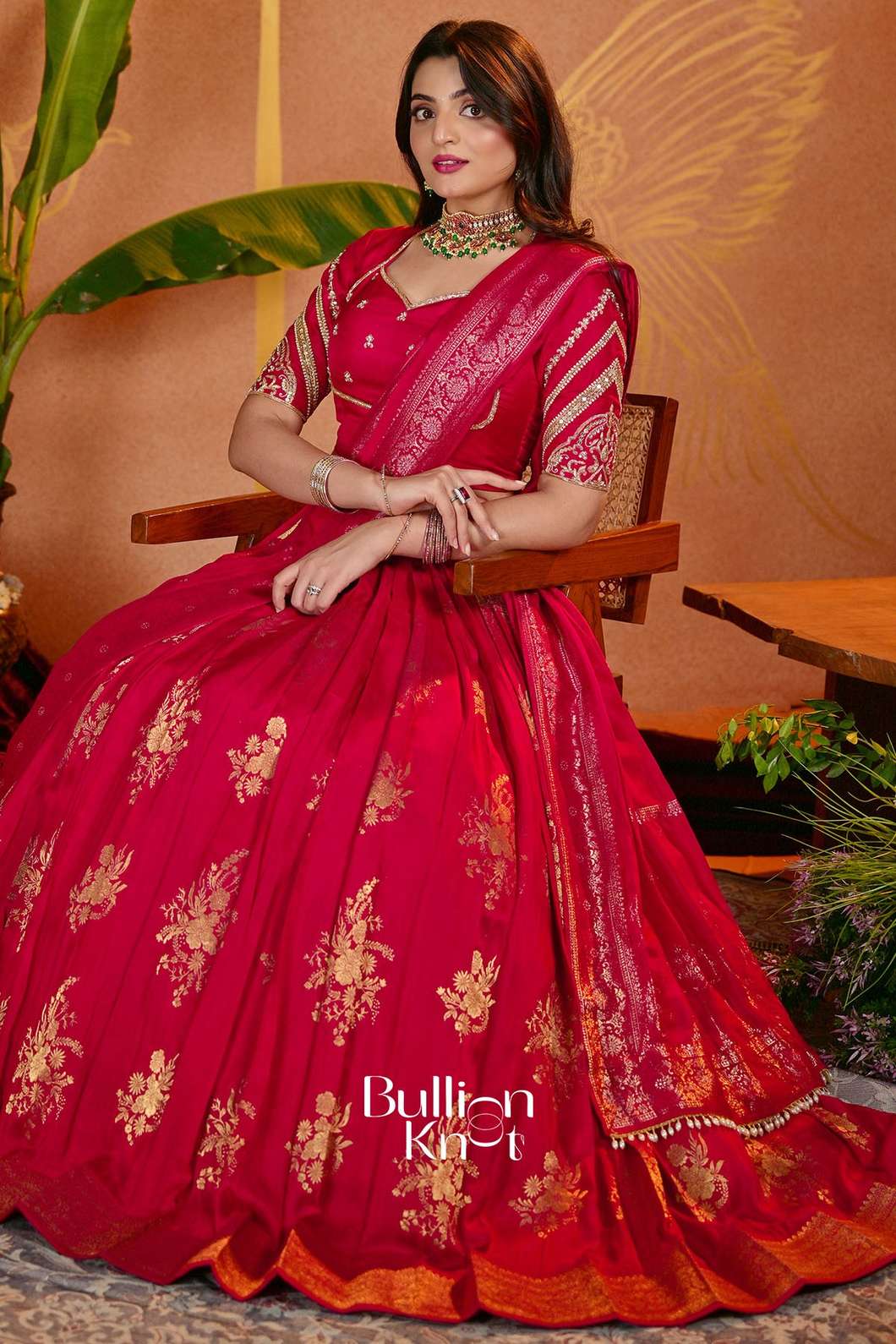
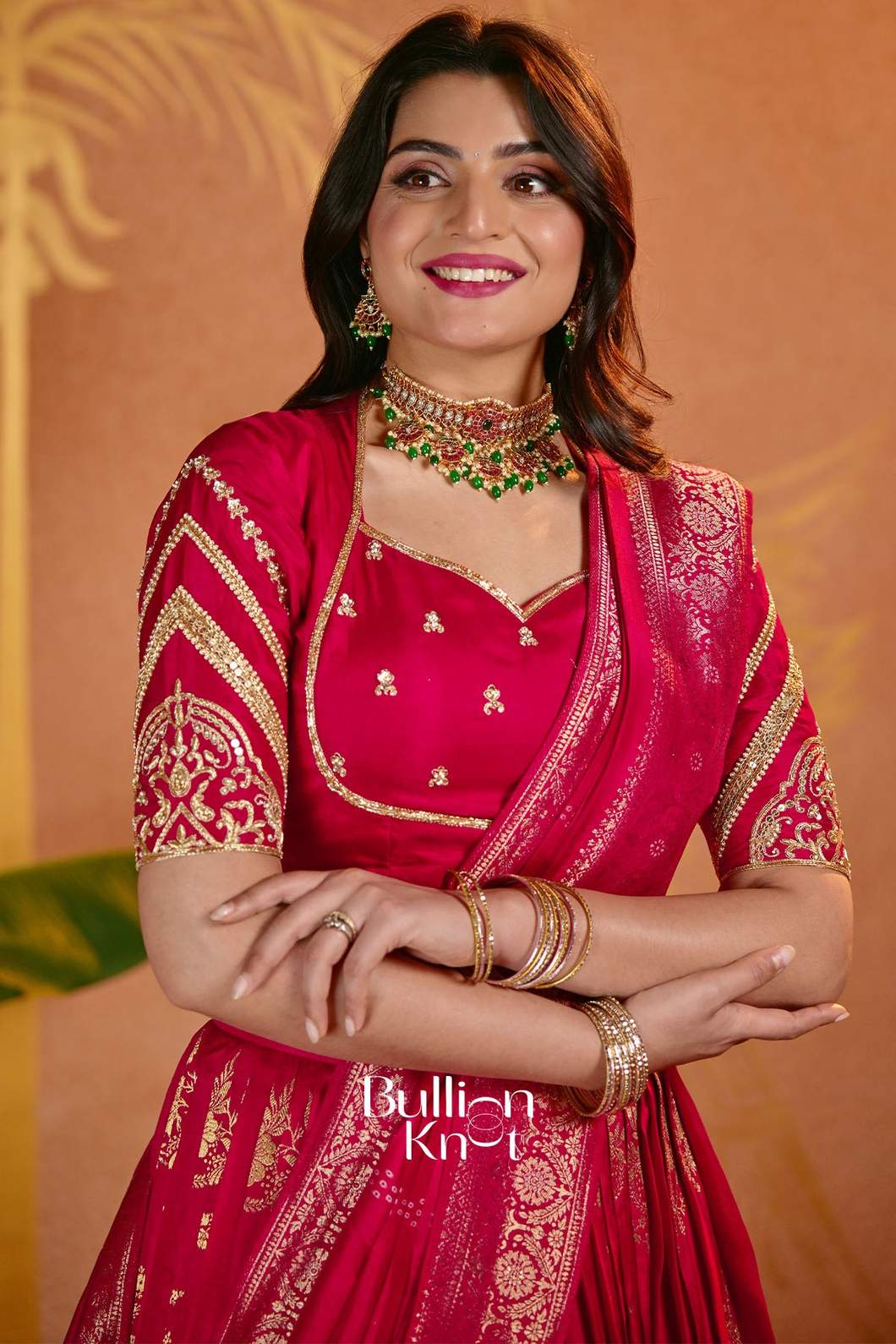
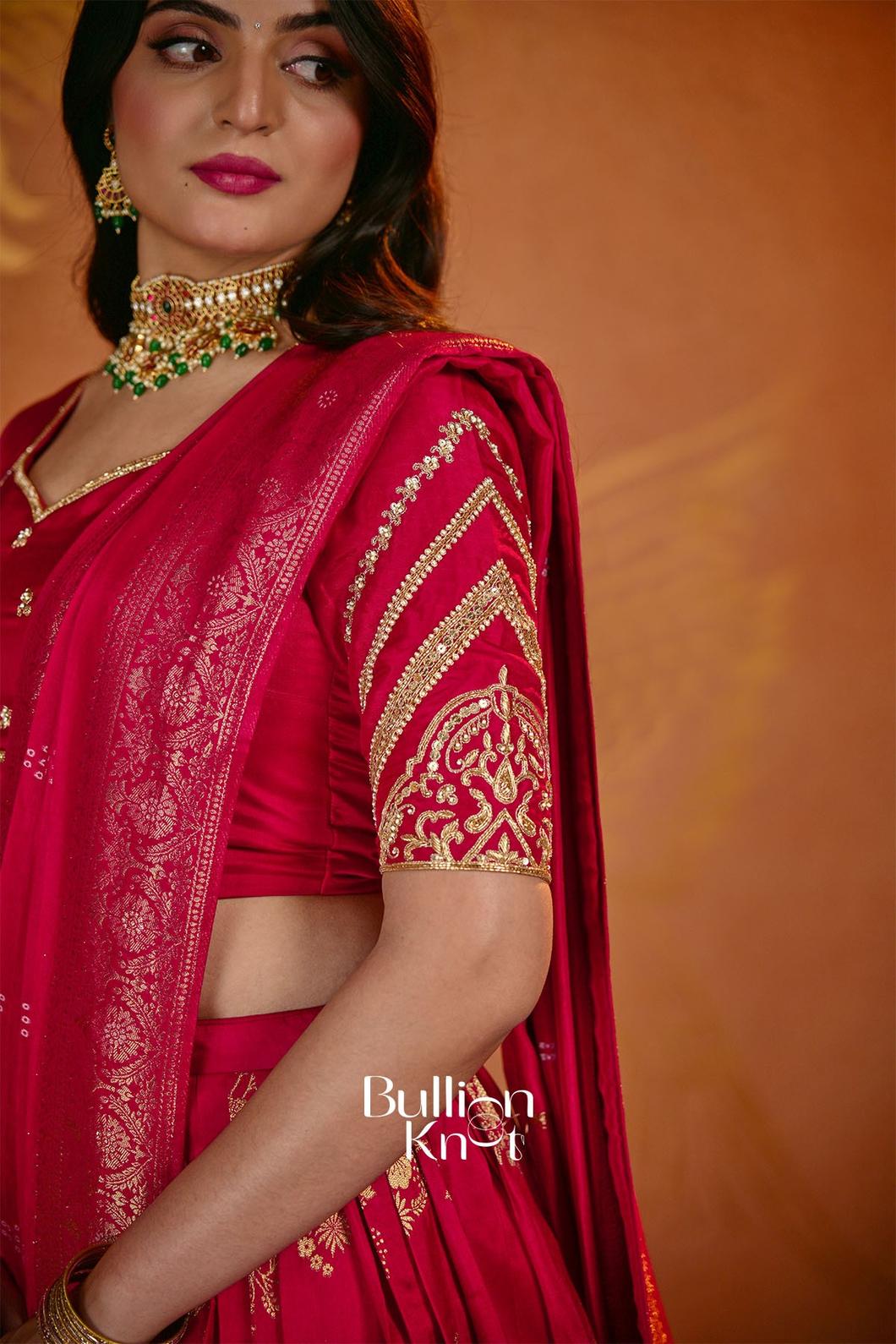
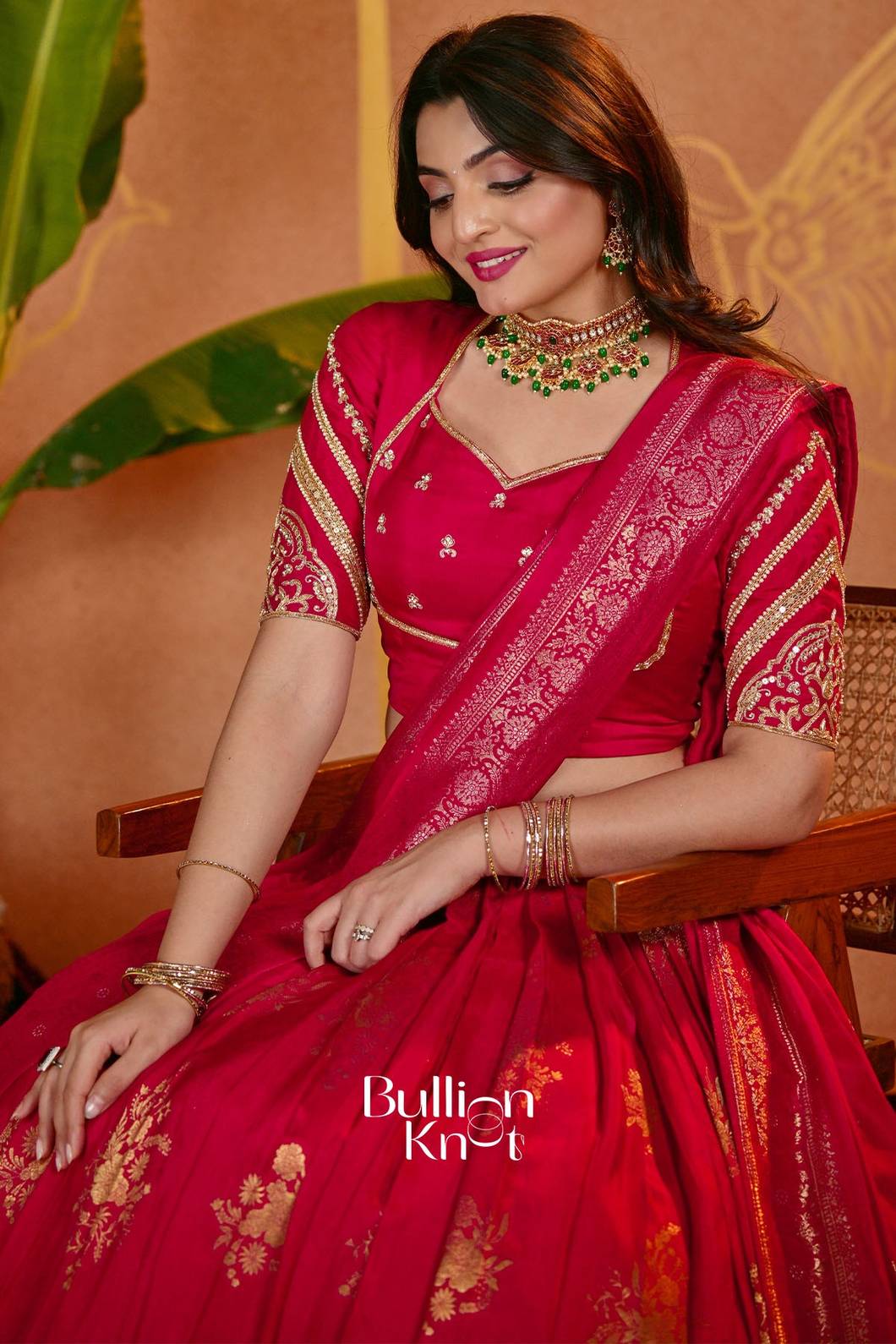
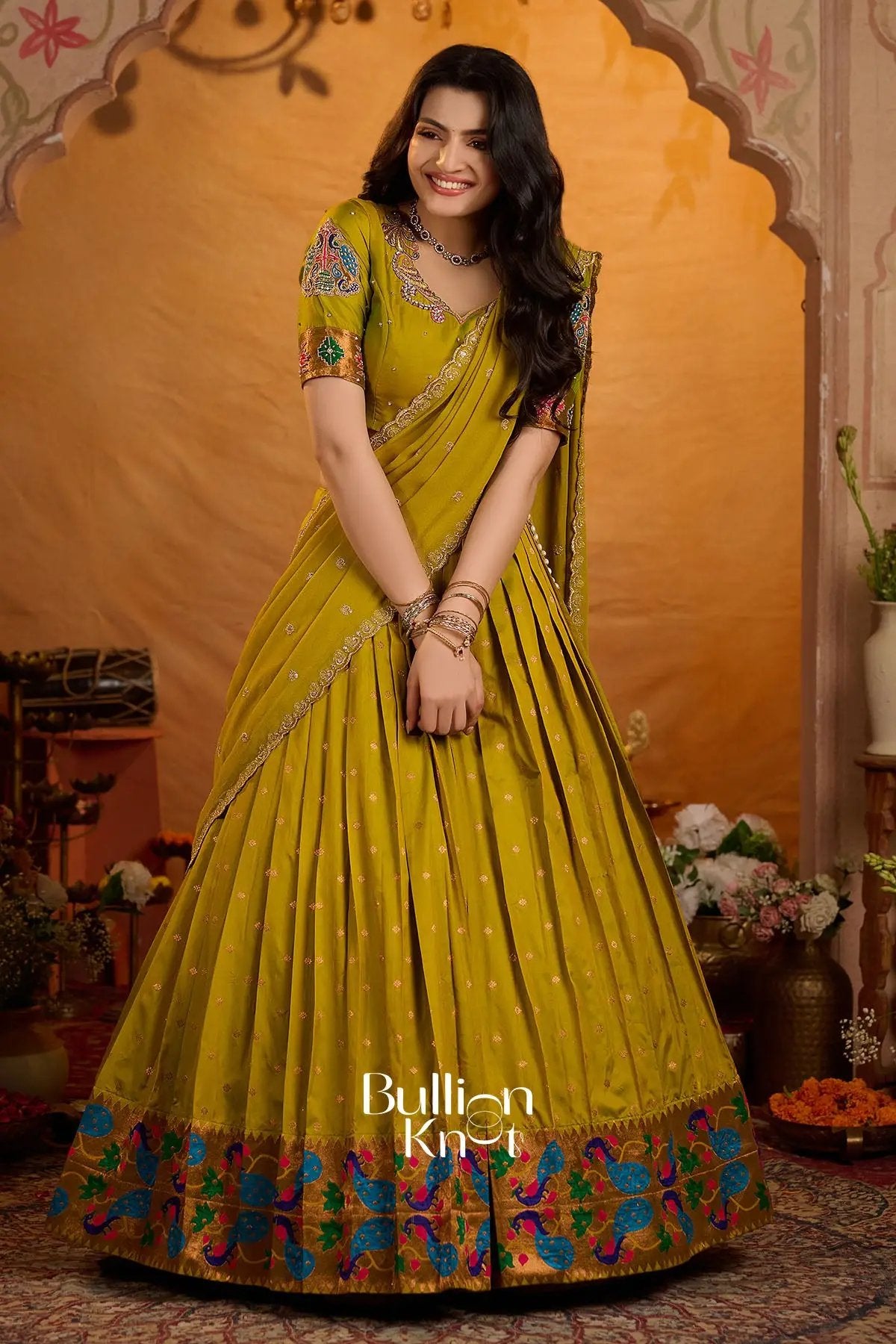
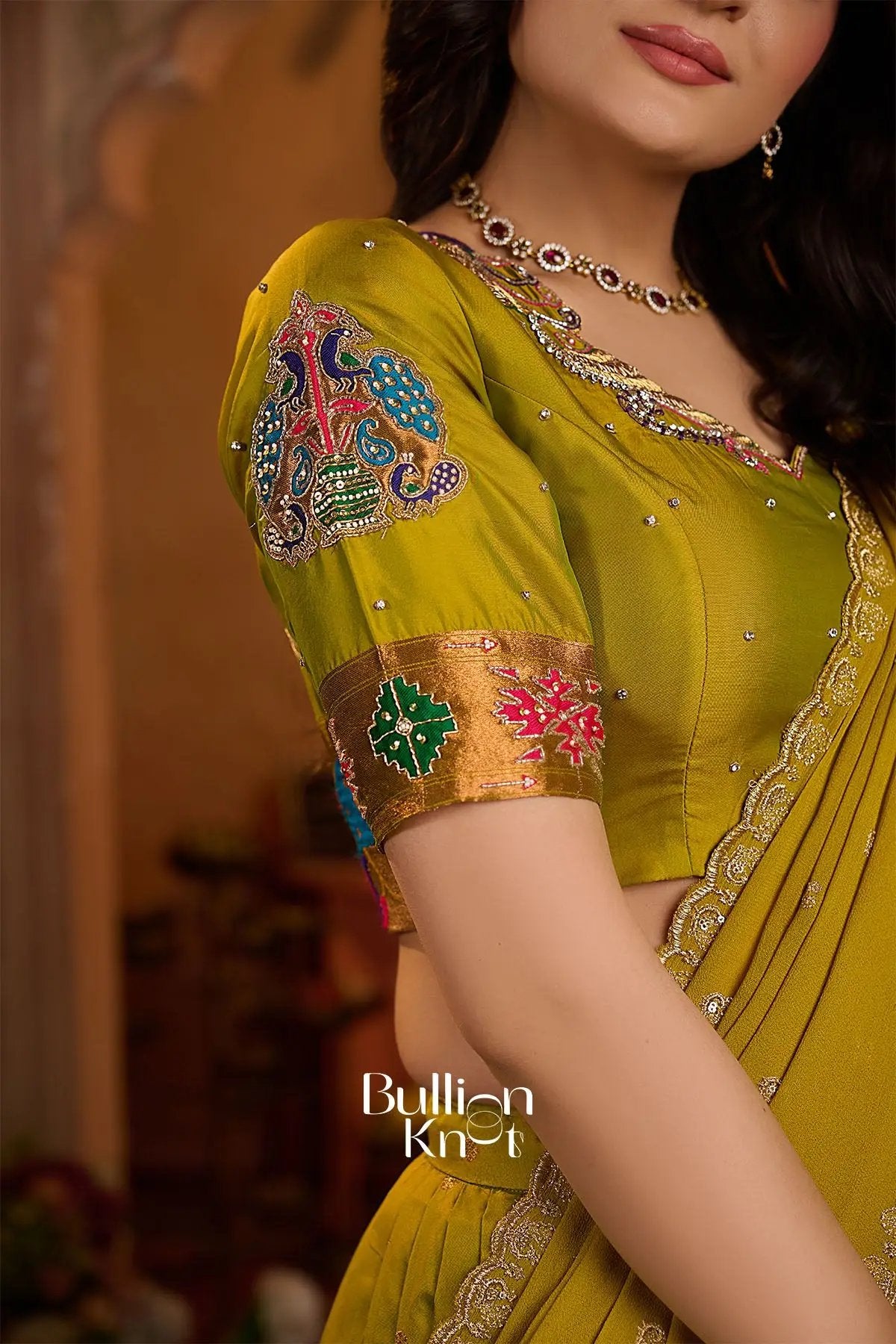
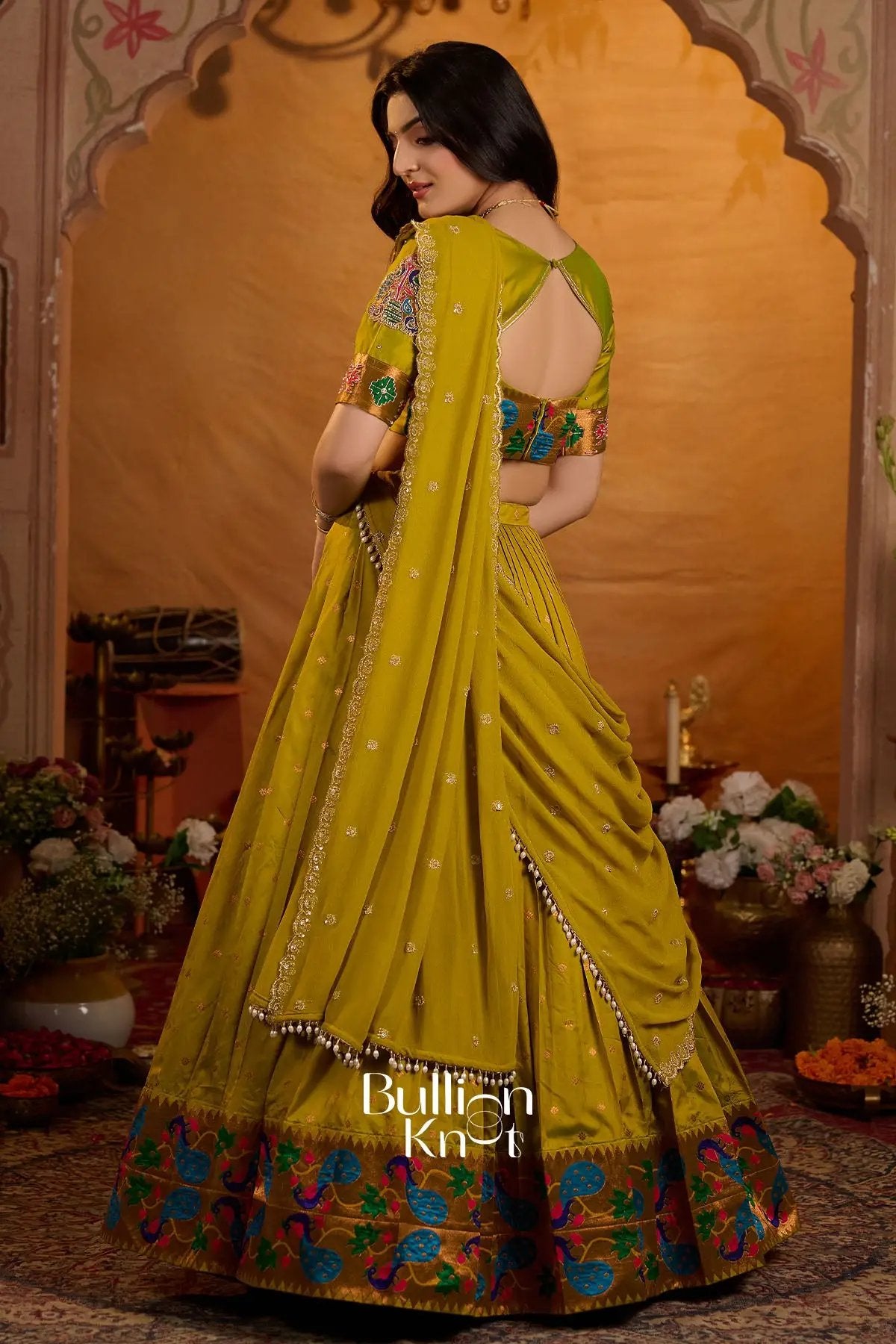
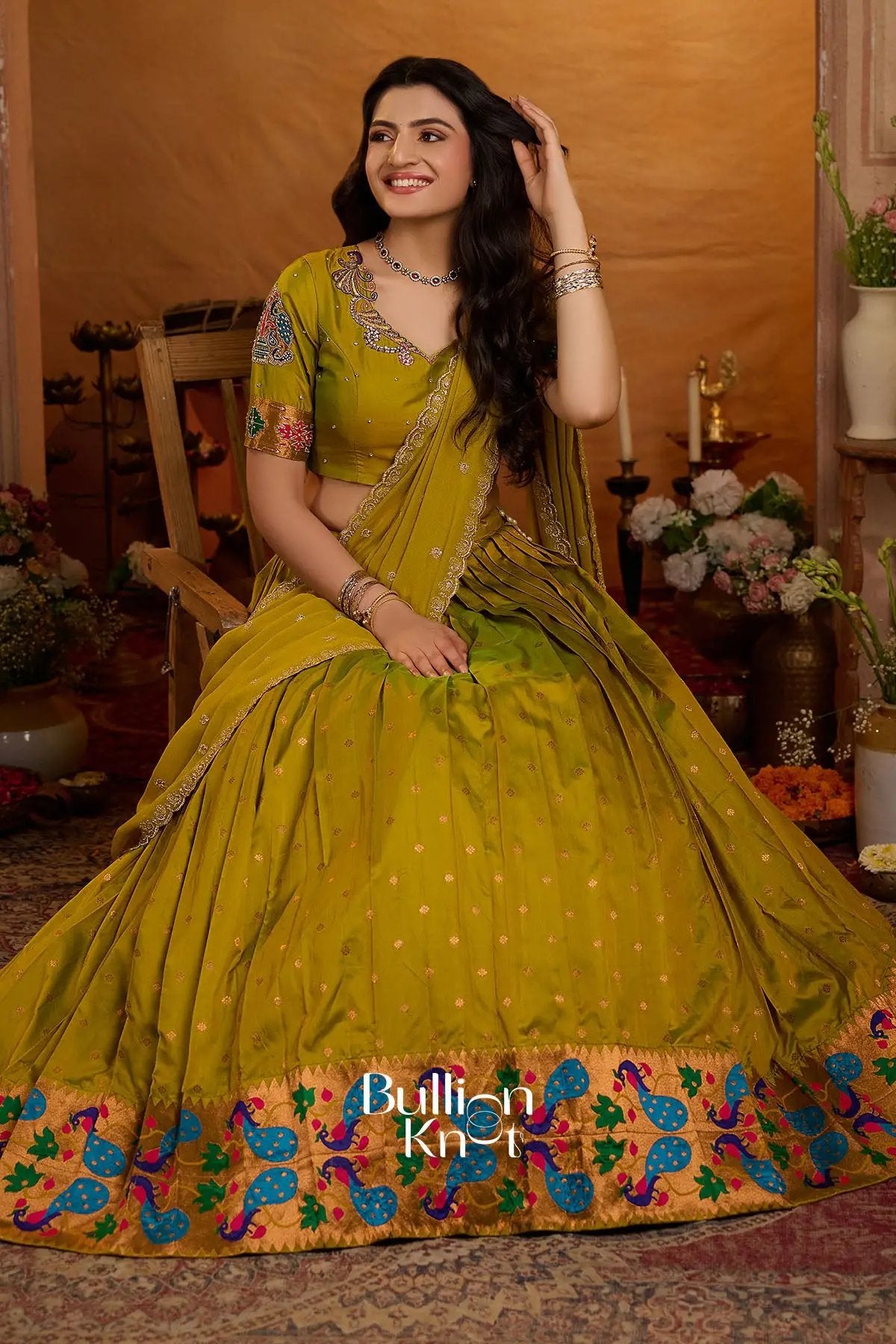
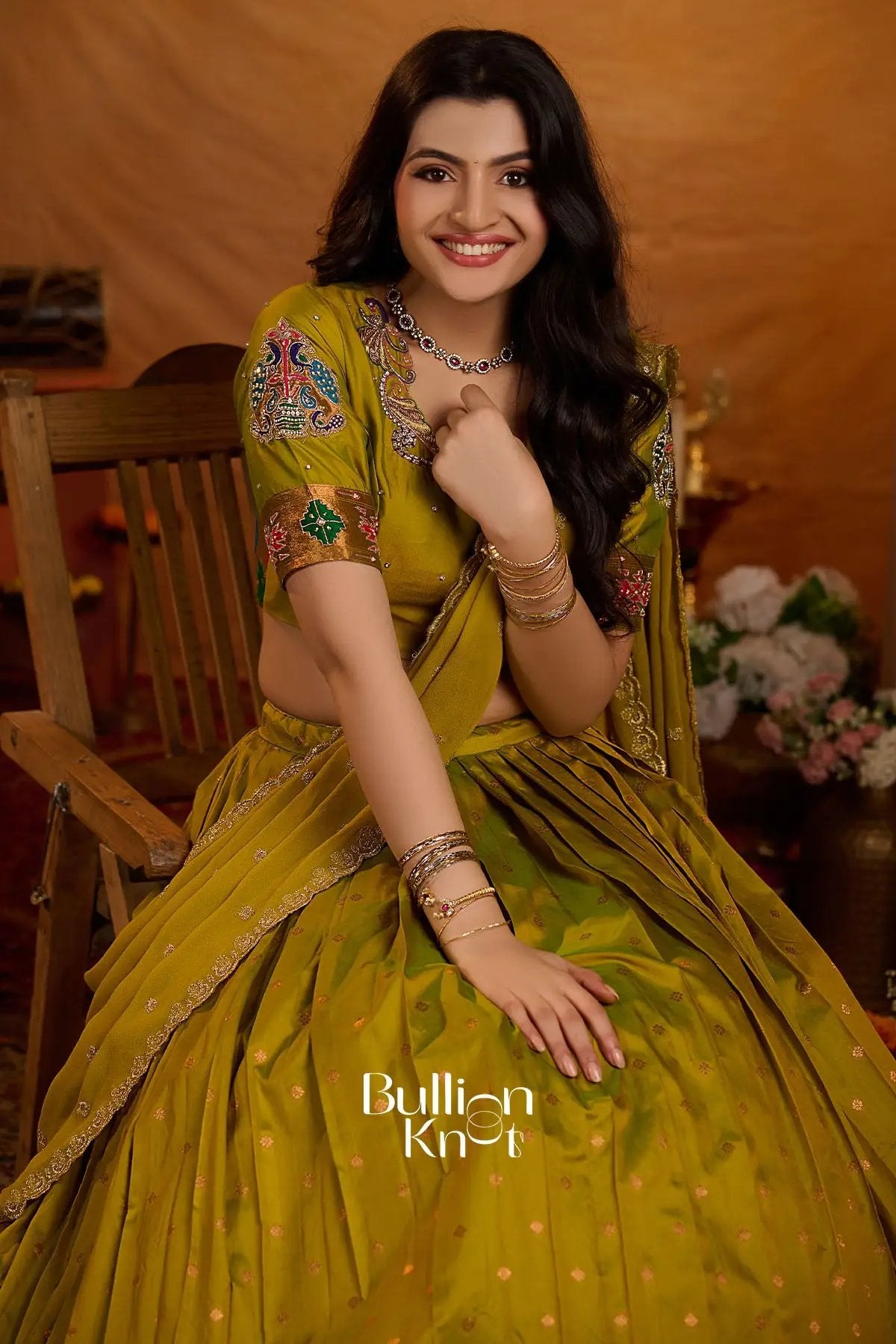
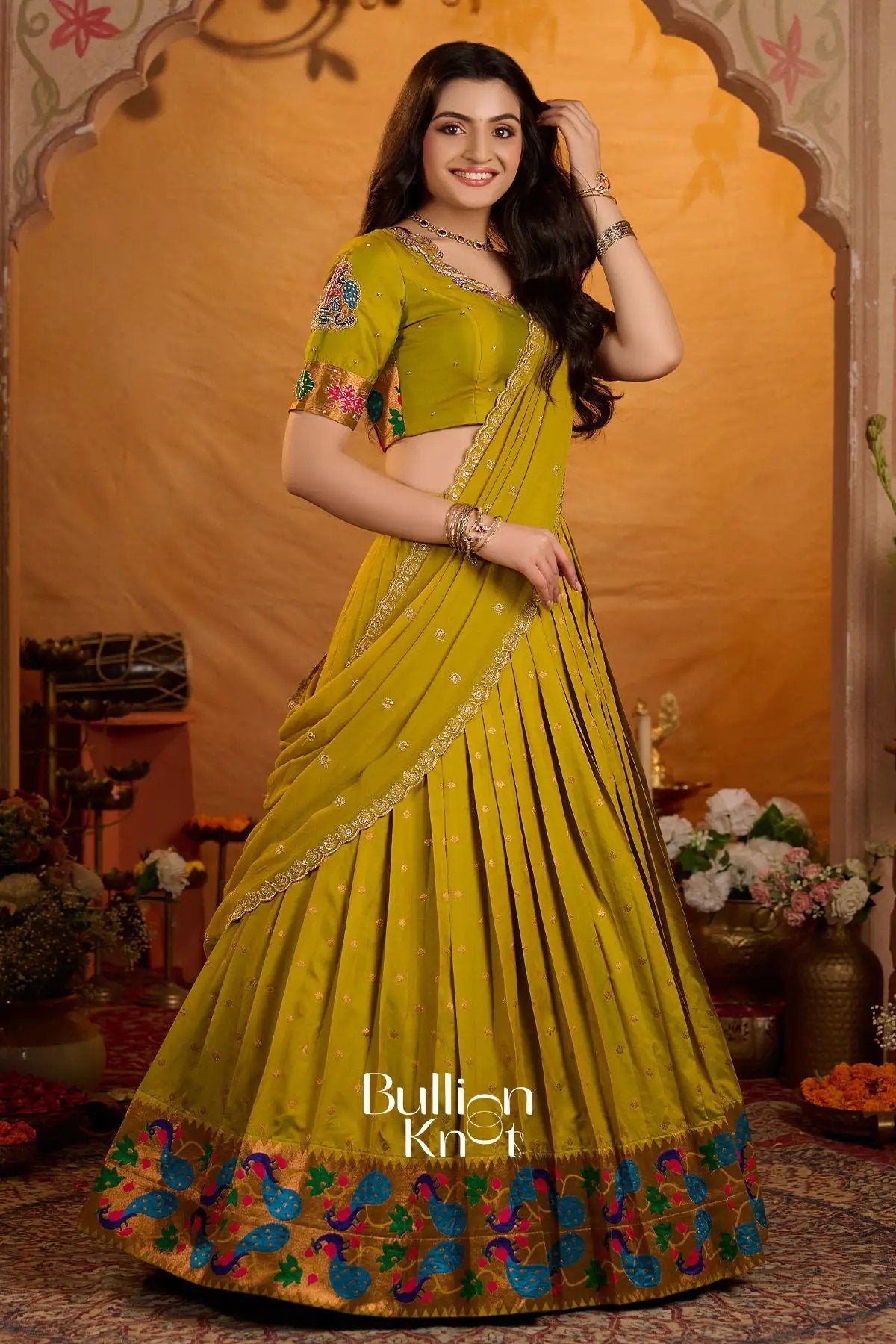
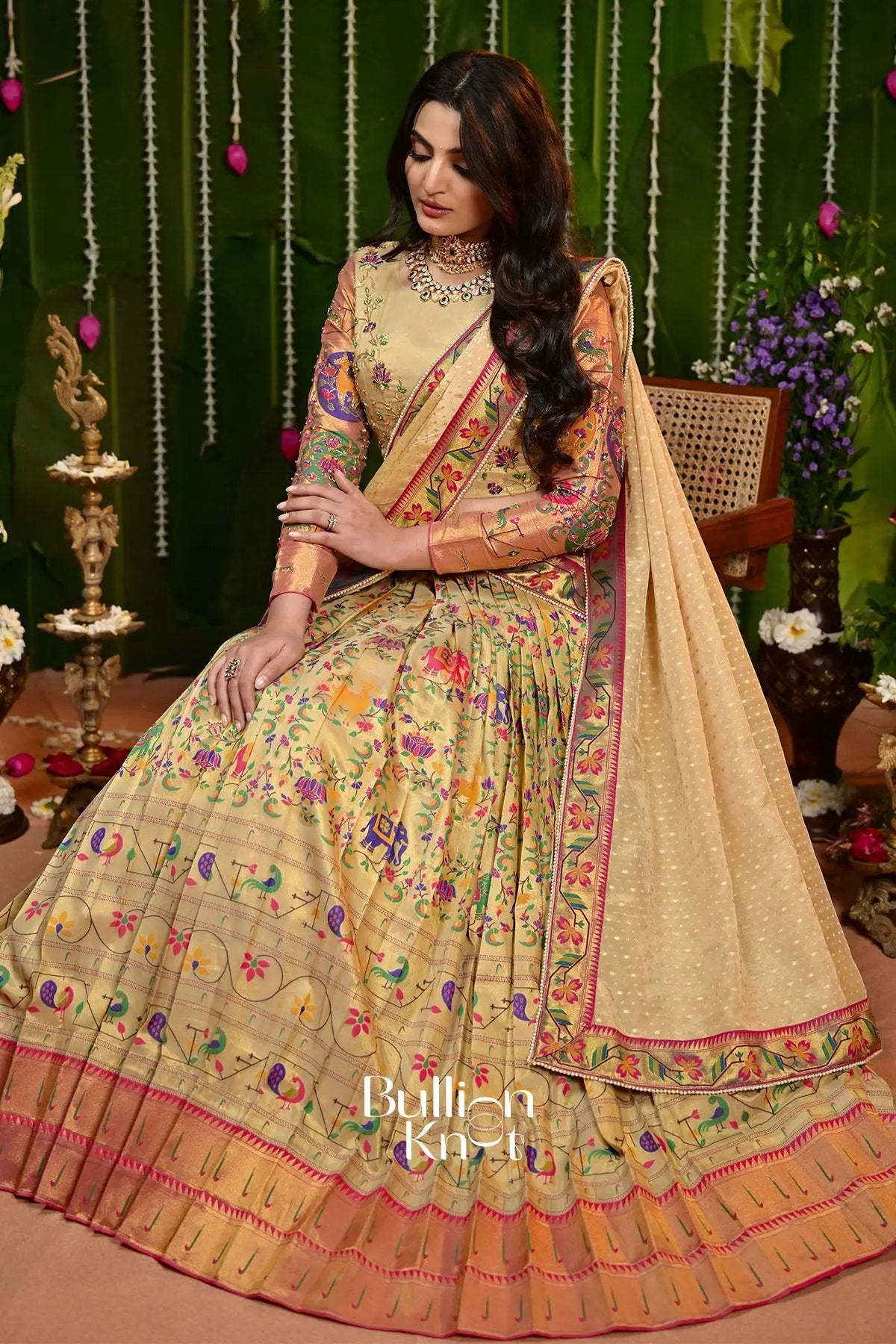
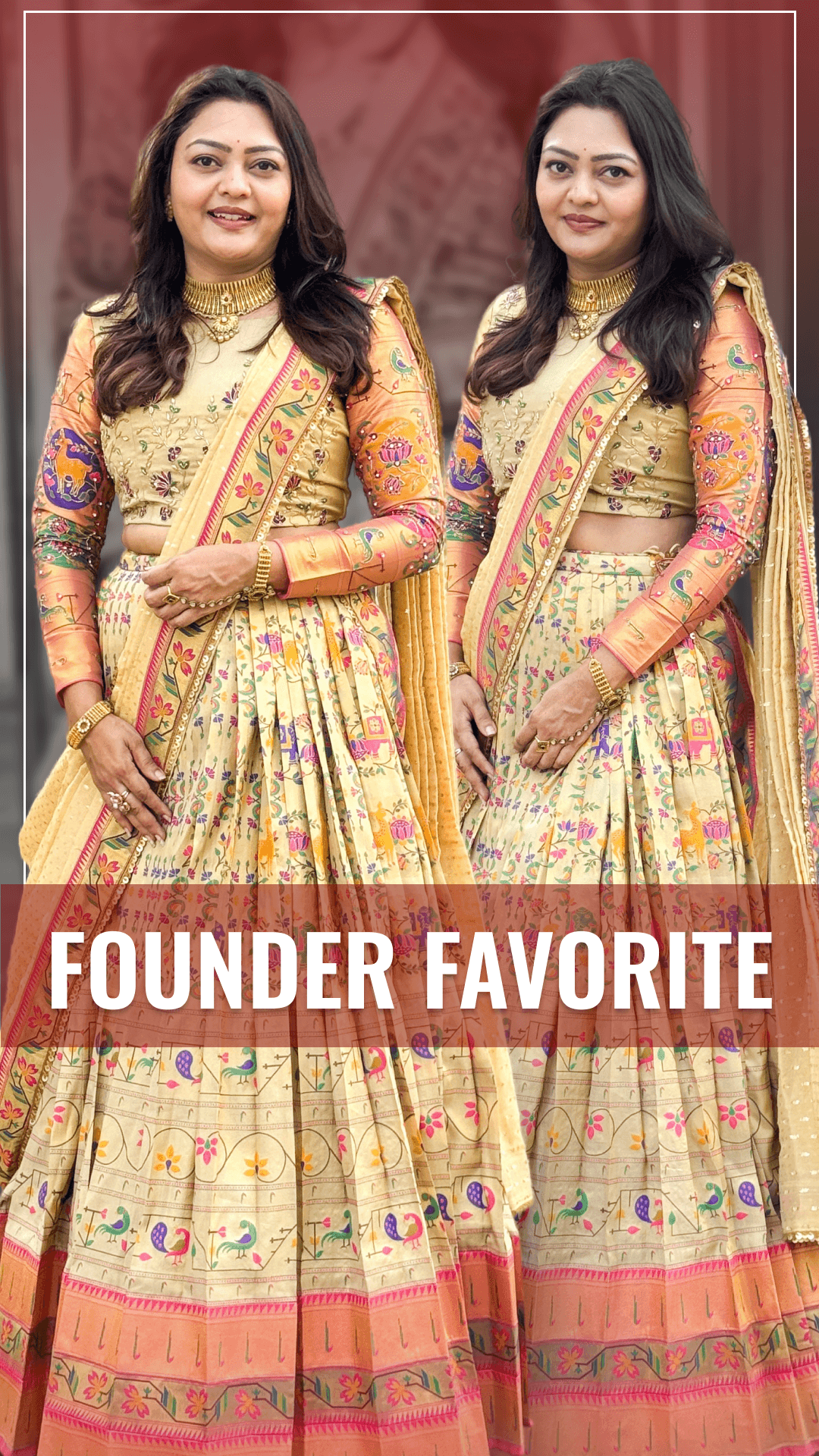
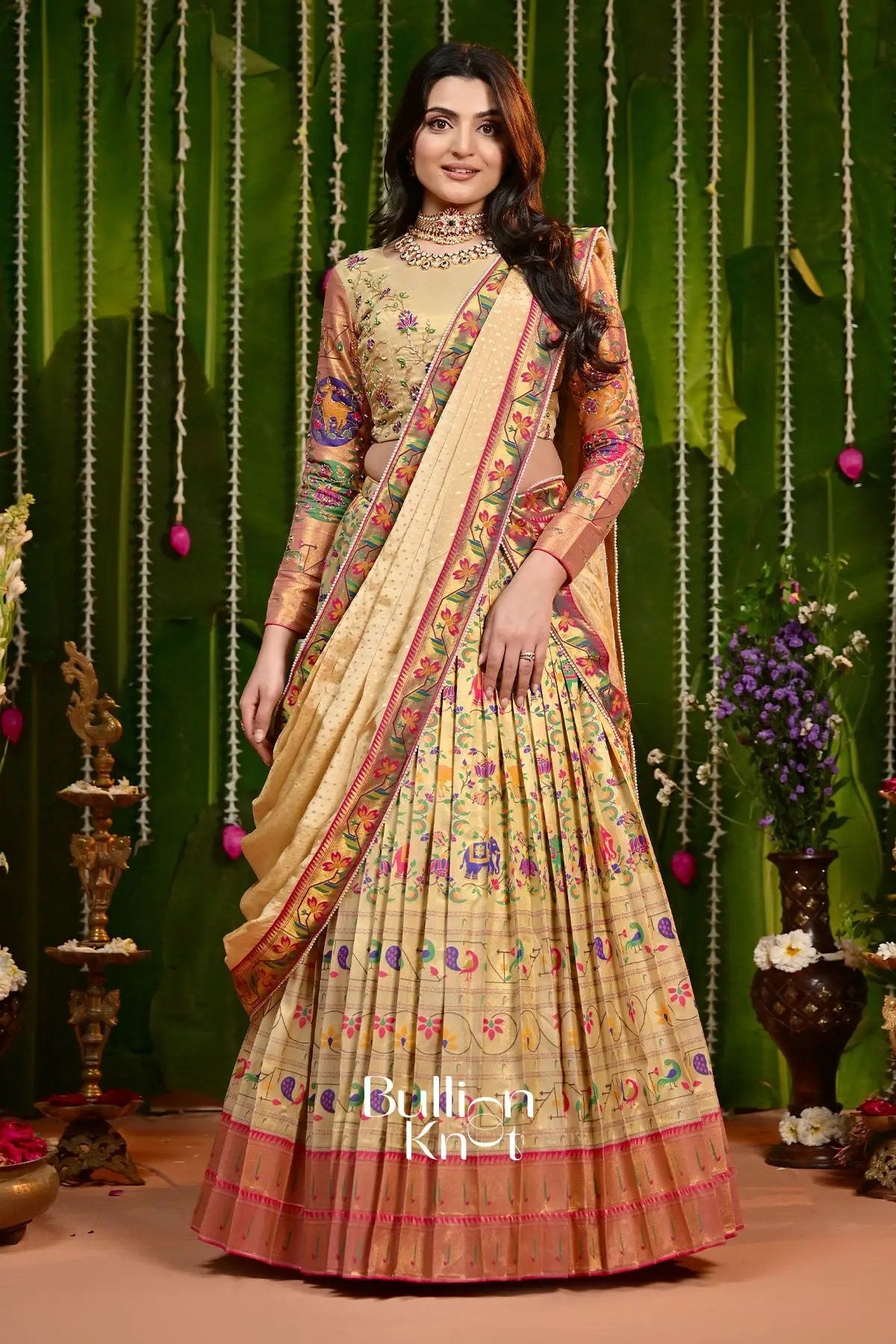

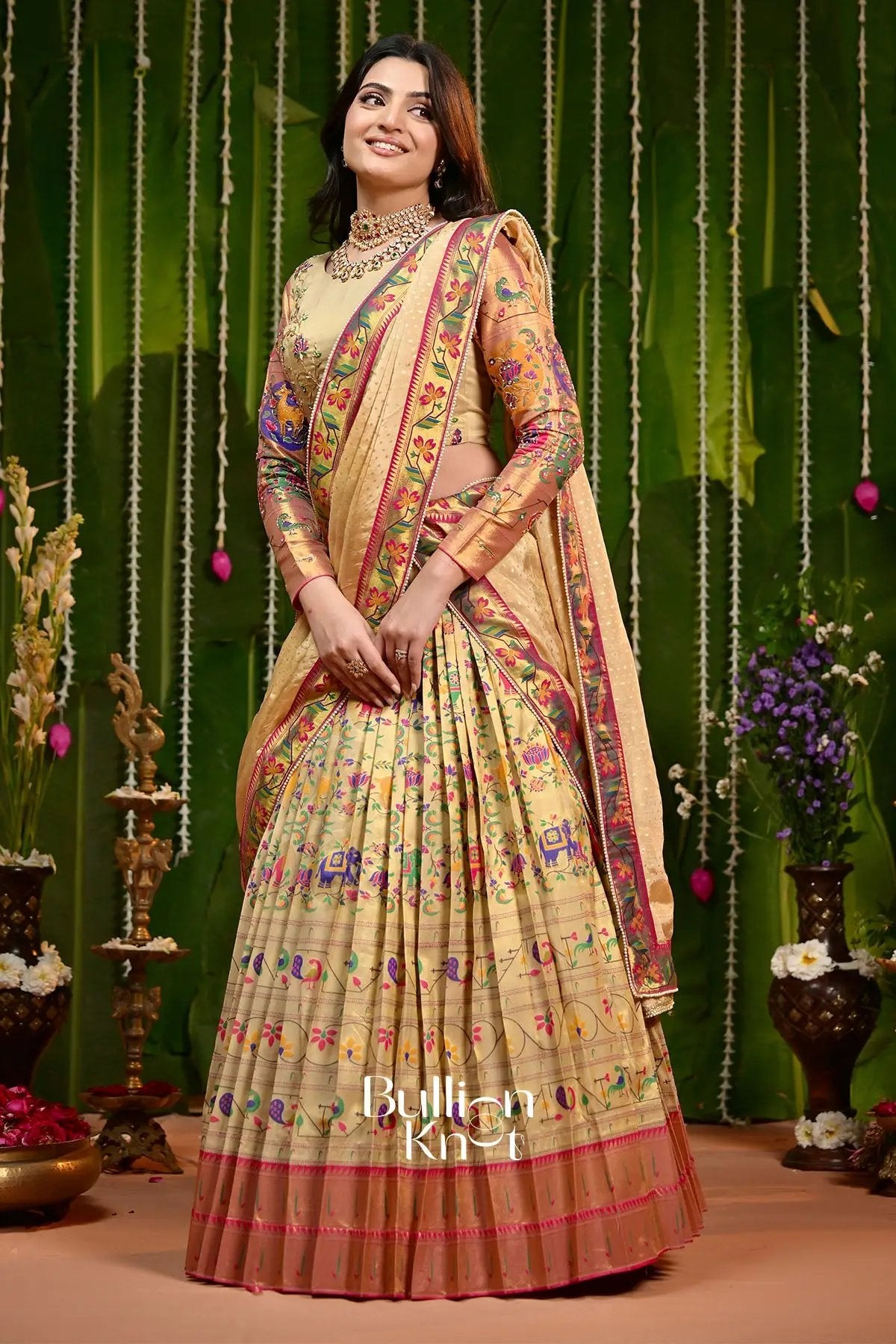

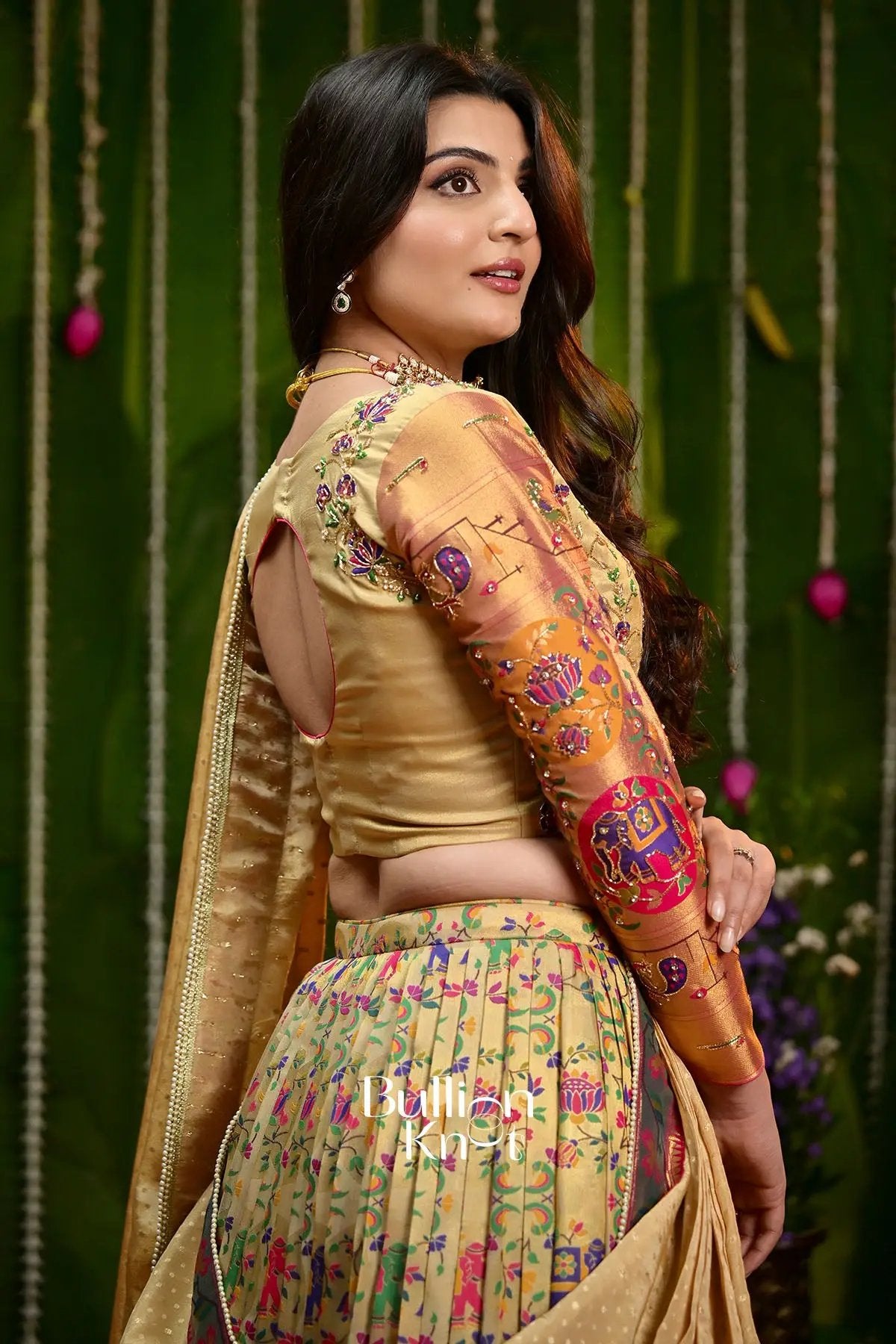


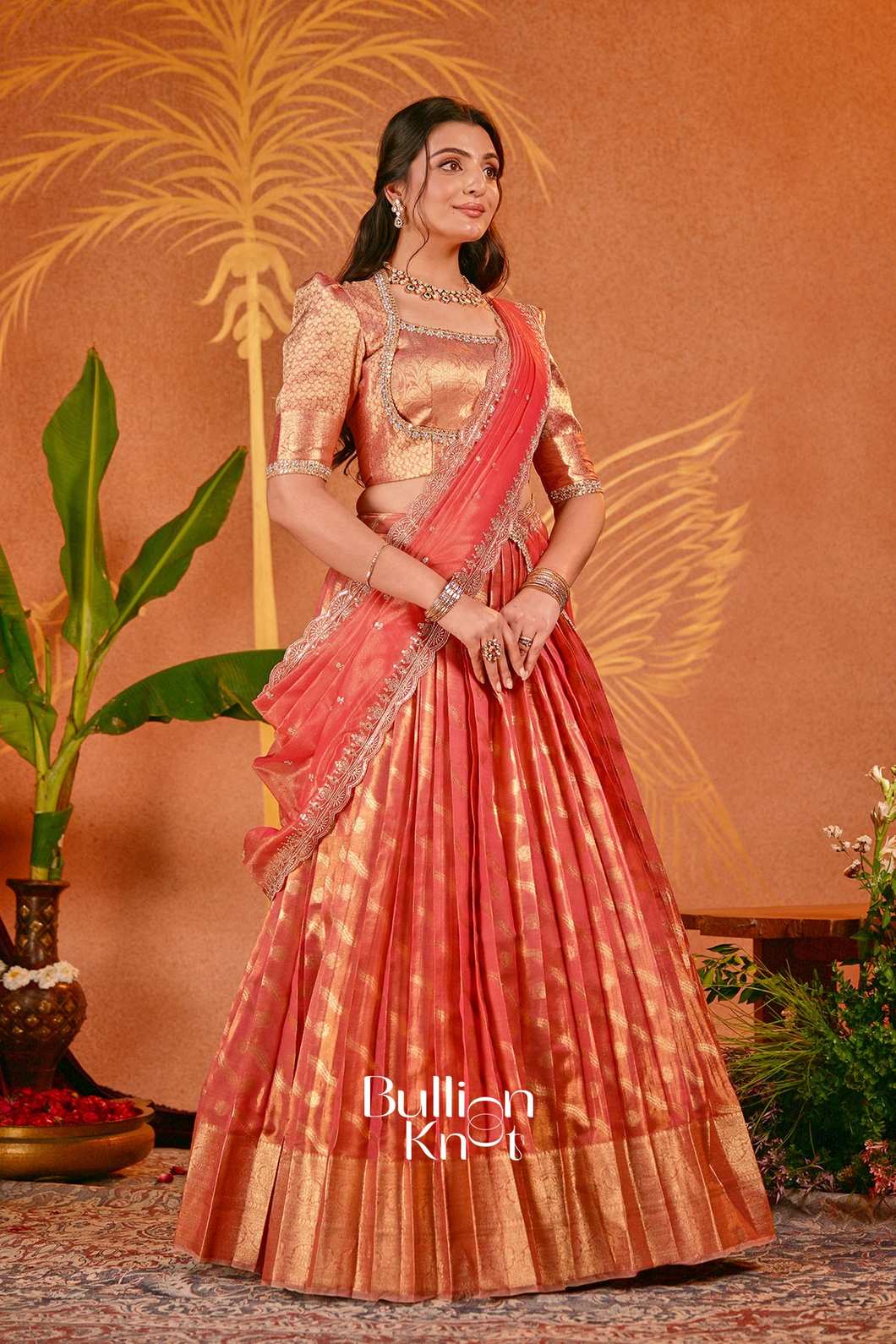
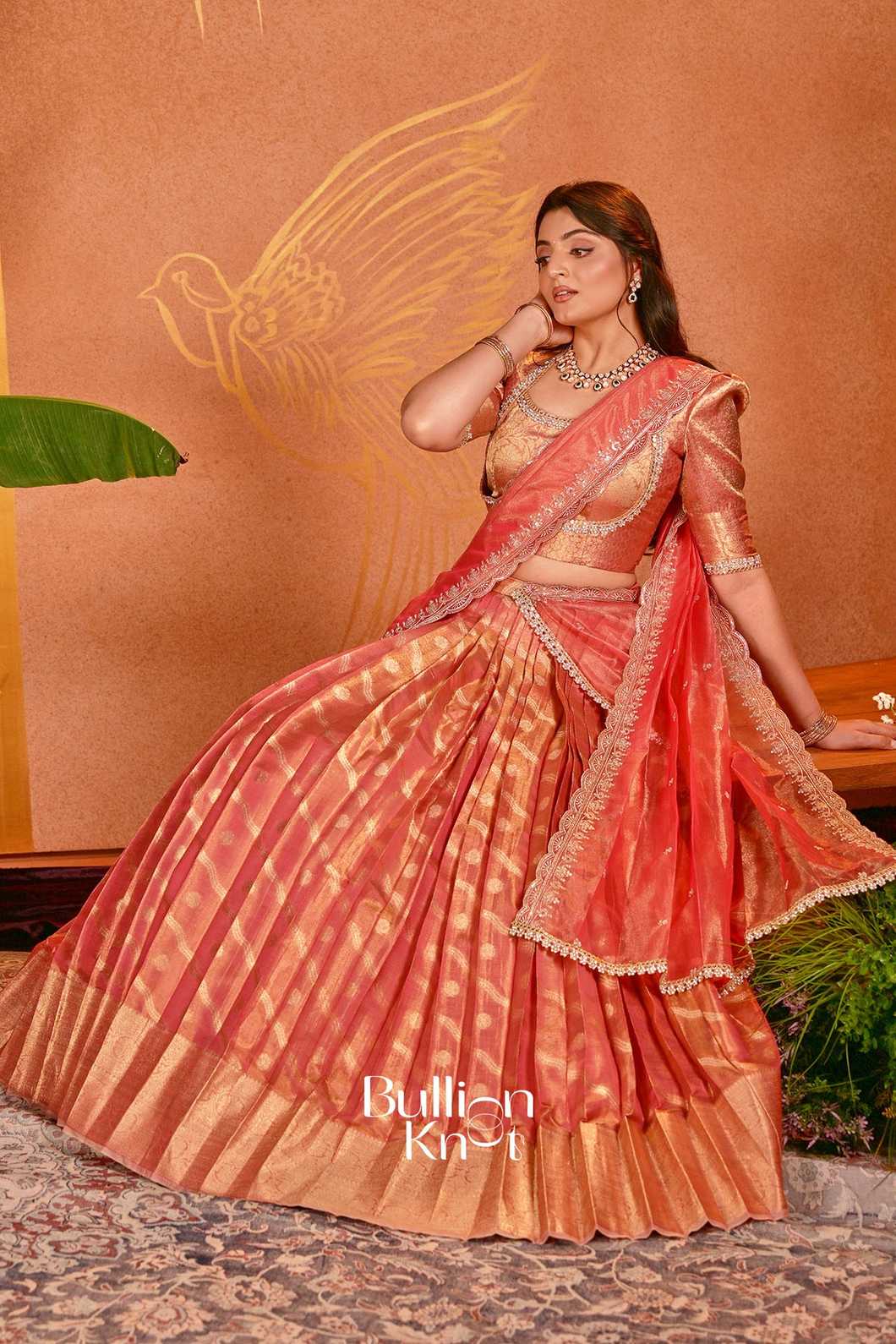
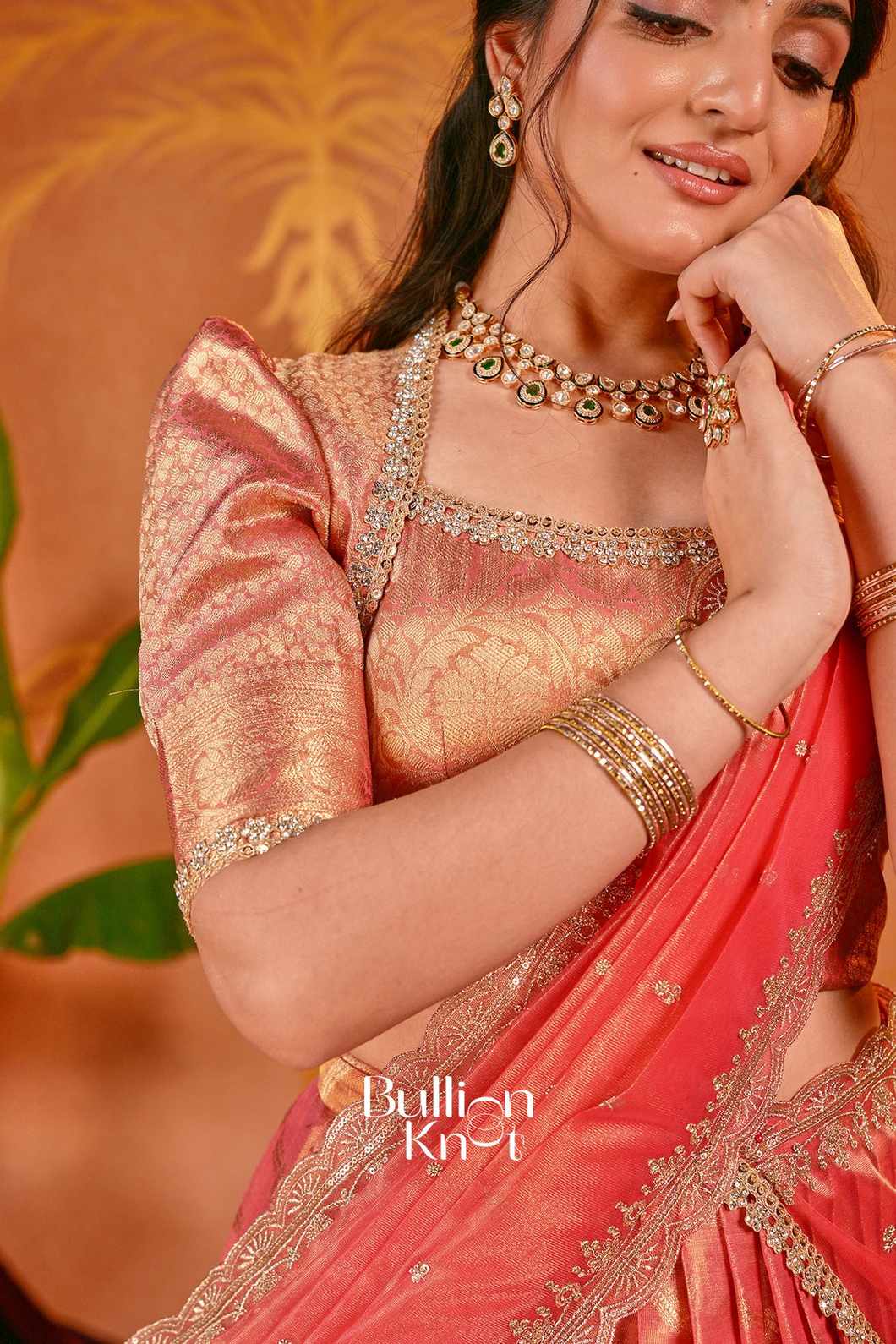
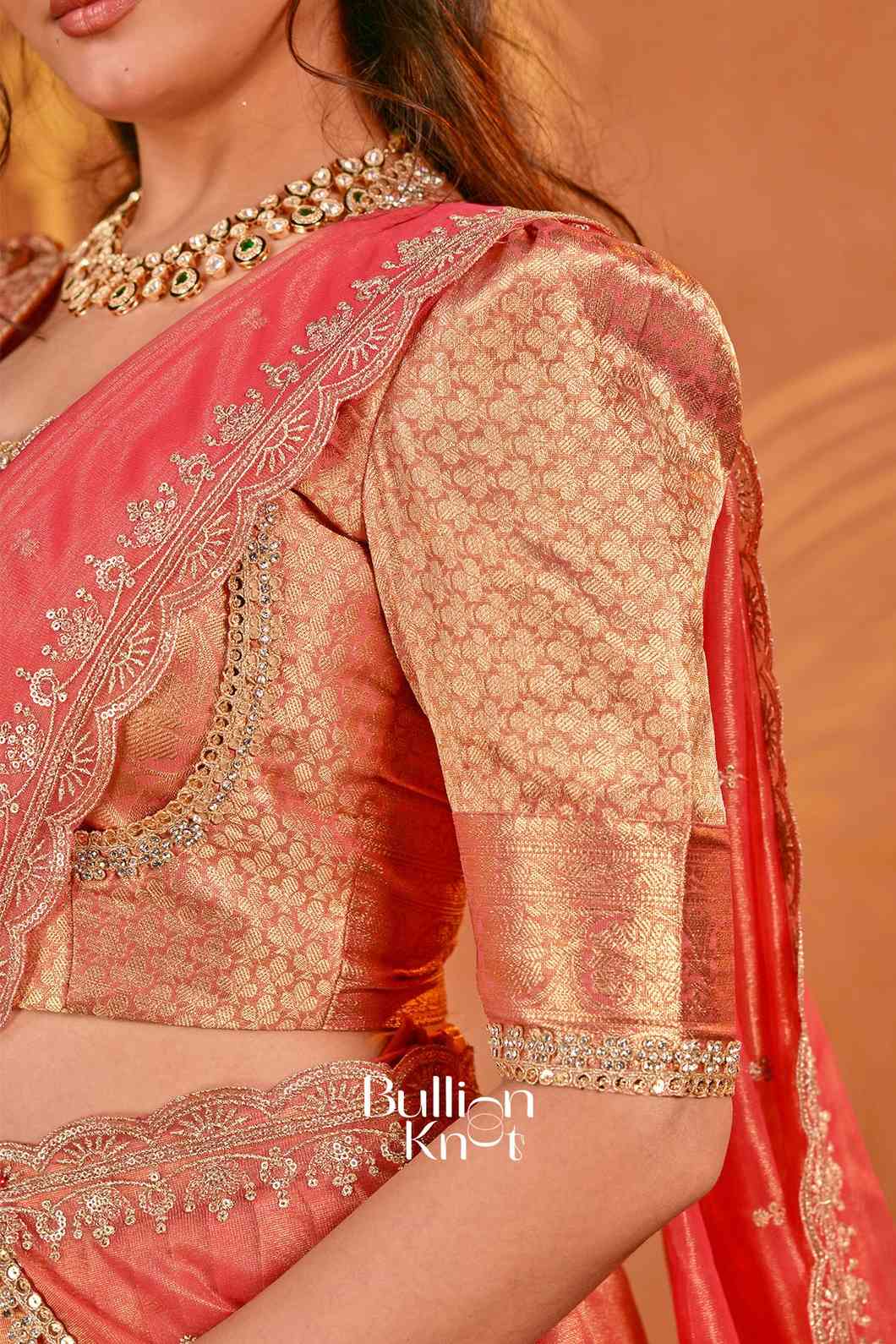
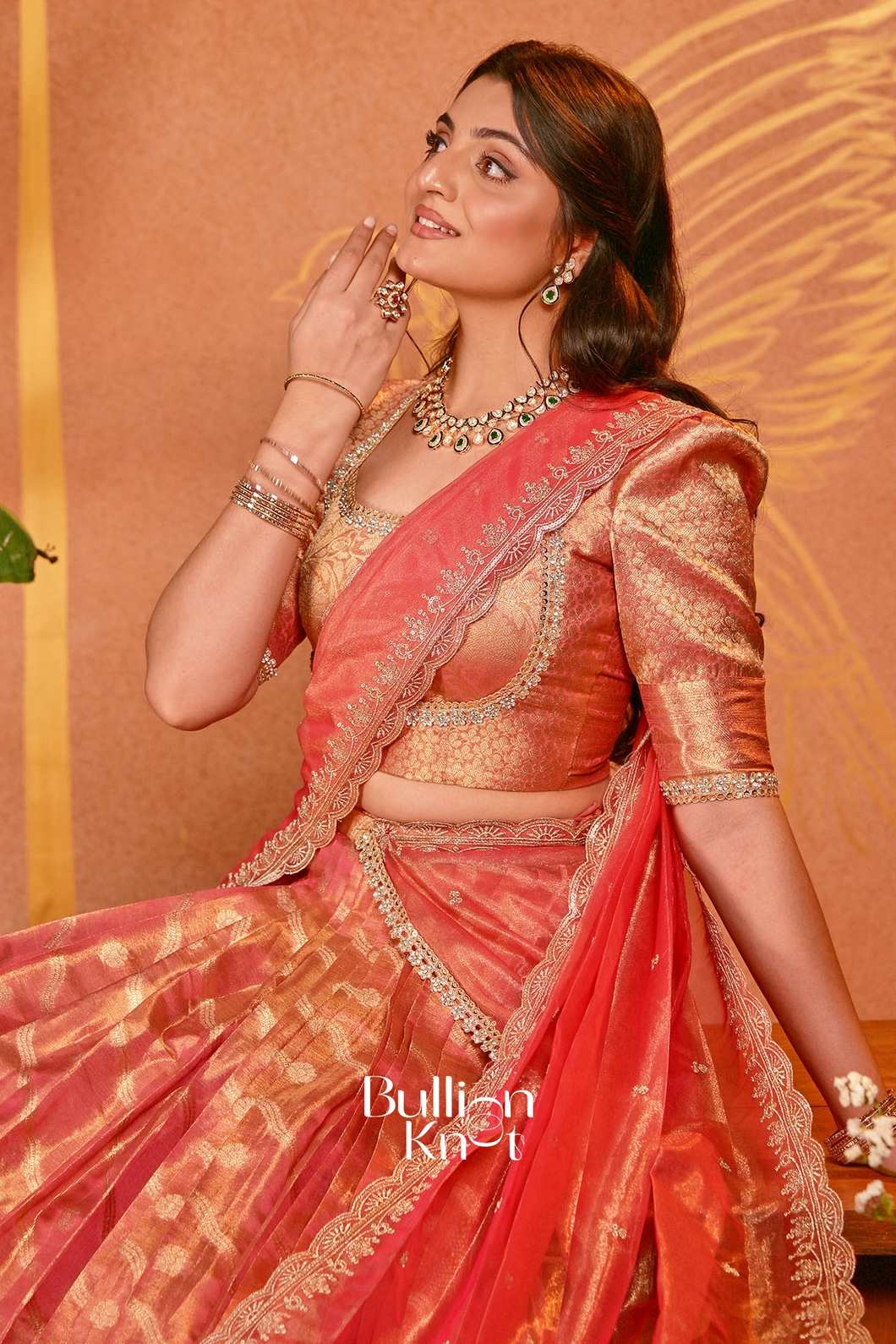


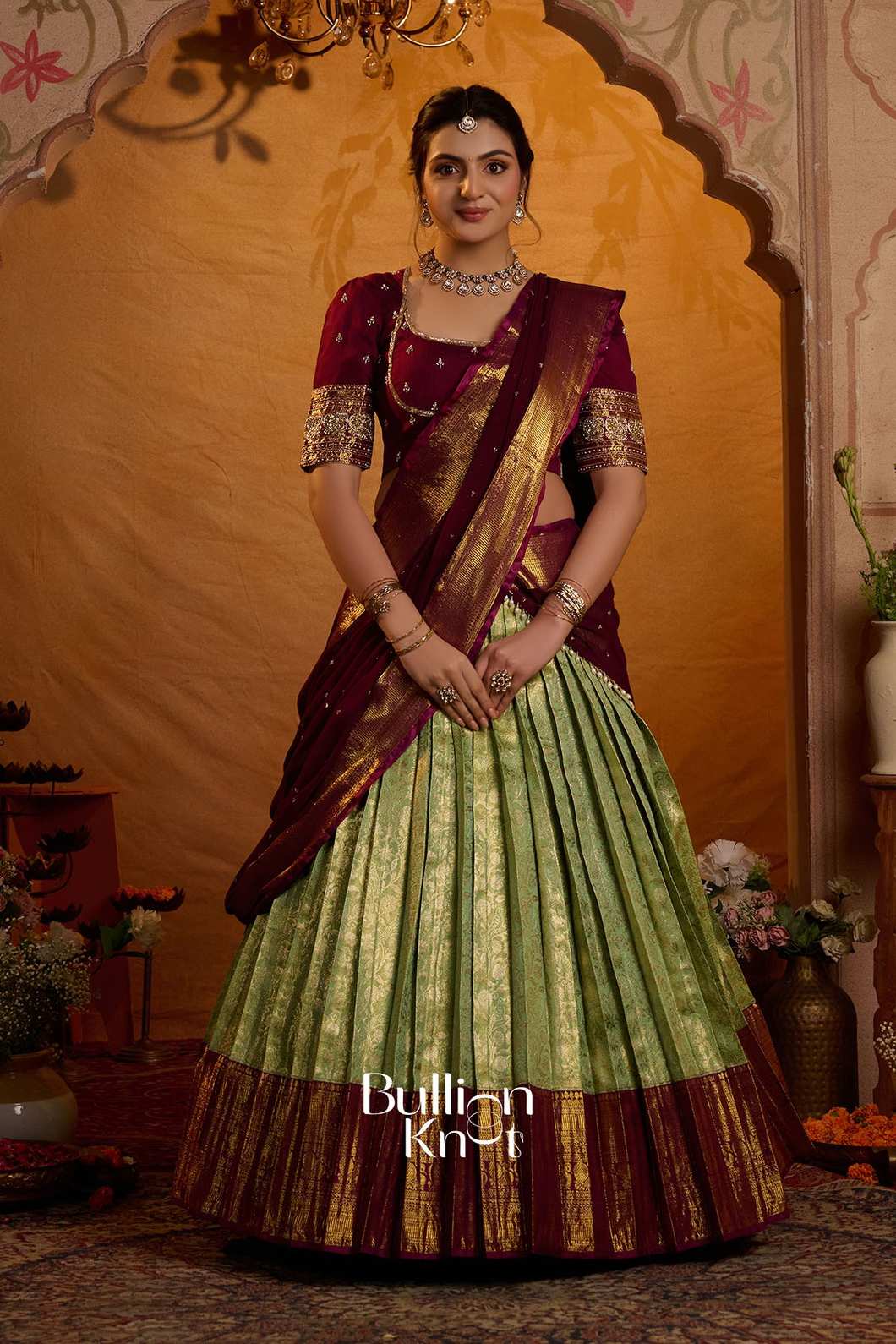
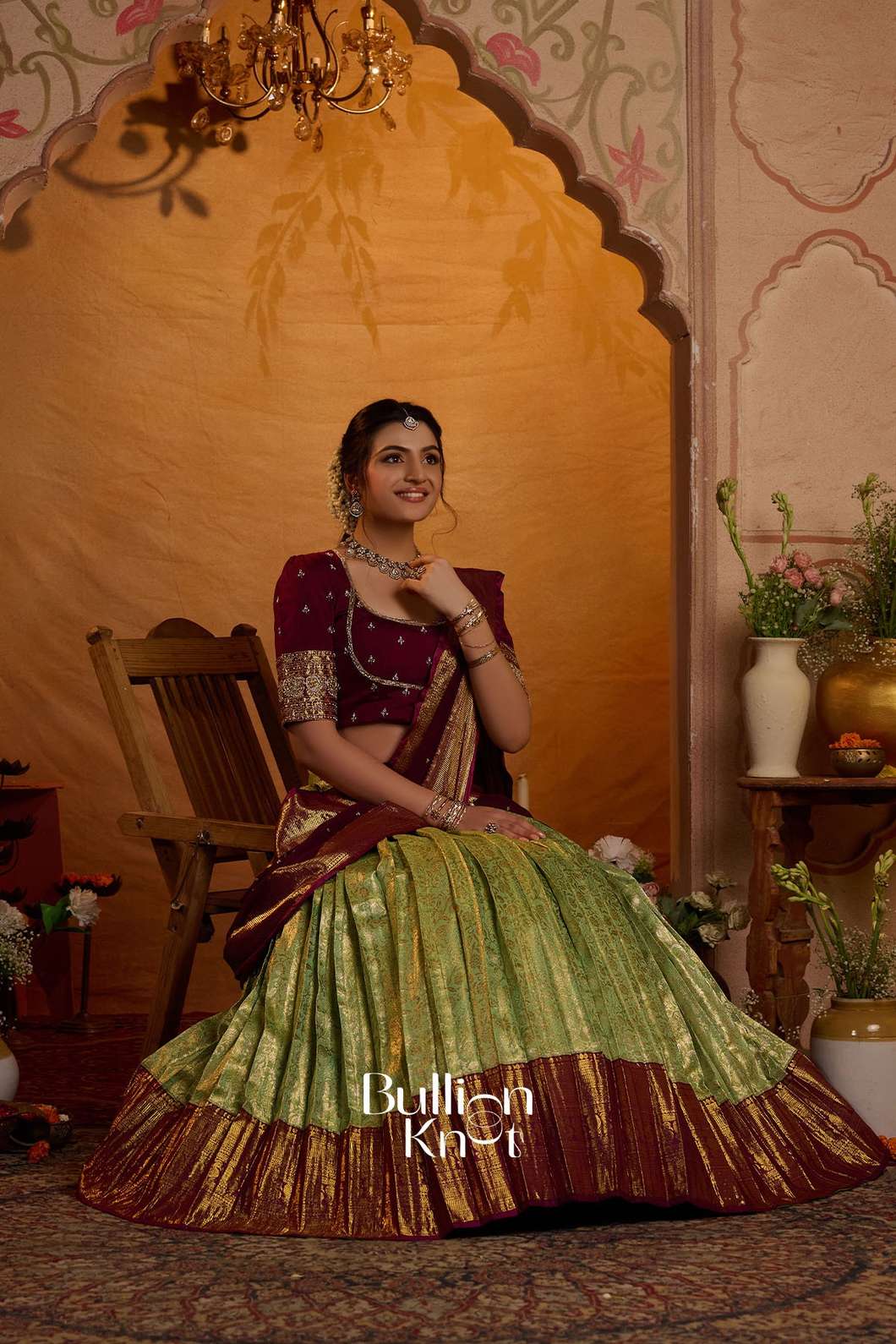
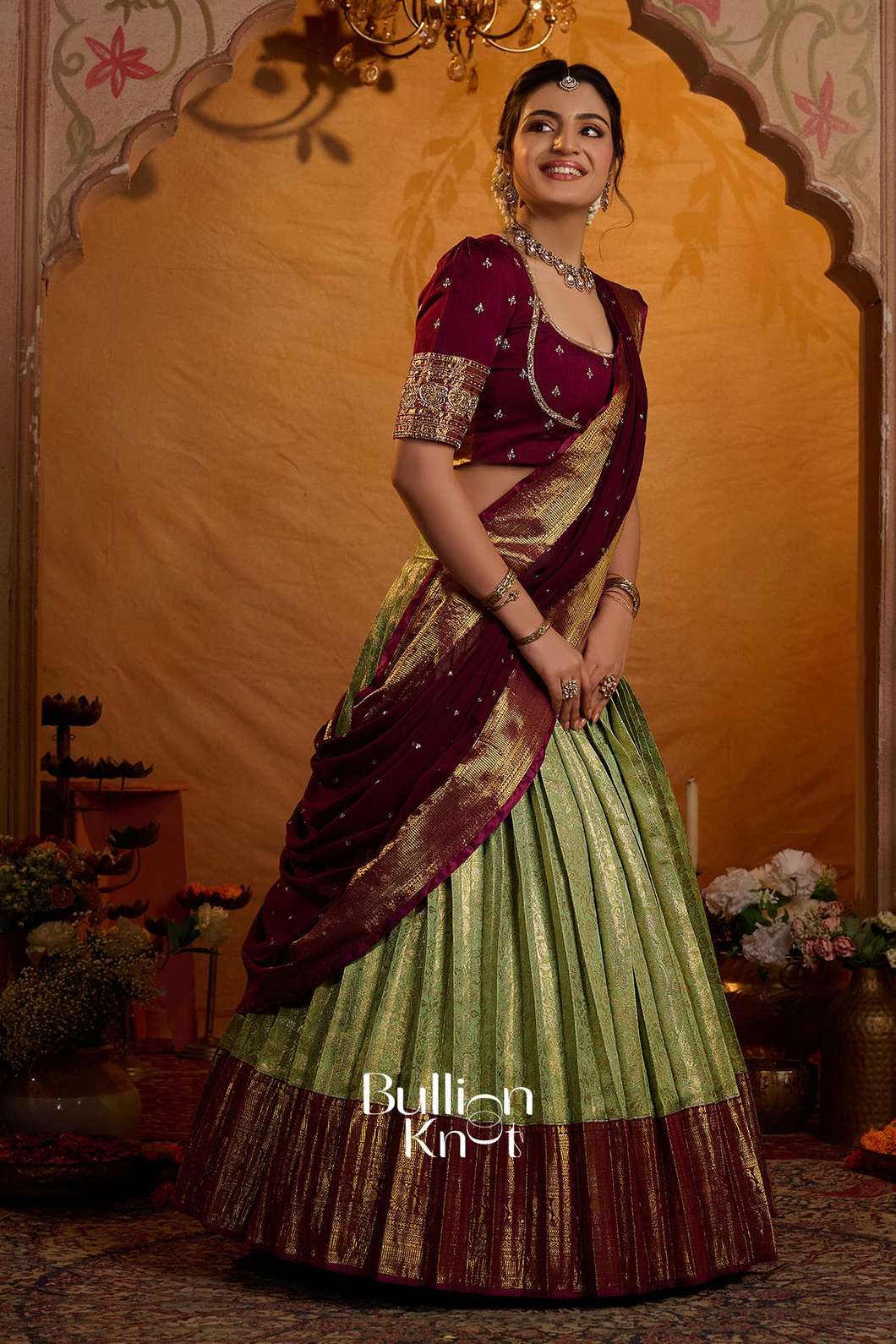
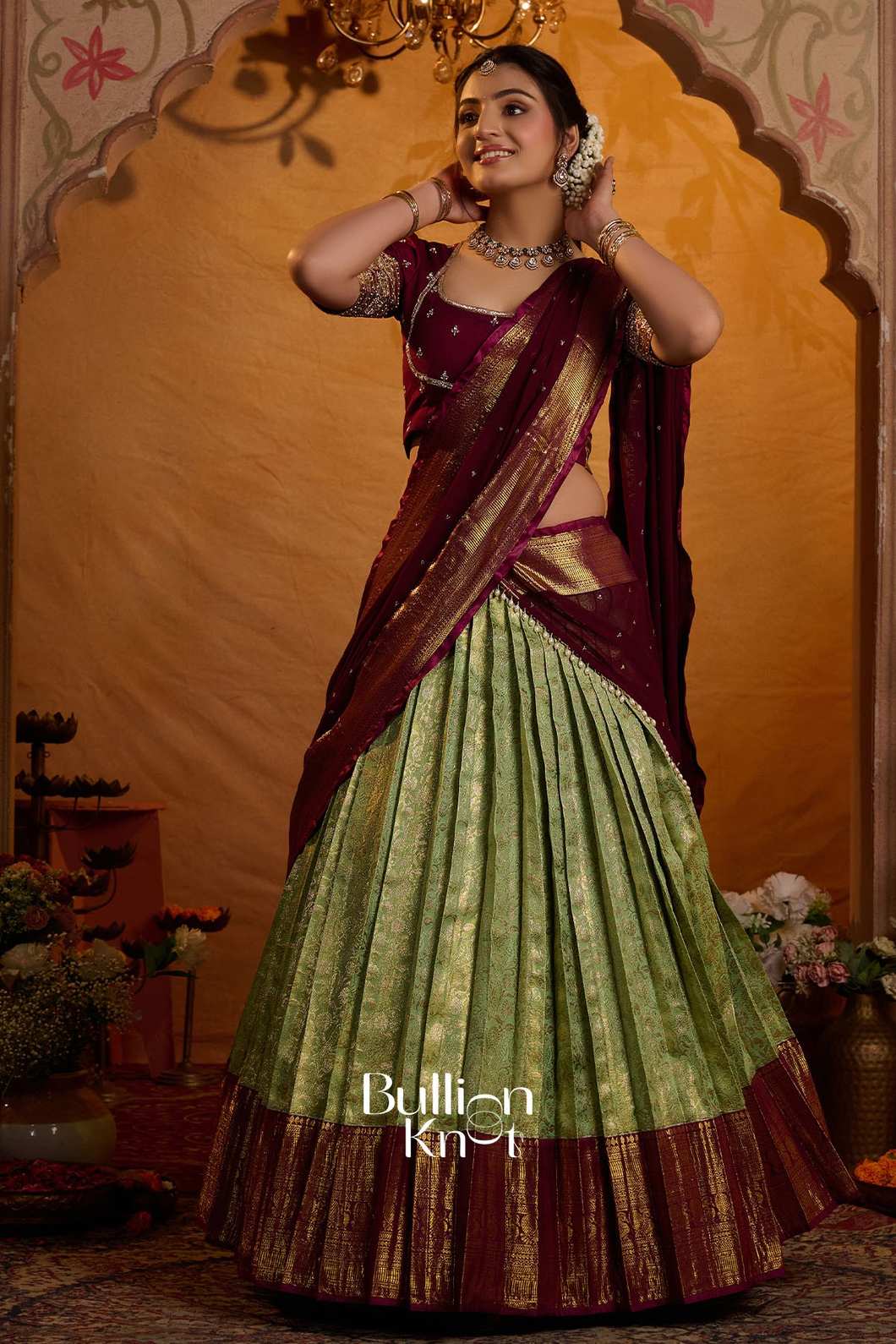
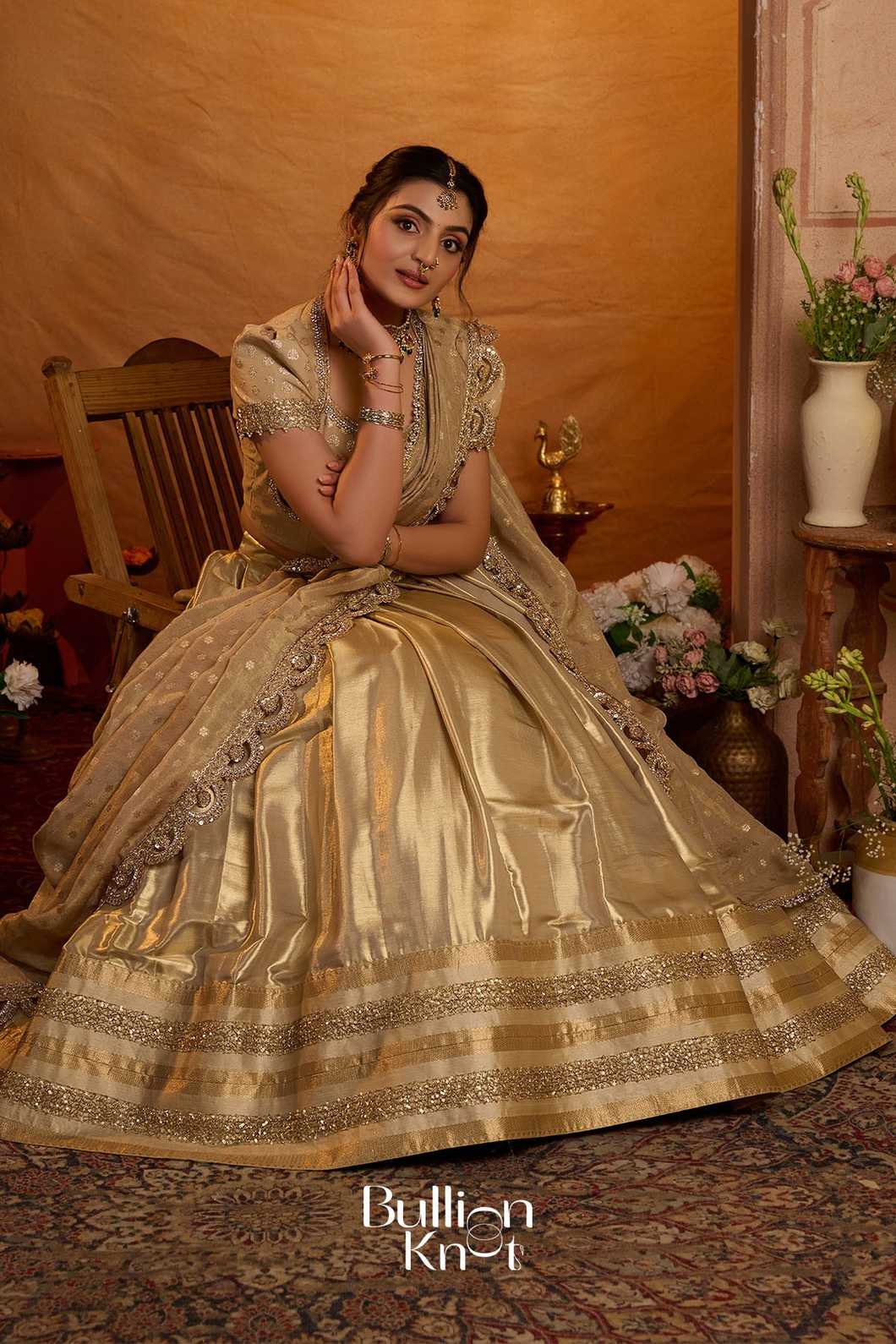
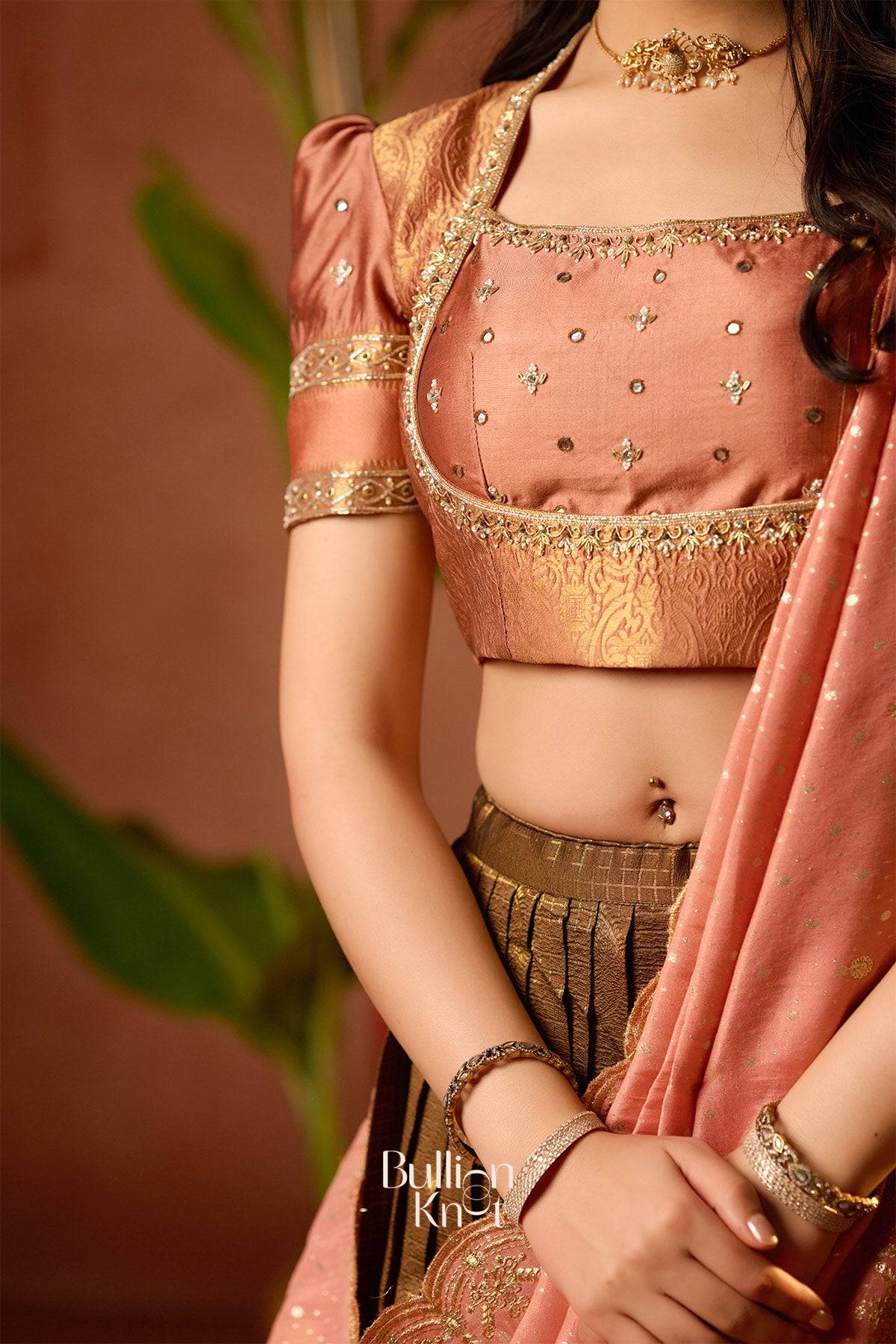
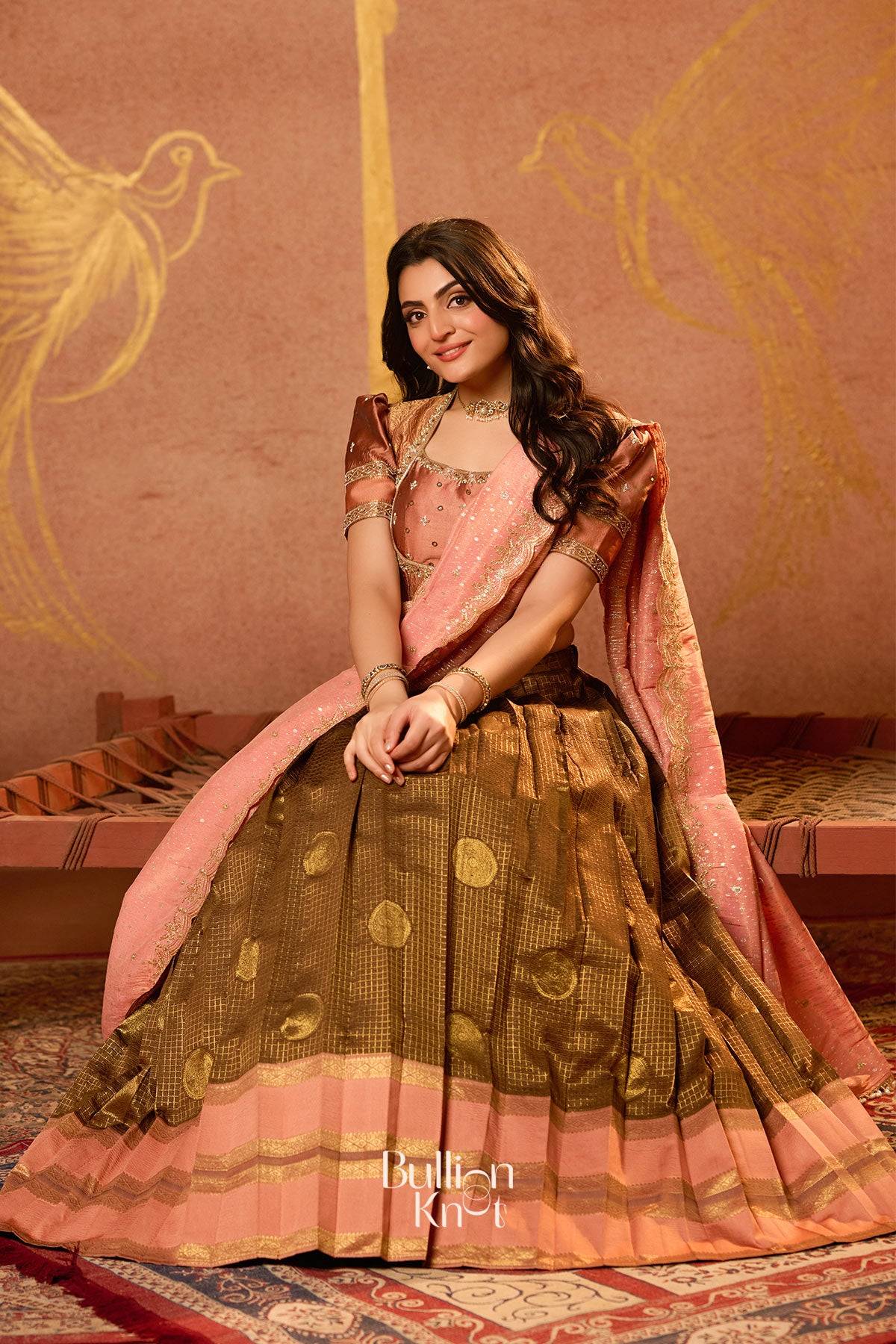
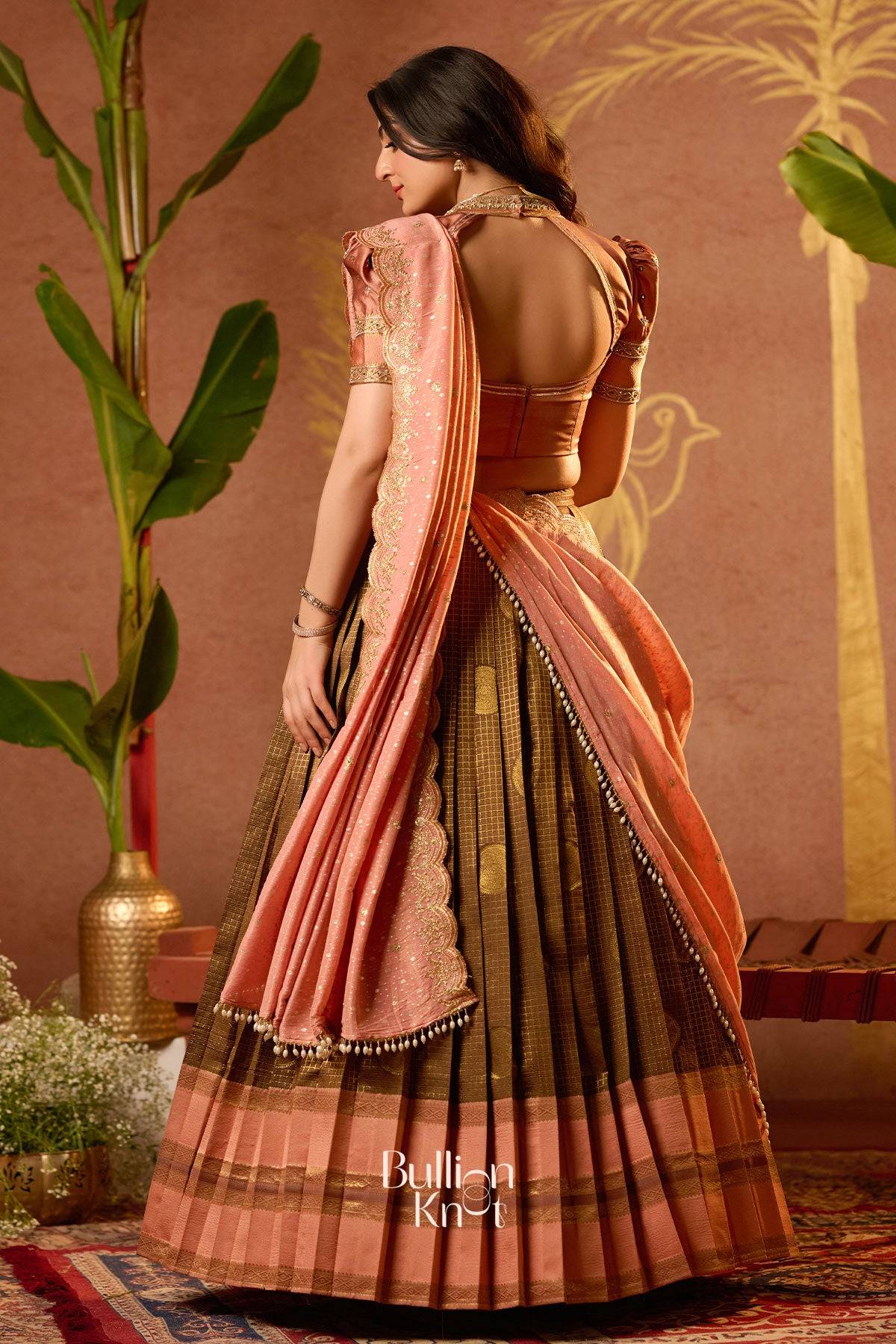
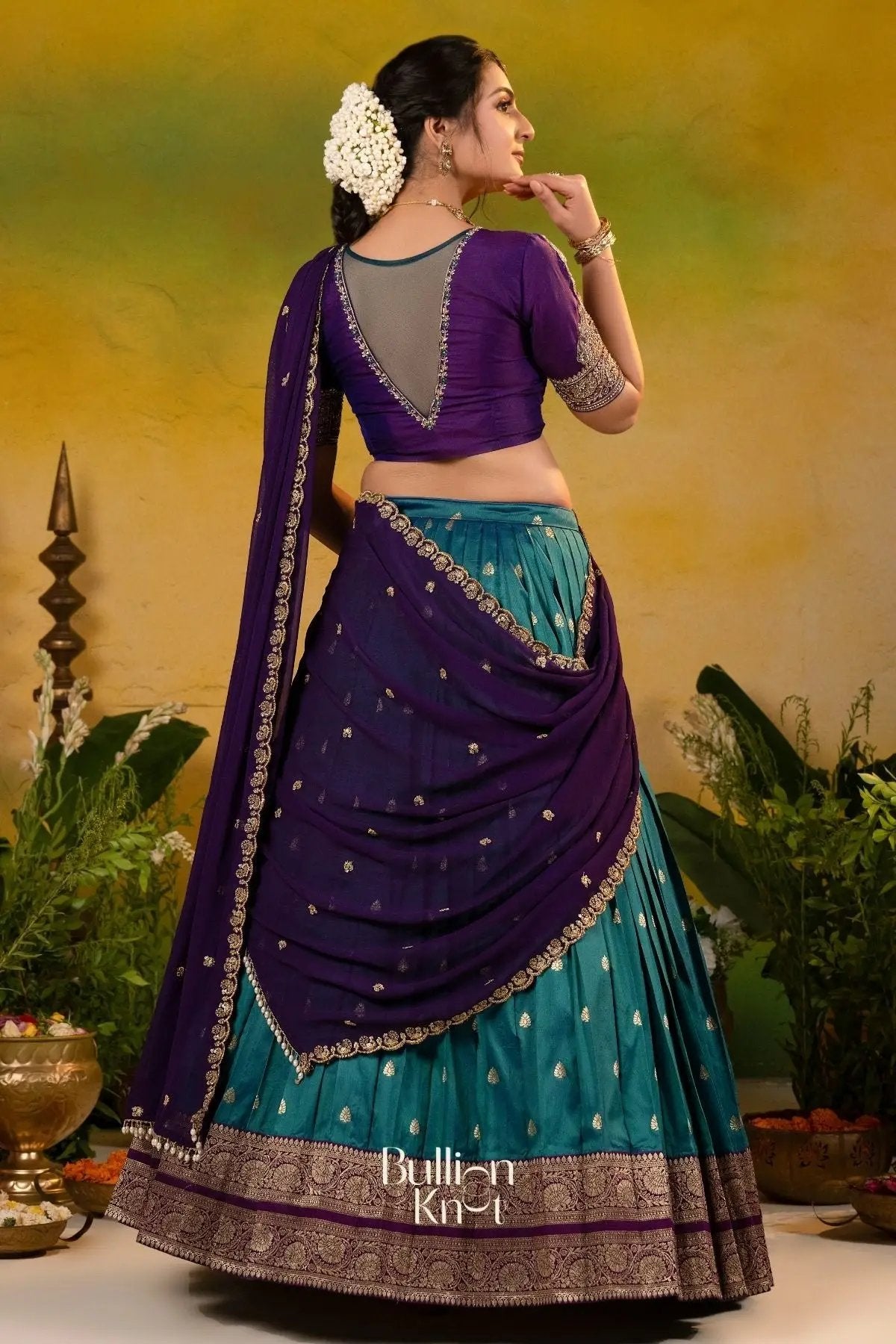
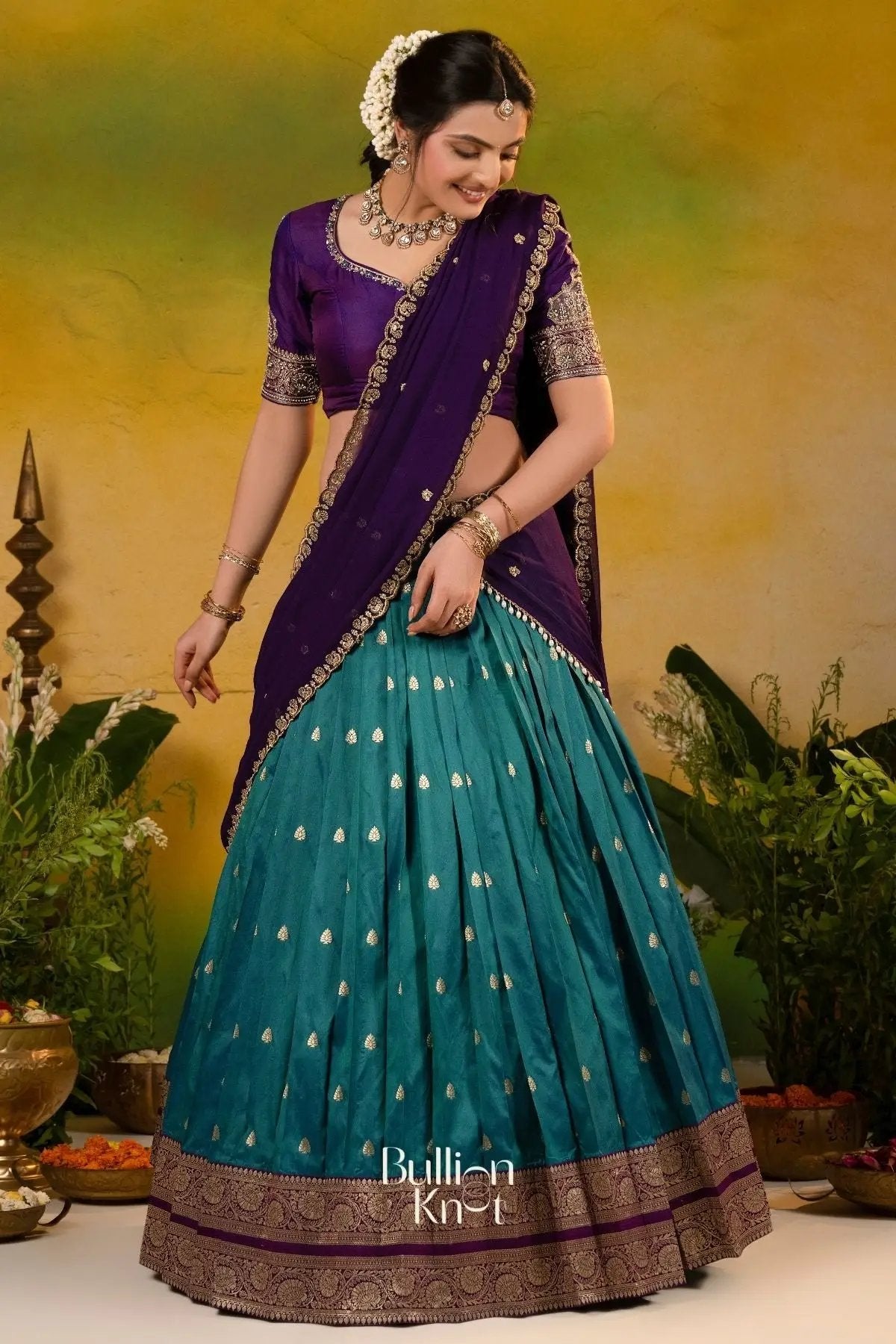
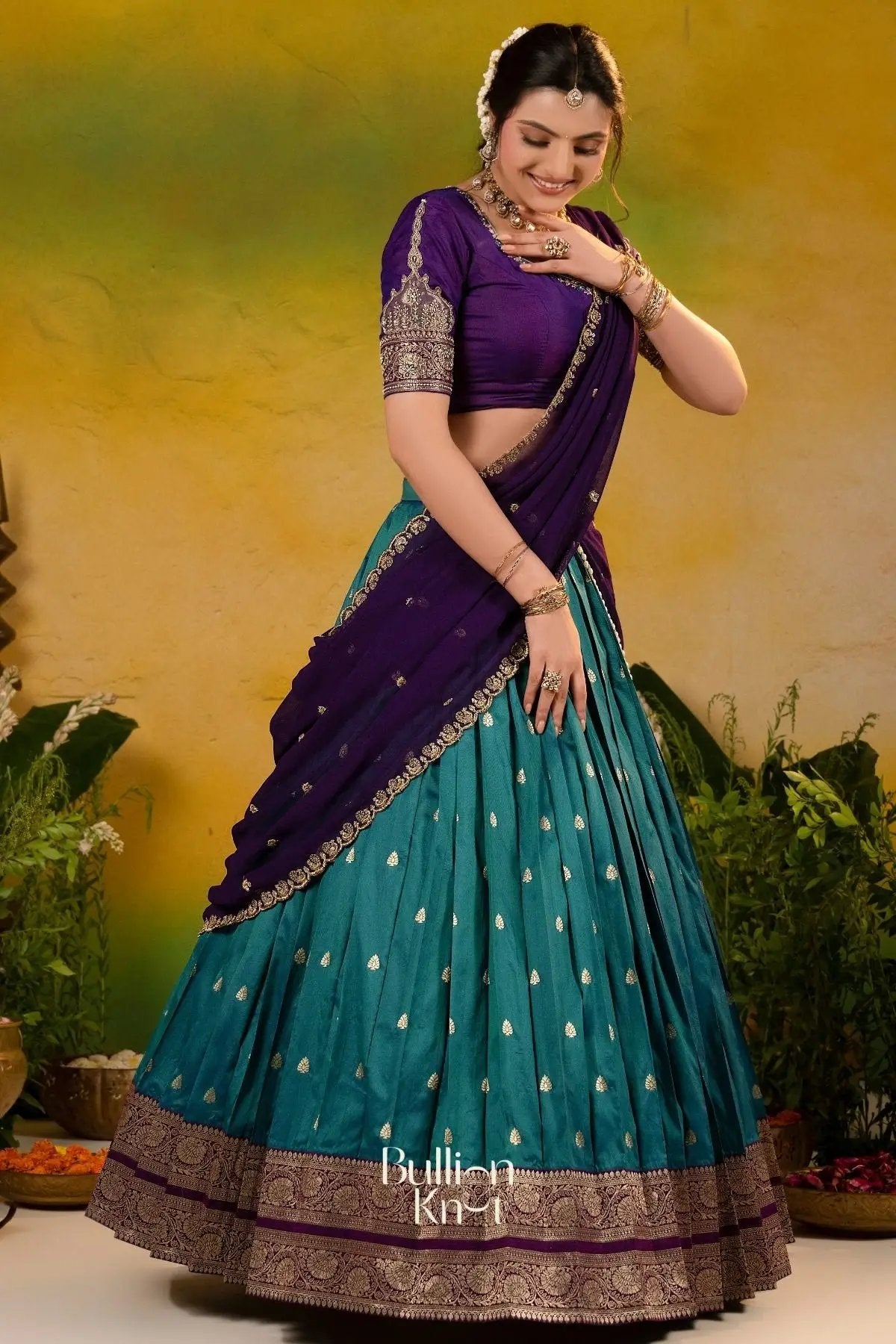
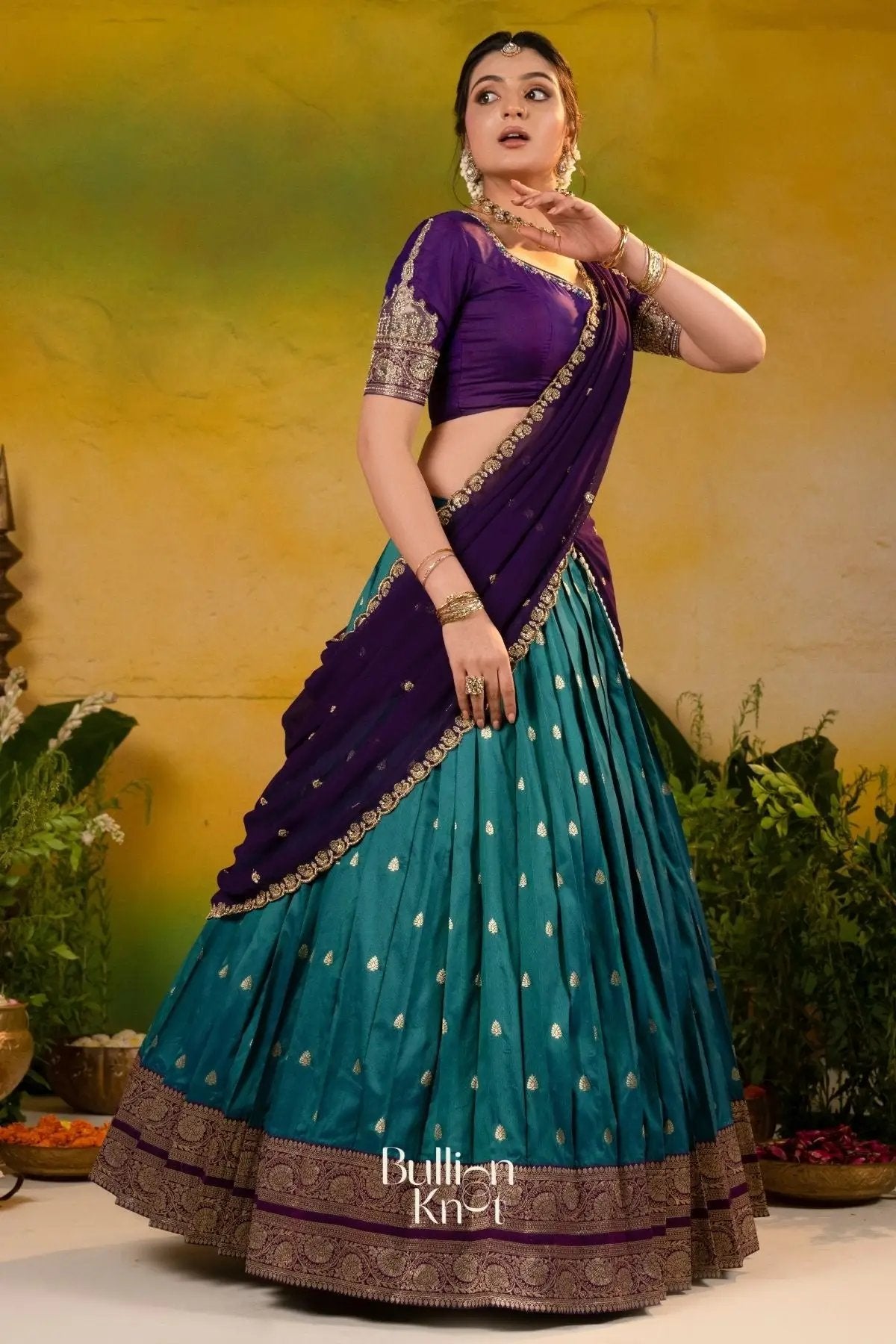
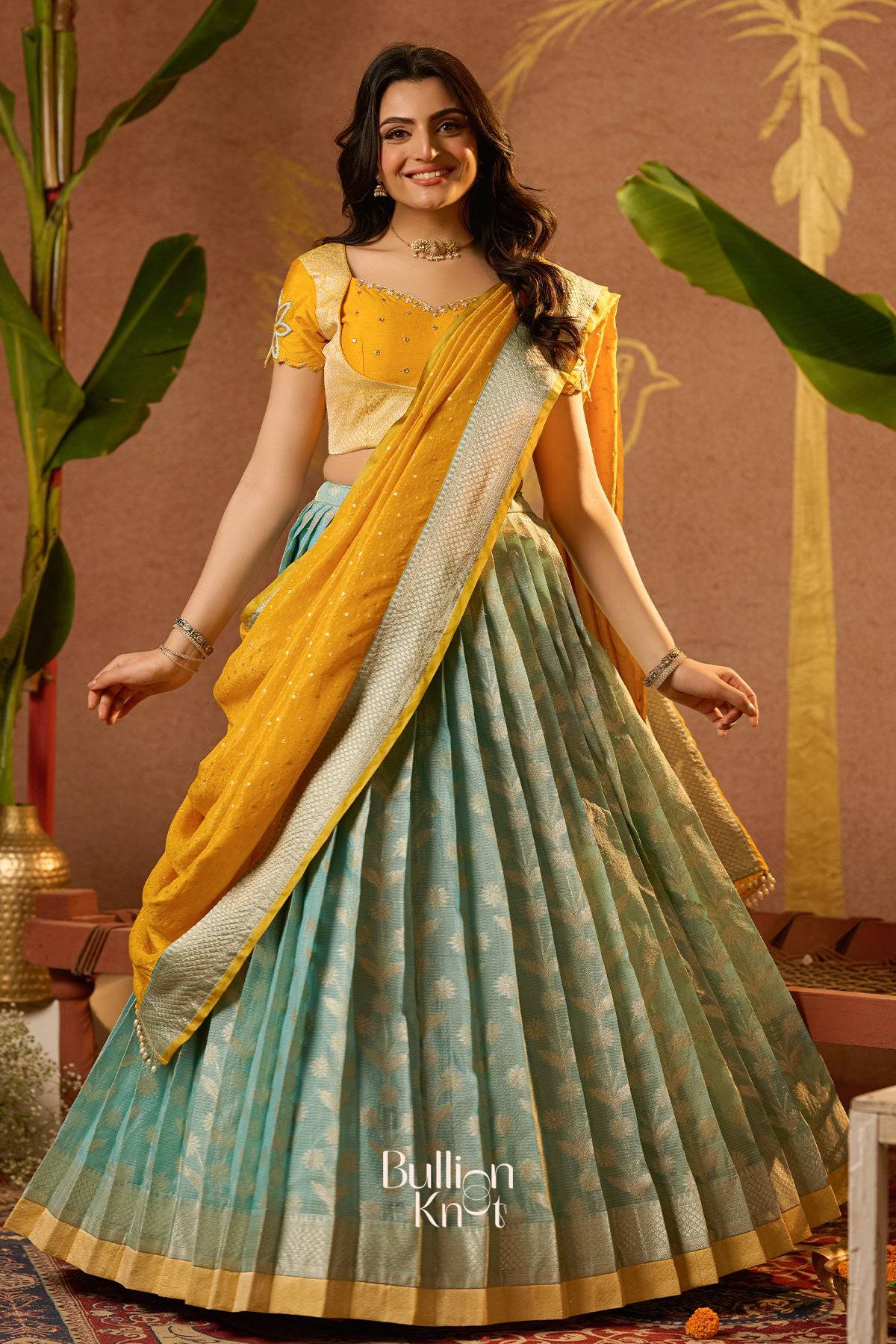
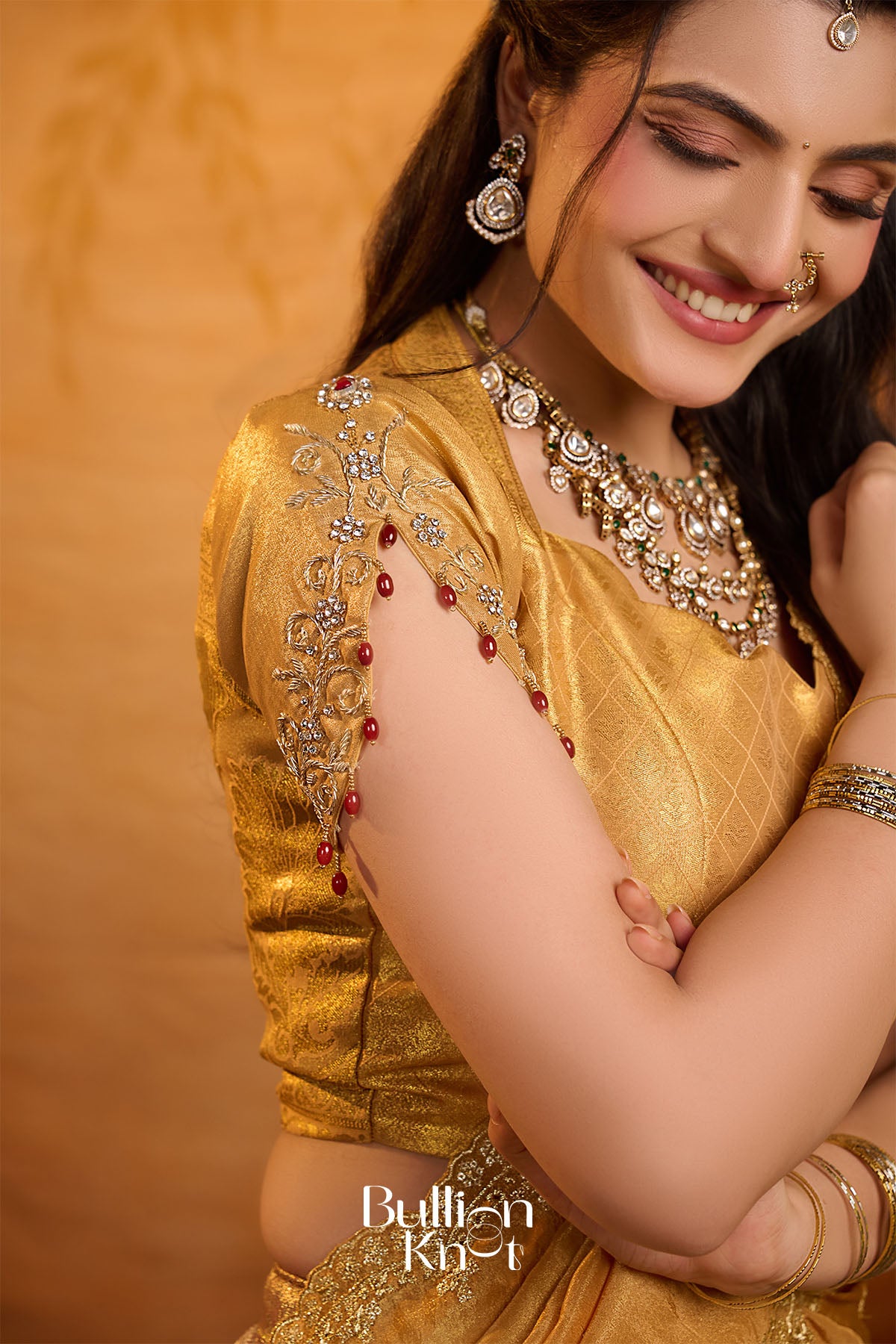
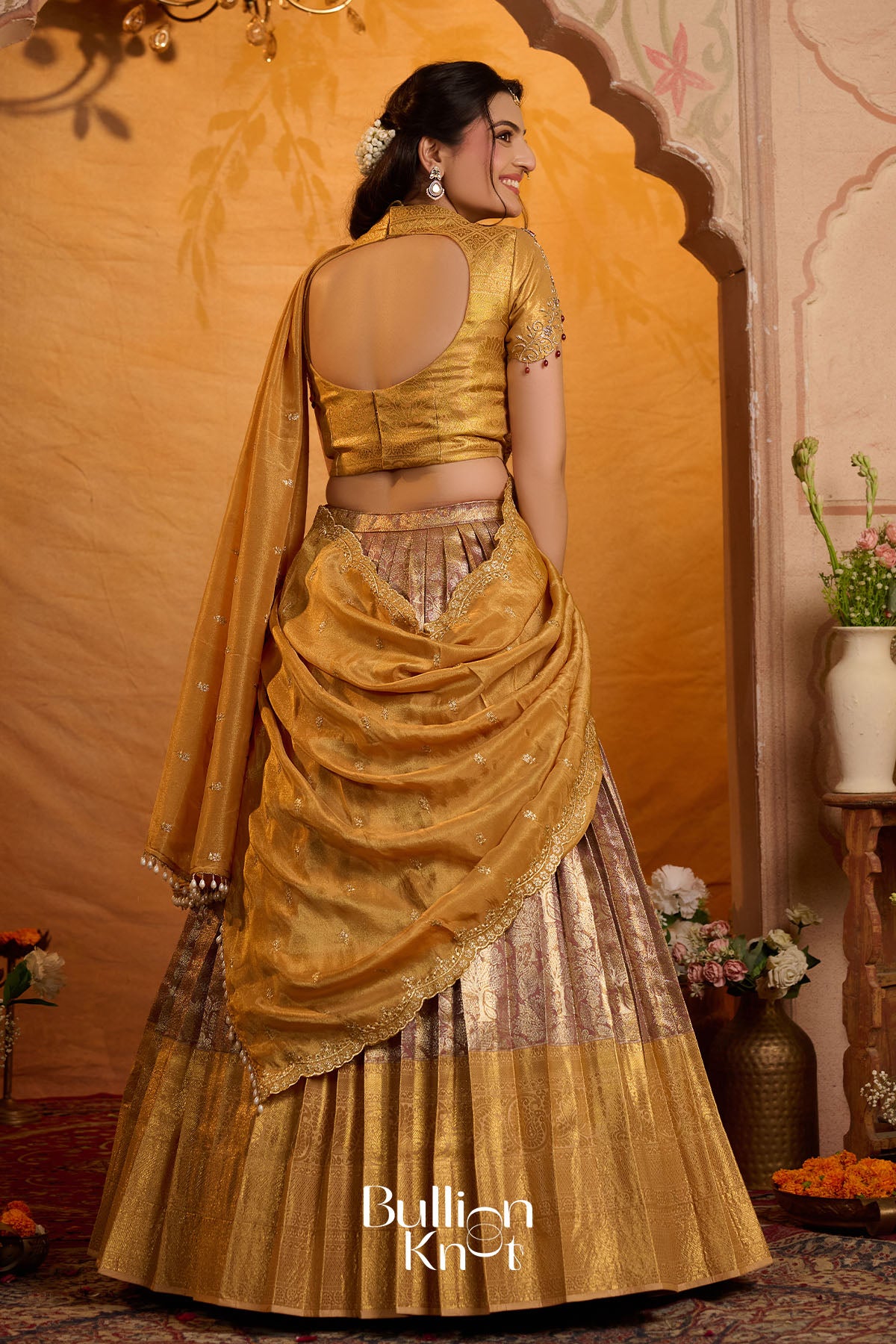
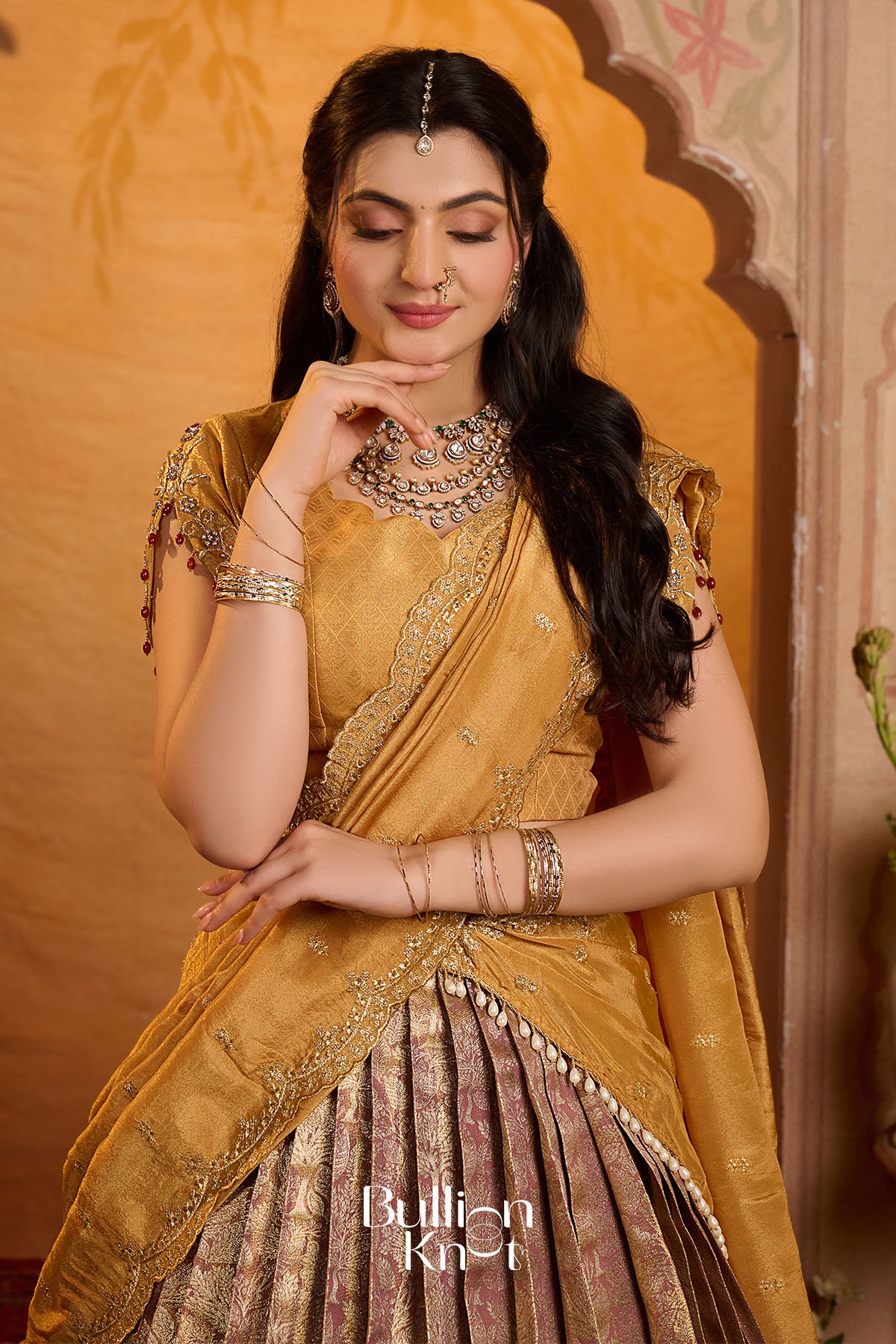
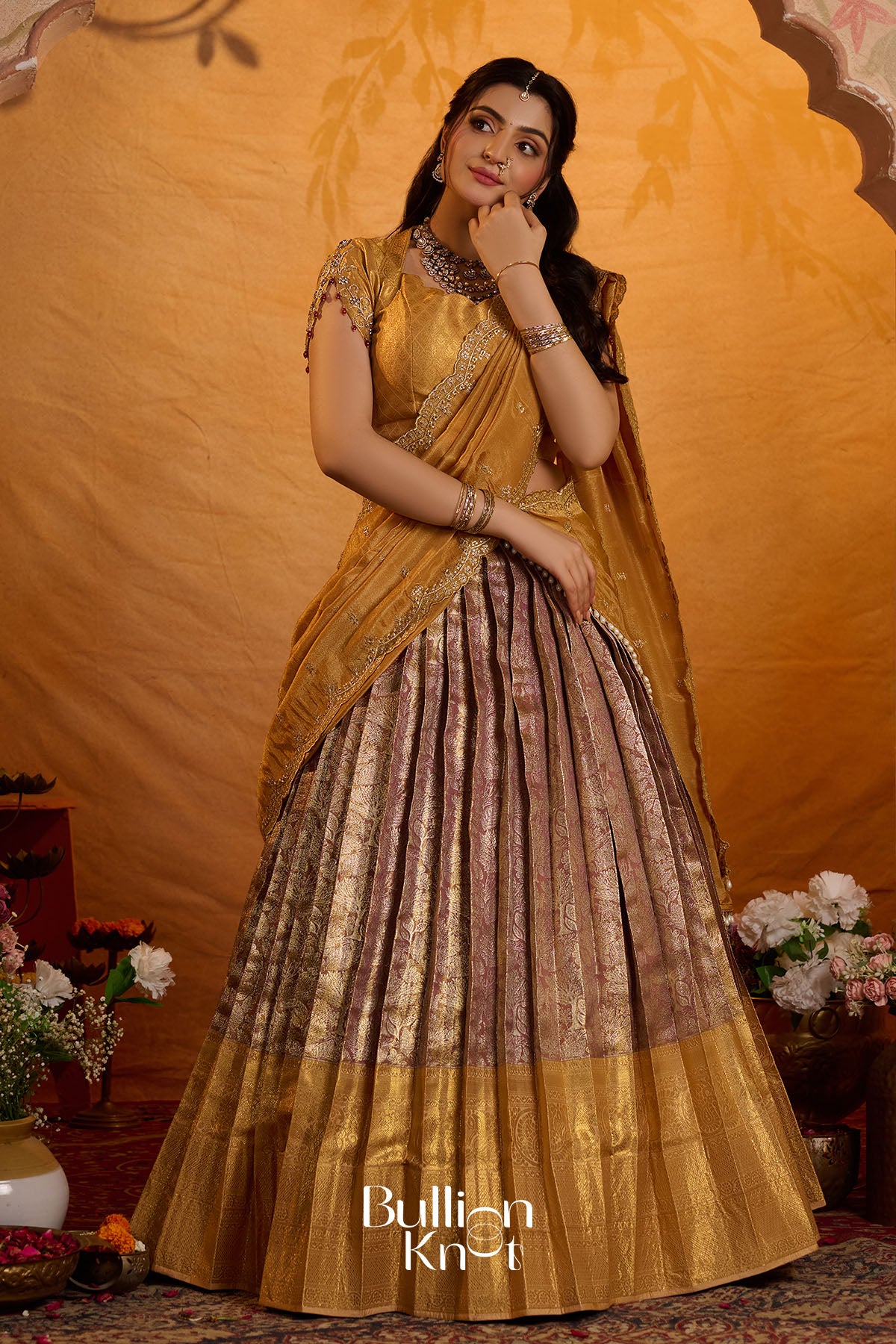
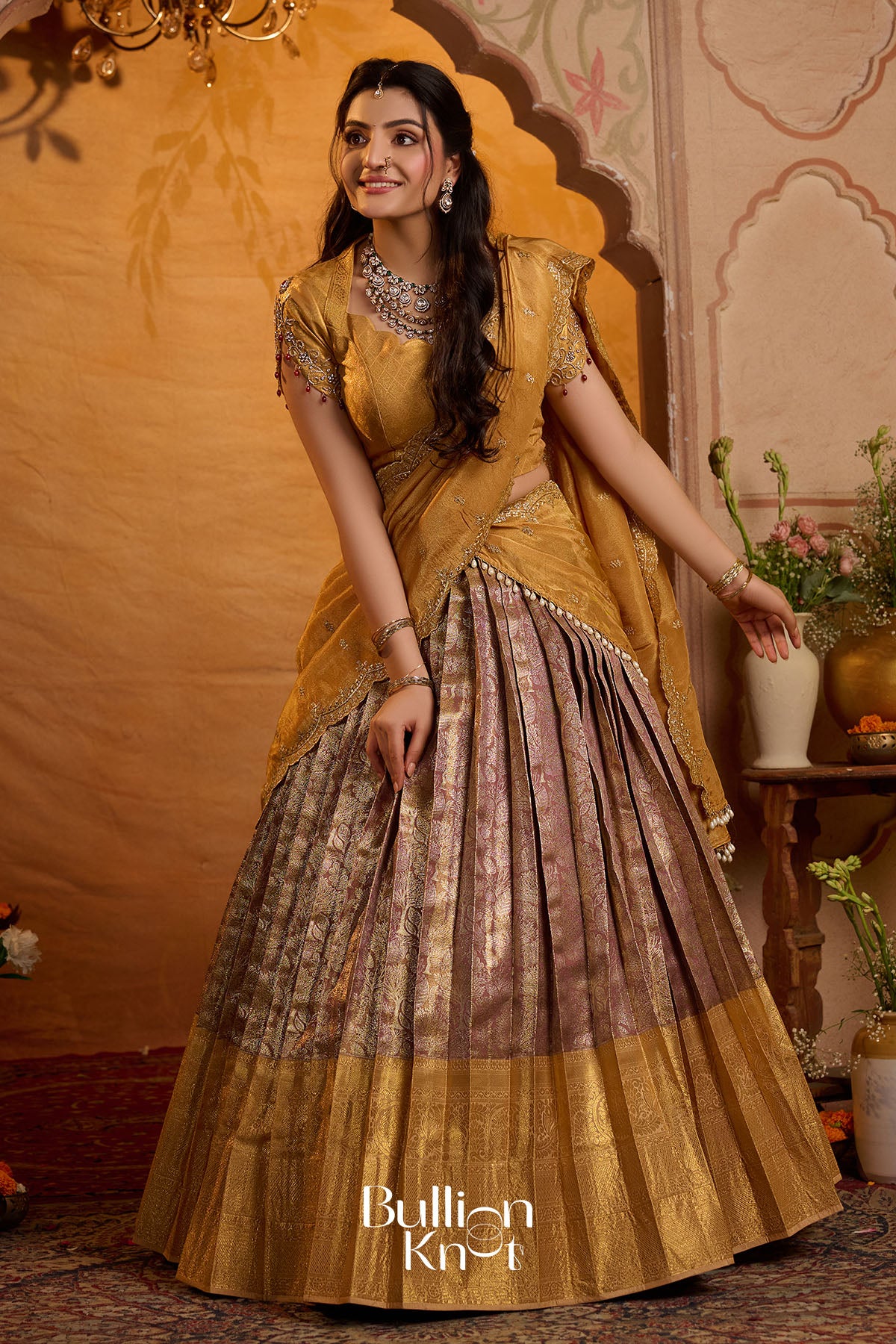
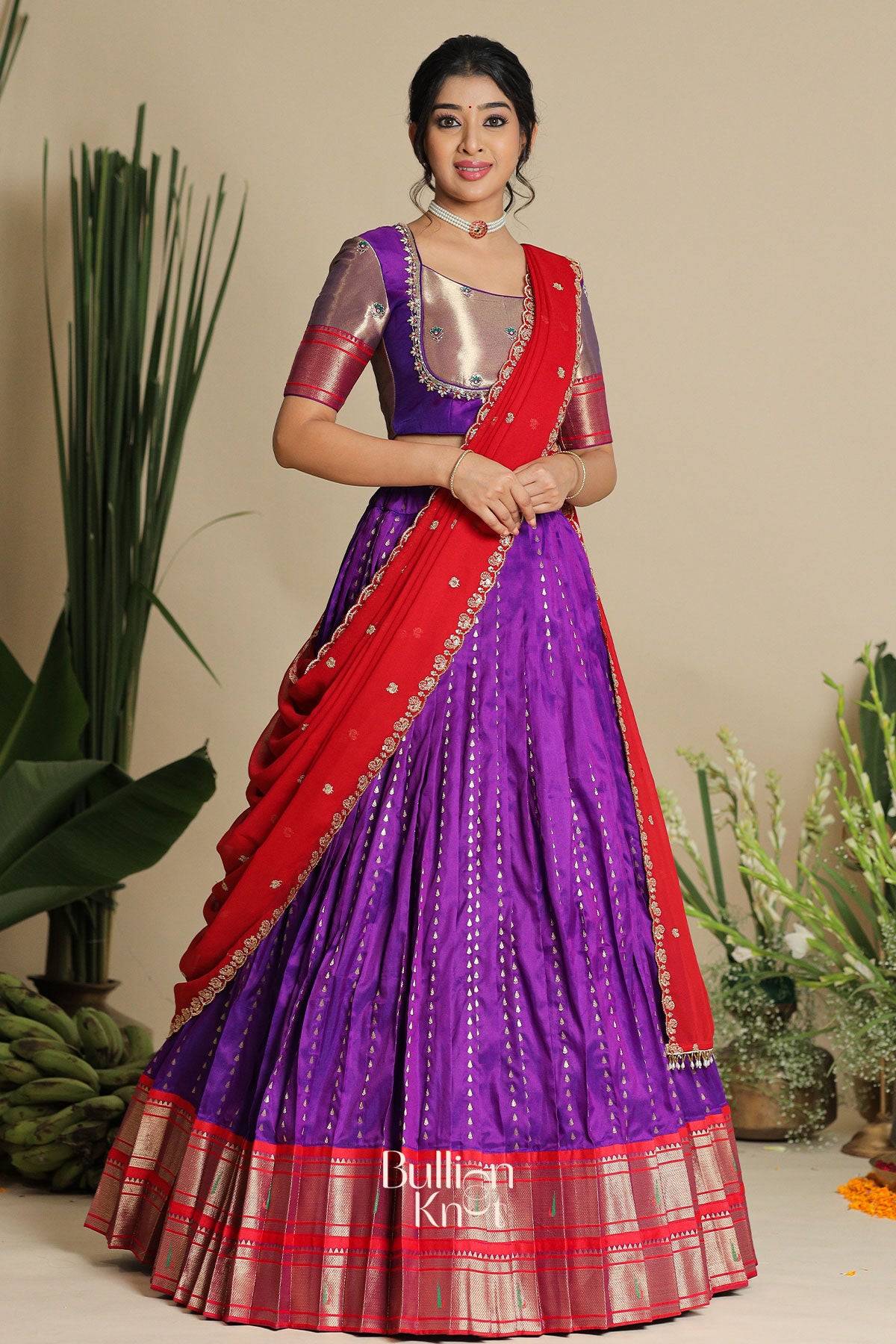
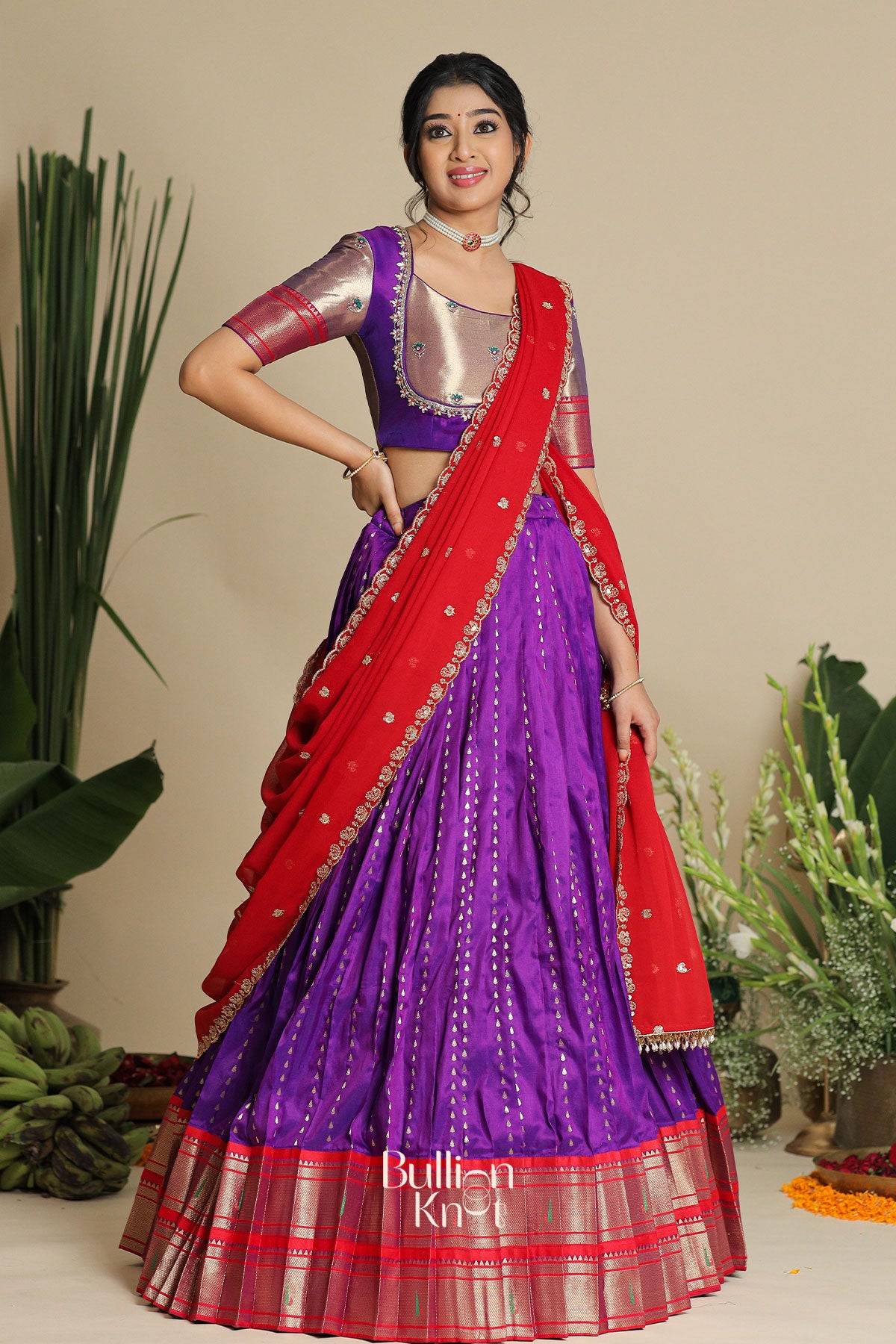
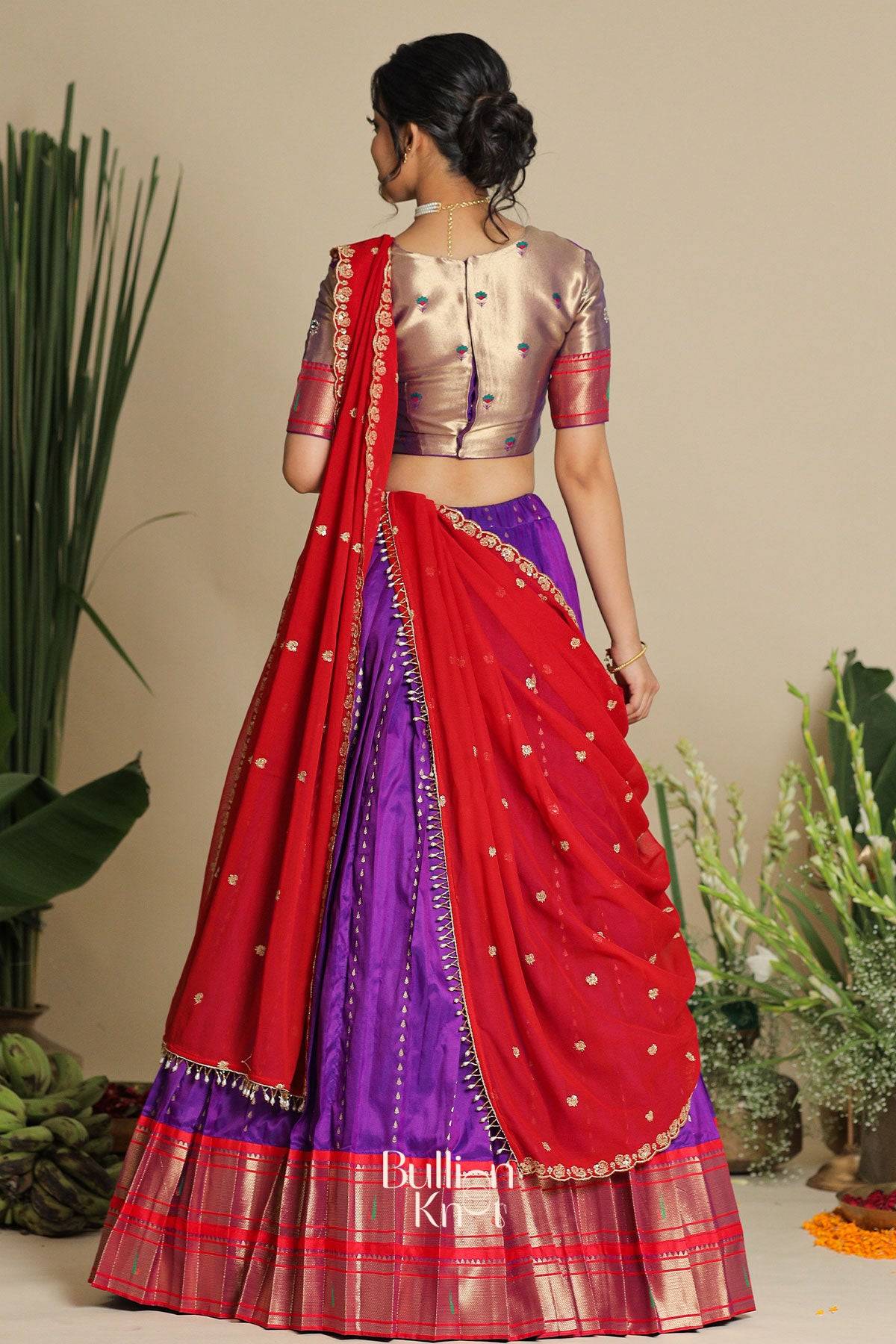
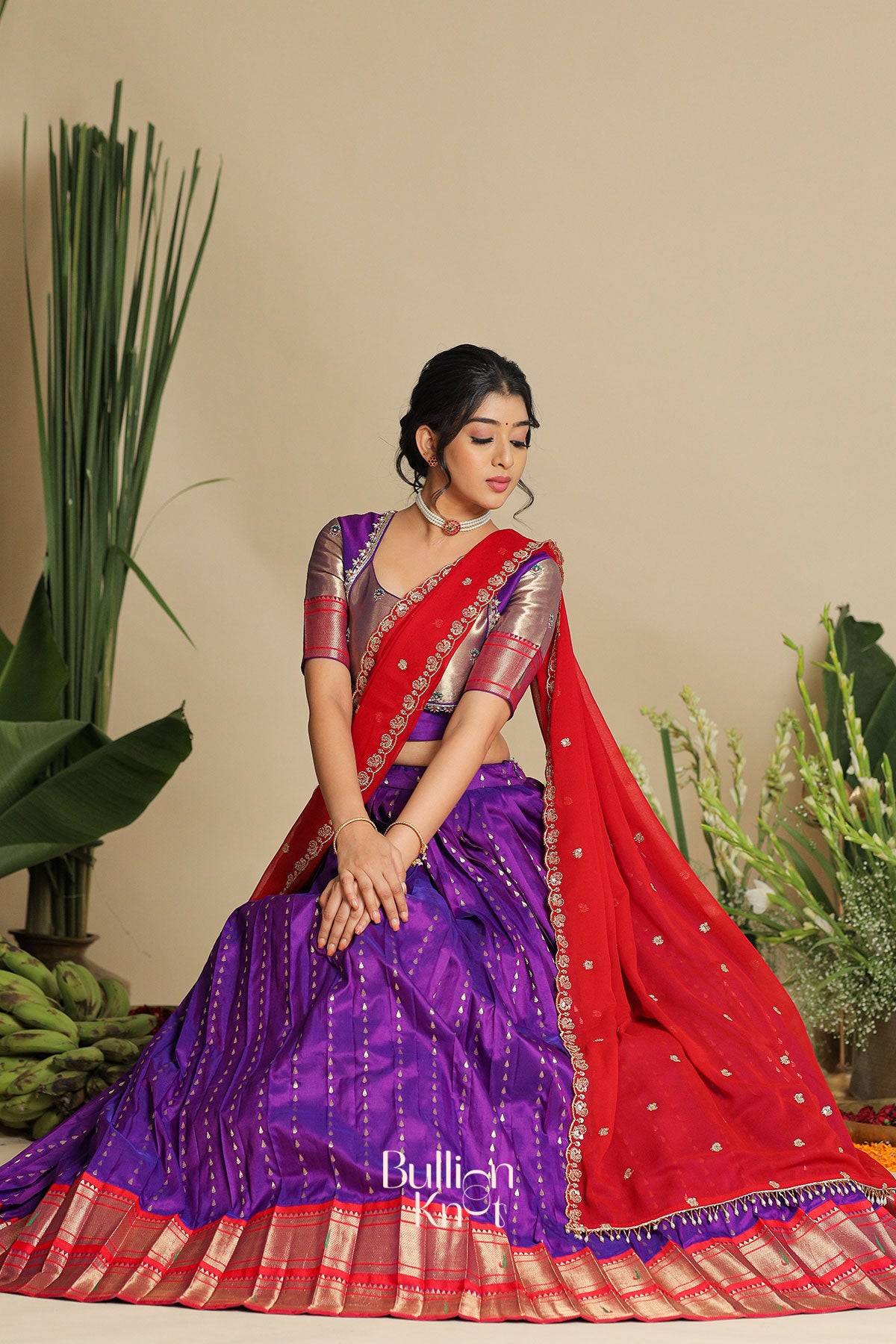
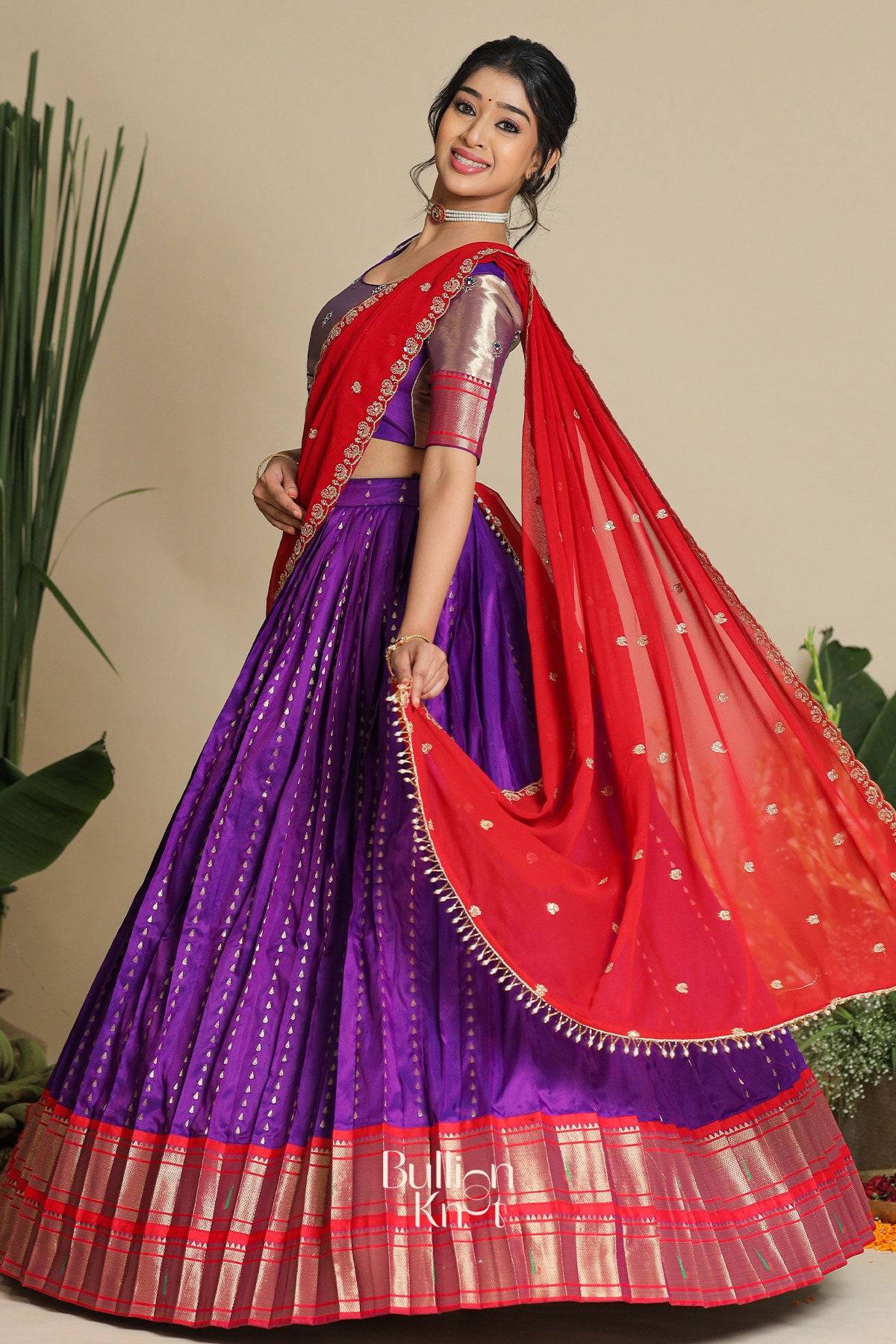
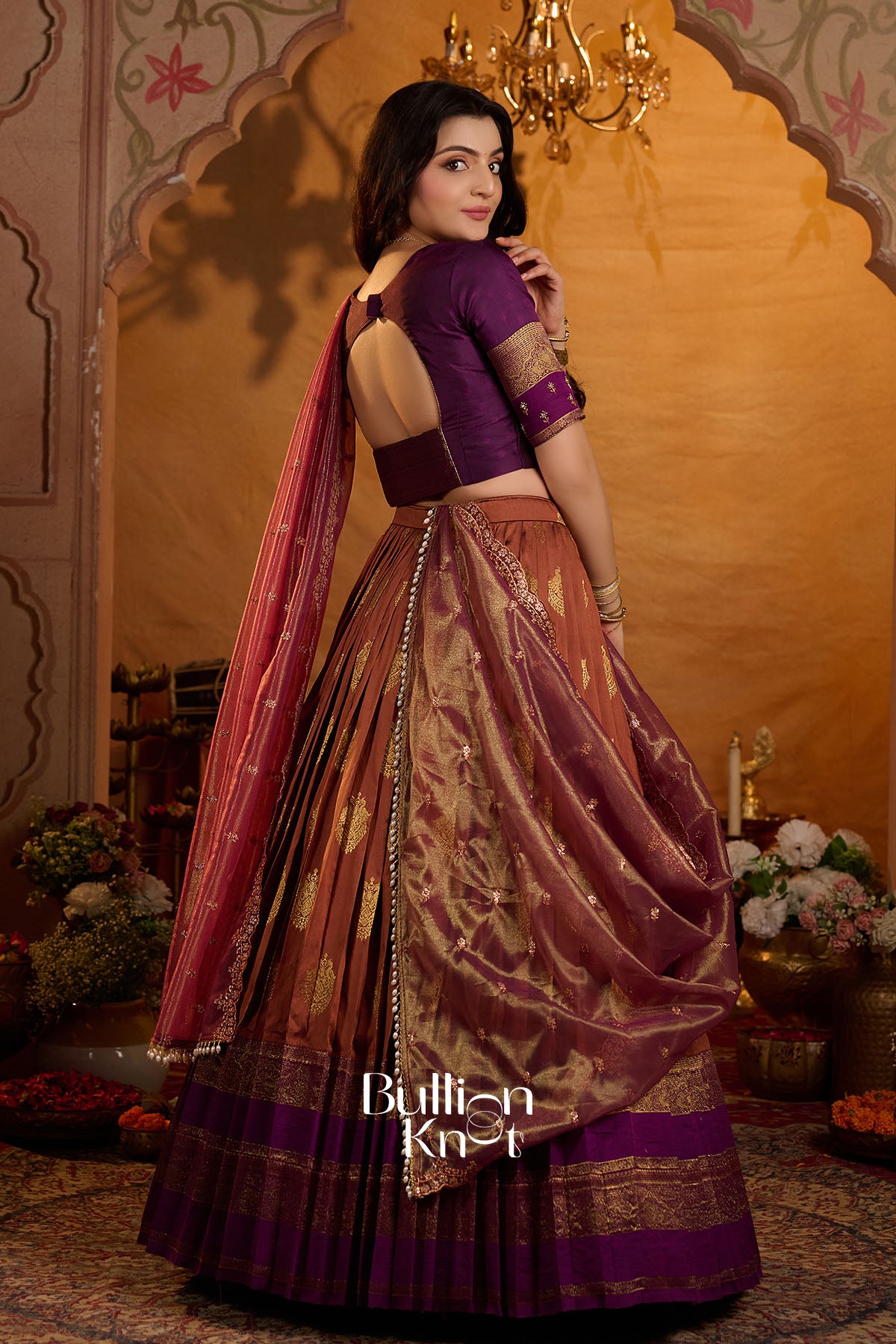
Banarasi Lehenga for women remains one of the eternal options to choose from. Nobody will ever purchase a Banarasi Silk Lehenga for no reason other than the fact that at the very moment of picking it up, he or she realises. It isn't a rational choice, but it is a recognition.
And there lies the magic of this fabric. This cloth has existed for centuries now, and has seen everything come. As other materials become obsolete with time, Banarasi continues to flourish. Banarasi Silk Lehenga for weddings still is the first choice, and has people's hearts wrapped around it.
Banarasi silk is woven in Varanasi, also known as Banaras. This art form has been in existence for more than 500 years and is handed down from generation to generation, similar to any recipe or folklore.
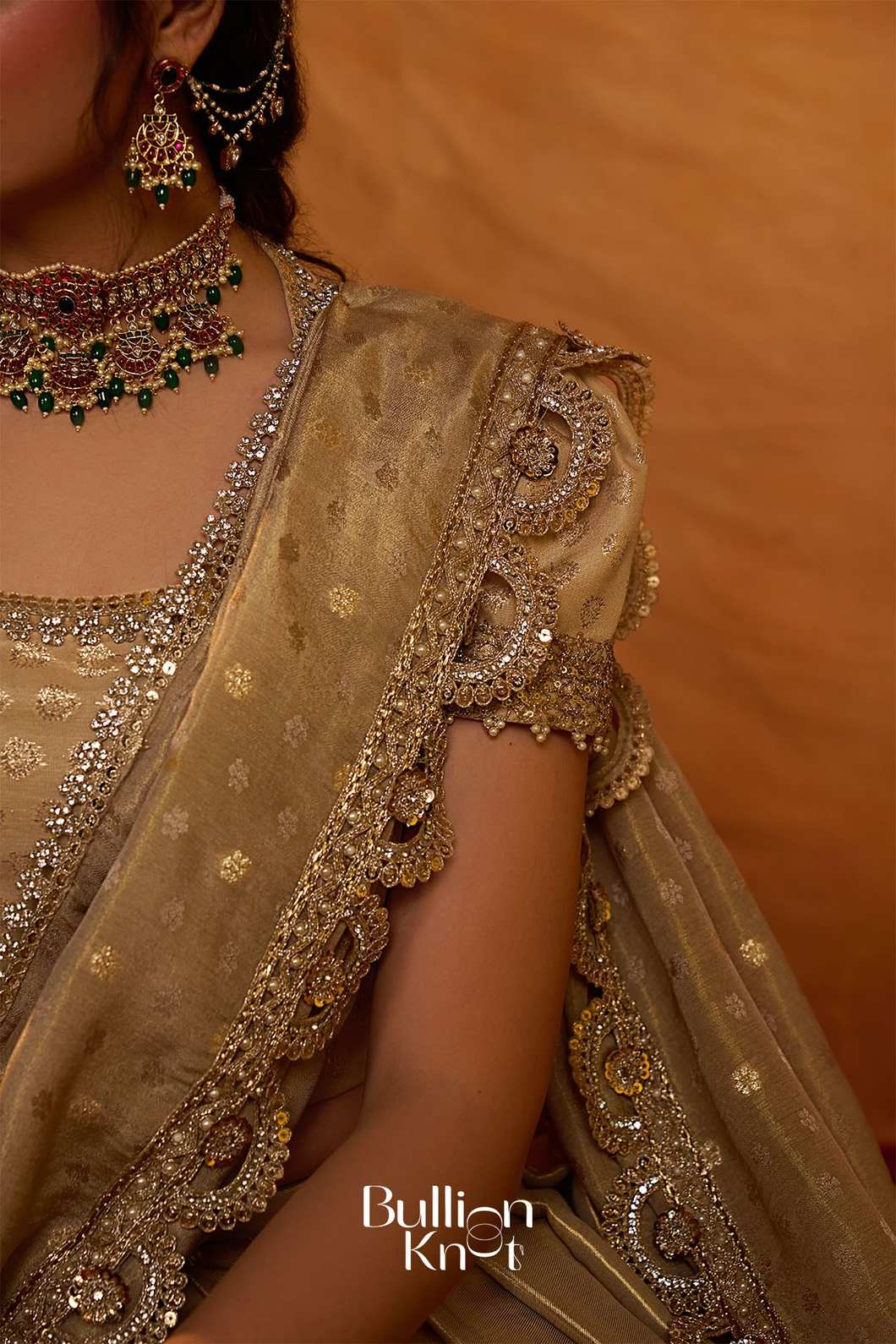
This type of fabric involves intertwining fine silk yarns with zari yarns made up of gold or silver thread and is woven using handlooms, requiring several weeks of hard work to weave one cloth. The designs follow a unique visual symbolism, namely kalga (tear-drop mango design), jangla (an extravagant flora pattern), butidar (design elements scattered all over the cloth background), and shikargah (elaborate hunting scene designs that require the most amount of work).
That which cannot be replicated by machines, regardless of their level of advancement, is the ability of Banarasi silk to reflect light. It doesn't just reflect, it glows from inside the weave. Synthetics shimmer, Banarasi illuminates. The difference is immediately obvious to anyone who's handled both, and it's the reason the fabric carries a GI (Geographical Indication) tag, a legal protection that means only fabric produced in the Varanasi cluster can carry the Banarasi name.
Today, many brides prefer to buy Banarasi lehengas online in India to explore a wider range of designs, from heritage weaves to modern silhouettes that still hold traditional value.
Every few years, a new fabric becomes "the bridal choice." Georgette had its moment, and raw silk had a very long one. Velvet keeps cycling back, but despite all that, none of these fabrics has ever managed to replace Banarasi silk in terms of importance when it comes to bridal attire, neither in North India, nor in South India, nor even increasingly anymore, elsewhere.
Whether it's chosen as a Banarasi lehenga for women attending weddings or as a bride's main outfit, the fabric carries a presence that very few materials can replicate.
Banarasi silk takes photographs better than most bridal silks, and its zari work never blows out under flash photography. It maintains its depth under bright light from a mandap and makes each picture warmer than any synthetic material can match. This is especially important considering how long brides have to stay under the camera for, at least 6 to 8 hours on average.
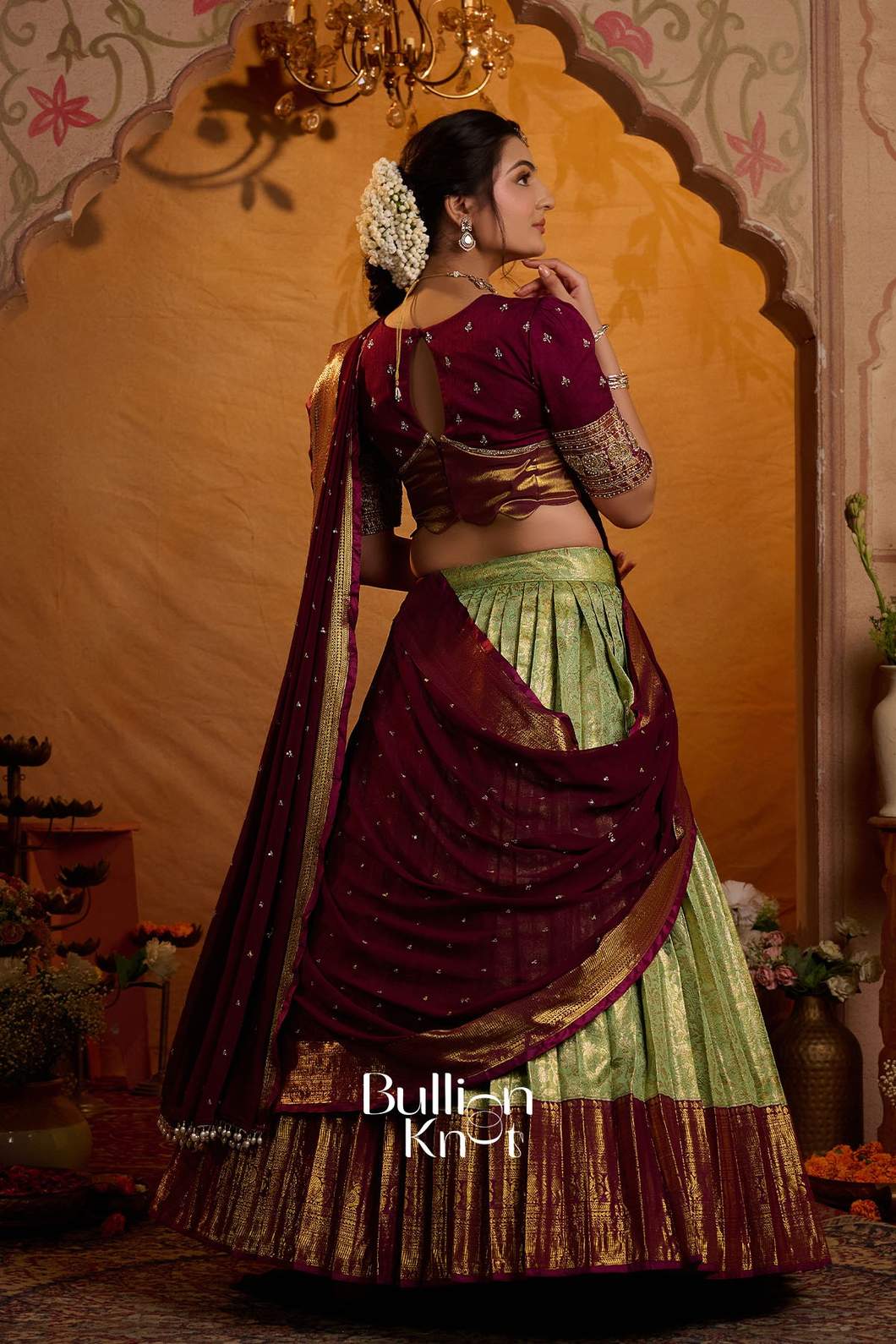
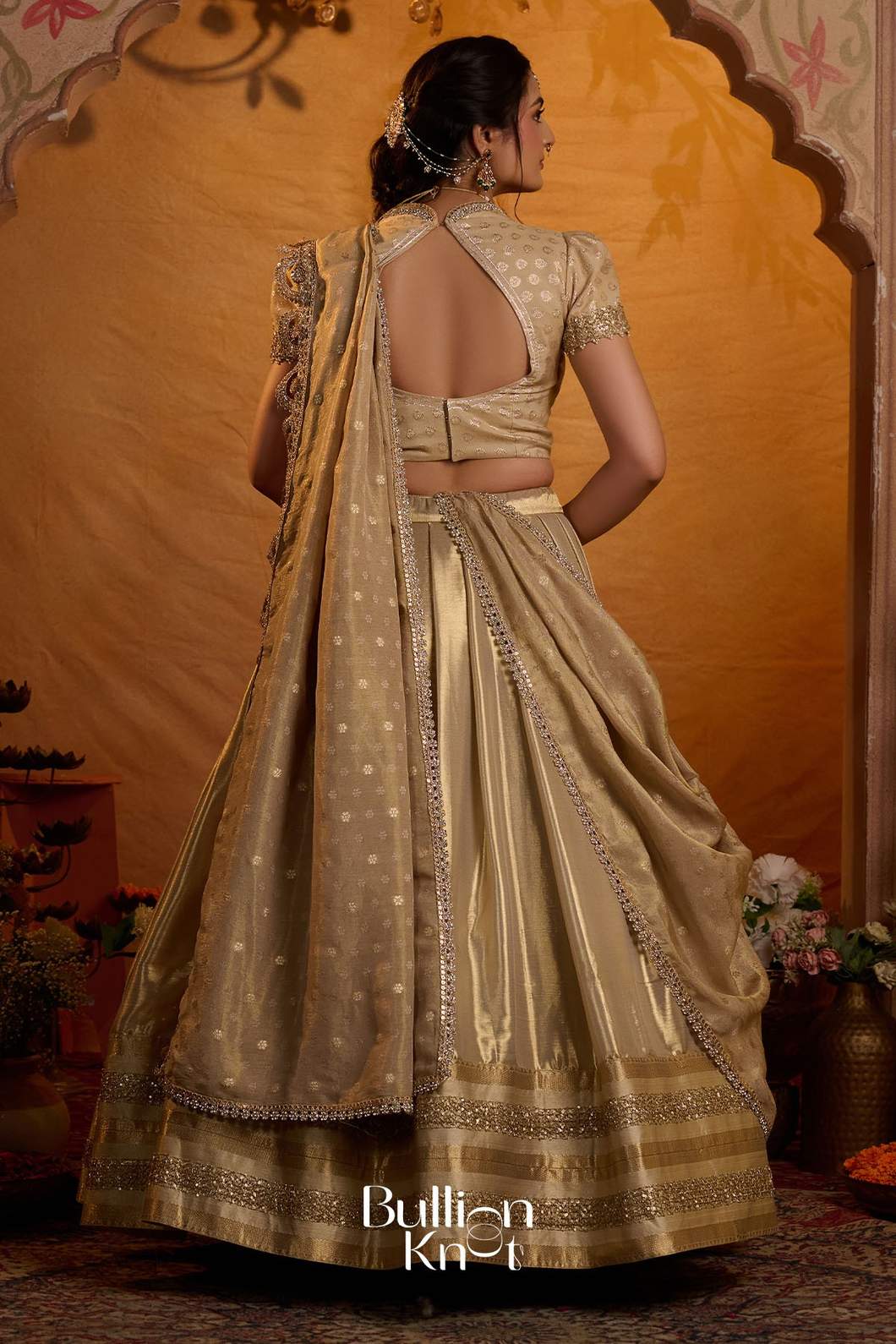
The drape holds. Because the fabric has real structural weight, your lehenga silhouette stays exactly where it should be through rituals, through the ceremony, through hours of standing, sitting, bending, and embracing everyone you love. You're not readjusting every twenty minutes. The dupatta rests naturally. The flare keeps its shape.
However, after being worn at the wedding, this piece of cloth is bound to mature rather than deteriorate. A patina will form on the silk material, the zari will soften somewhat, and you'll essentially wear an heirloom rather than a dress. Not infrequently, ladies attend their weddings dressed in their mother's Banarasi wedding dress. And rightly so.
Not every wedding function calls for the same version of Banarasi. The fabric exists across a wide range of weights, colour palettes, and construction styles and knowing which to choose for which occasion saves you both money and energy.
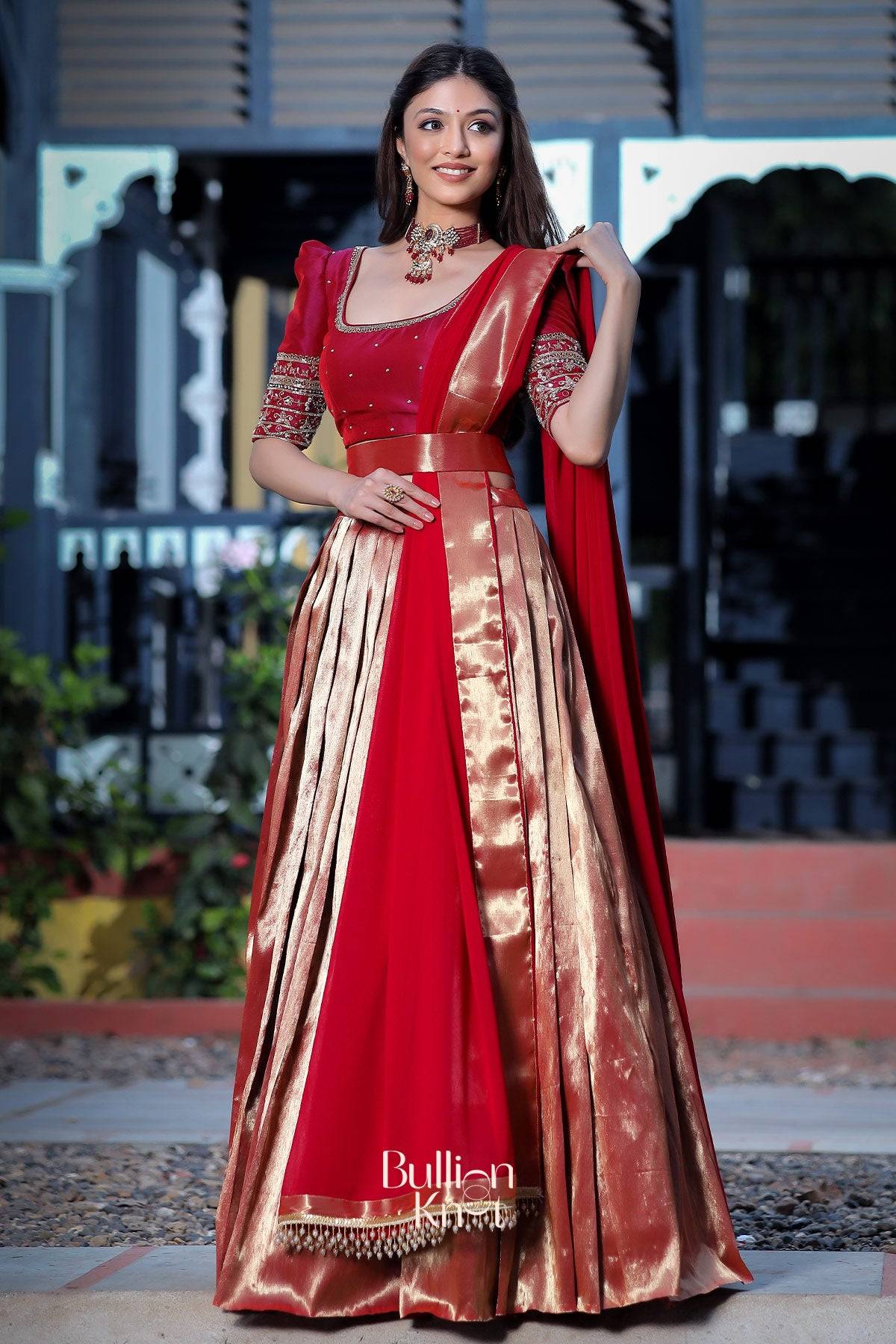
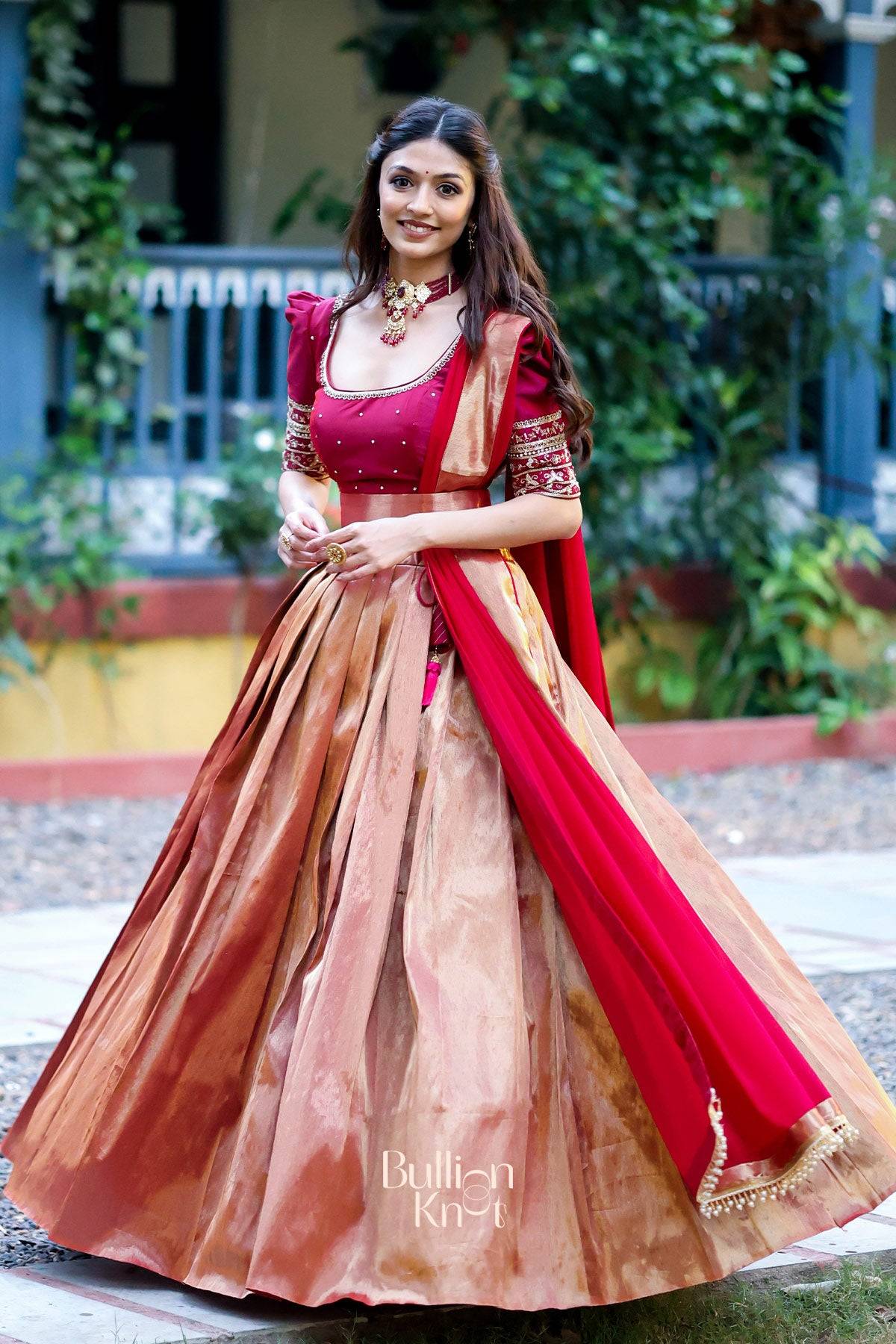
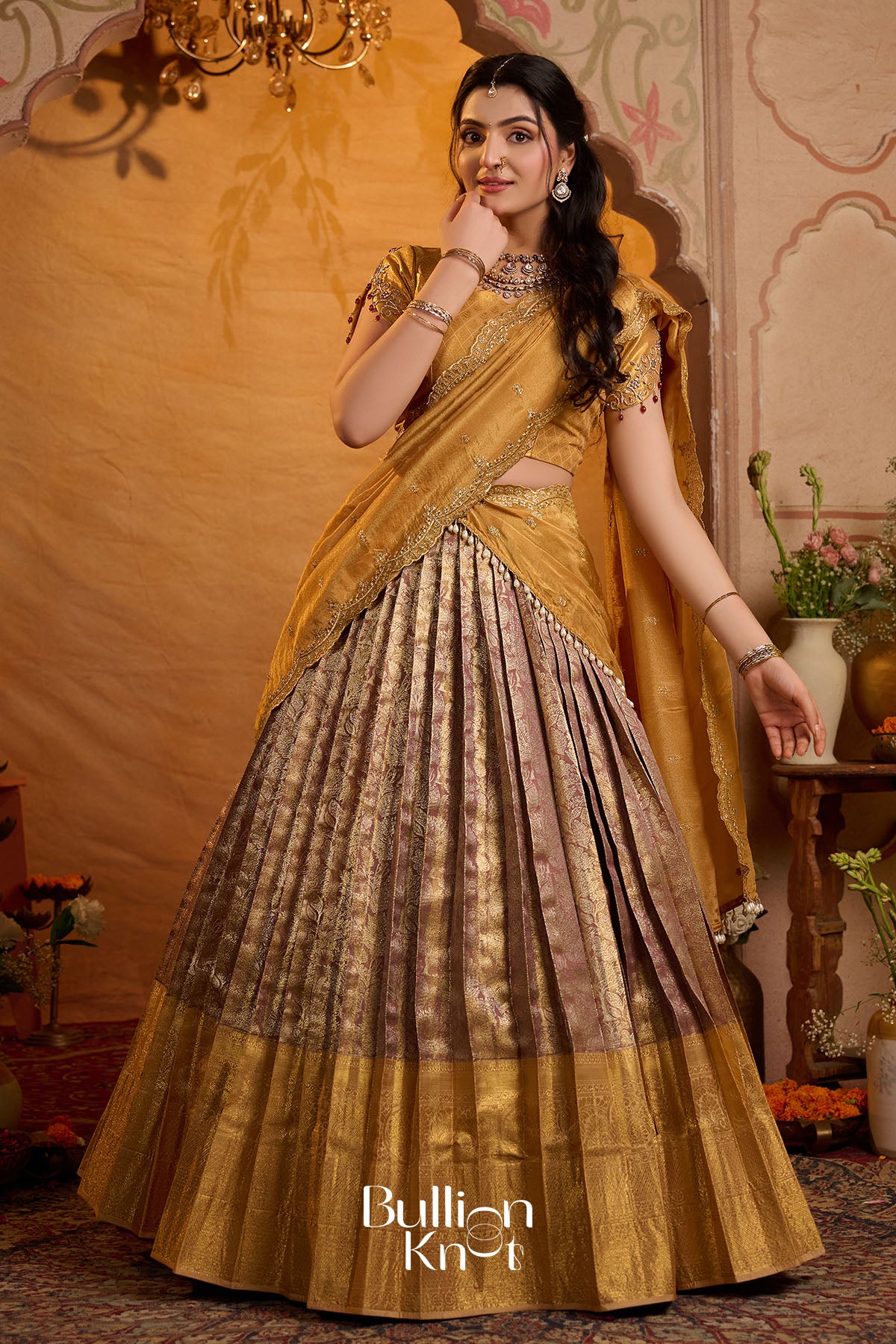
For the ceremony itself, the pheras, the muhurtham, the rituals that photographs will document for the next fifty years, go with the deepest, richest option you can find. Deep red, dark maroon, and burgundy with dense gold zari are traditional for good reason. They hold up across both daylight and artificial lighting. They read with gravitas in photographs. They work against marigold, rose, and tuberose décor without competing.
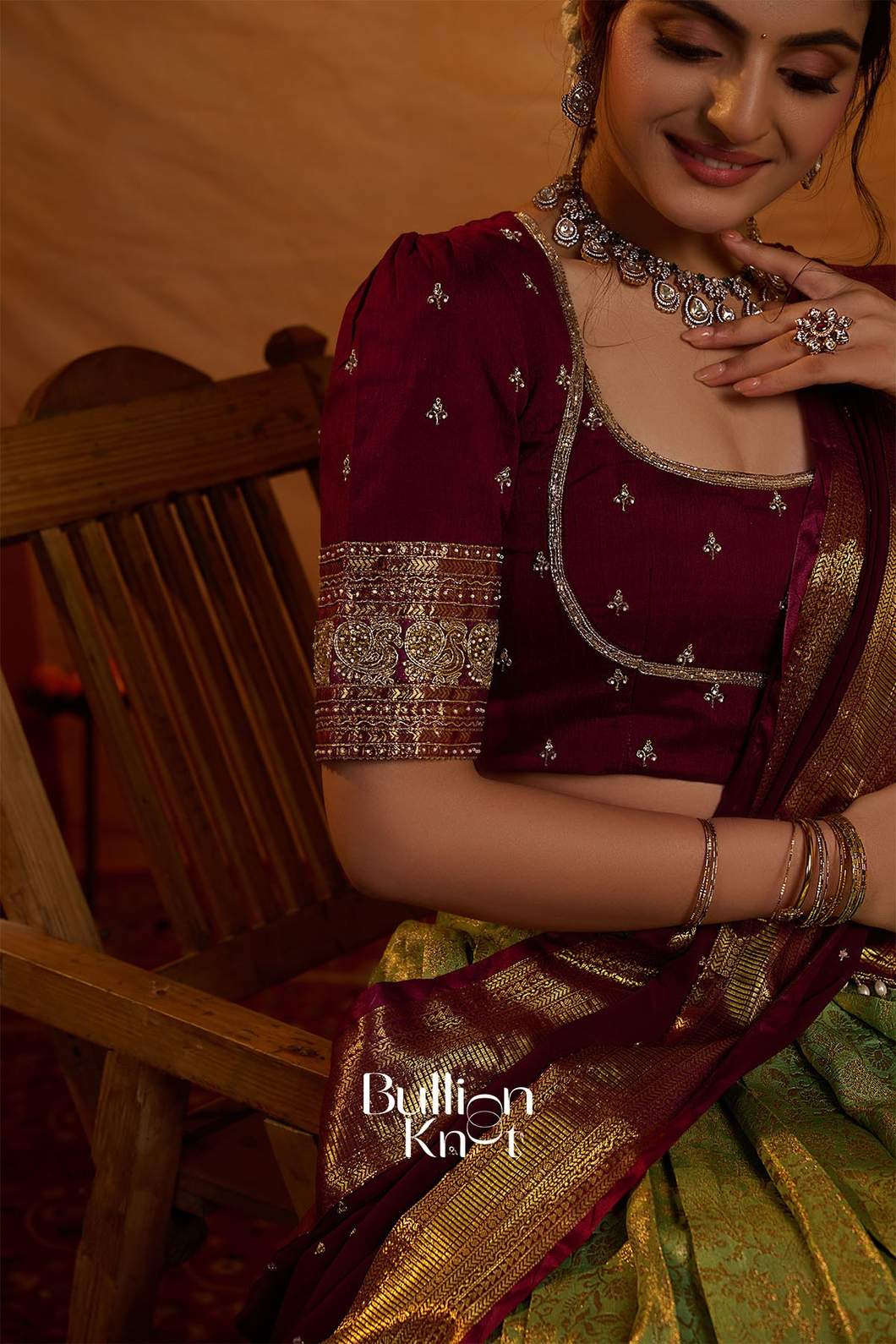
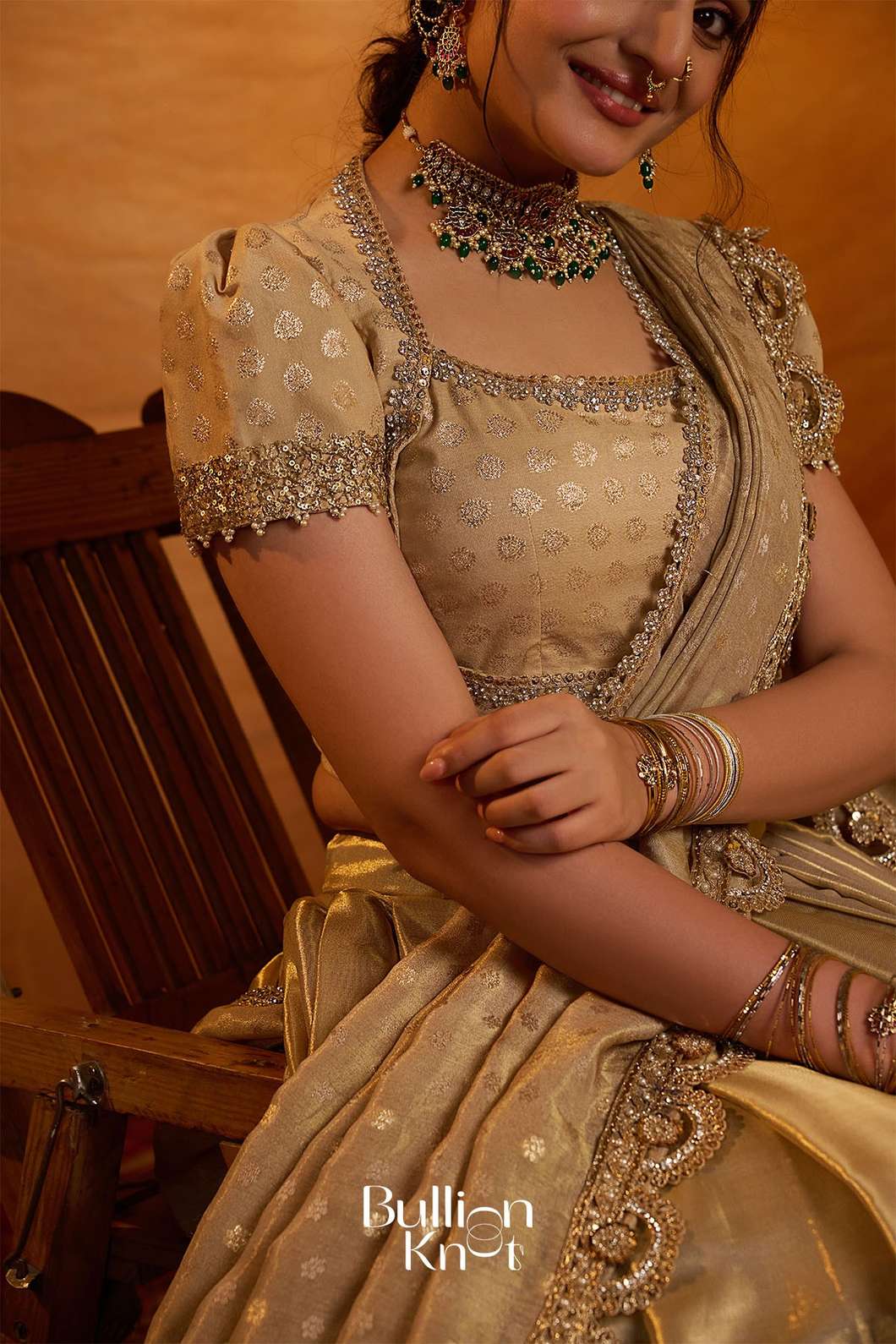
Motif choice matters here, too. Dense jangla or butidar weaves with generous zari coverage give the fabric maximum visual depth. Wide, heavily worked borders frame the silhouette in a way that simpler lehengas don't. The blouse can afford to be more traditional in cut, fitted, high-backed, or full-sleeved for brides who prefer coverage during rituals.
If there's one place in your entire wedding wardrobe budget that deserves full allocation, it's this one.
The reception, Banarasi, is where things get more interesting. Brides are choosing wine, dusty ivory, deep navy, and forest green increasingly often, with embellishment layered over the base weave rather than woven into it.
From stone-embellished blouses to borders lined with sequins, from contrasting dupattas tied in modern ways, all of that is possible without battling against the fabric. The Banarasi lehenga especially looks wonderful at South Indian weddings due to its ability to blend the two different styles of weaving and styling.
Zari looks better in the evening light than during the day. The same effect can be achieved using candlelight or warm LED uplighting. If your reception has atmospheric, lower lighting, a deep-toned Banarasi will reward you in ways that heavily embellished lighter lehengas often don't.
The silhouette also opens up at a reception. Off-shoulder tops, cape dupattas, contemporary necklines, nothing goes against the grain of the fabric. Banarasi is conservative enough to make any outfit respectable and stylish enough not to be intimidated by modern styling.
Sangeet is where you get your breath back. Lighter Banarasi blends - silk combined with georgette or crepe backing - give you the visual richness with significantly more movement, which you'll need if there's actual dancing. Banarasi Silk Saree for the Sangeet, in all its glory, is one saree that you are sure to adore in each and every second of the event.
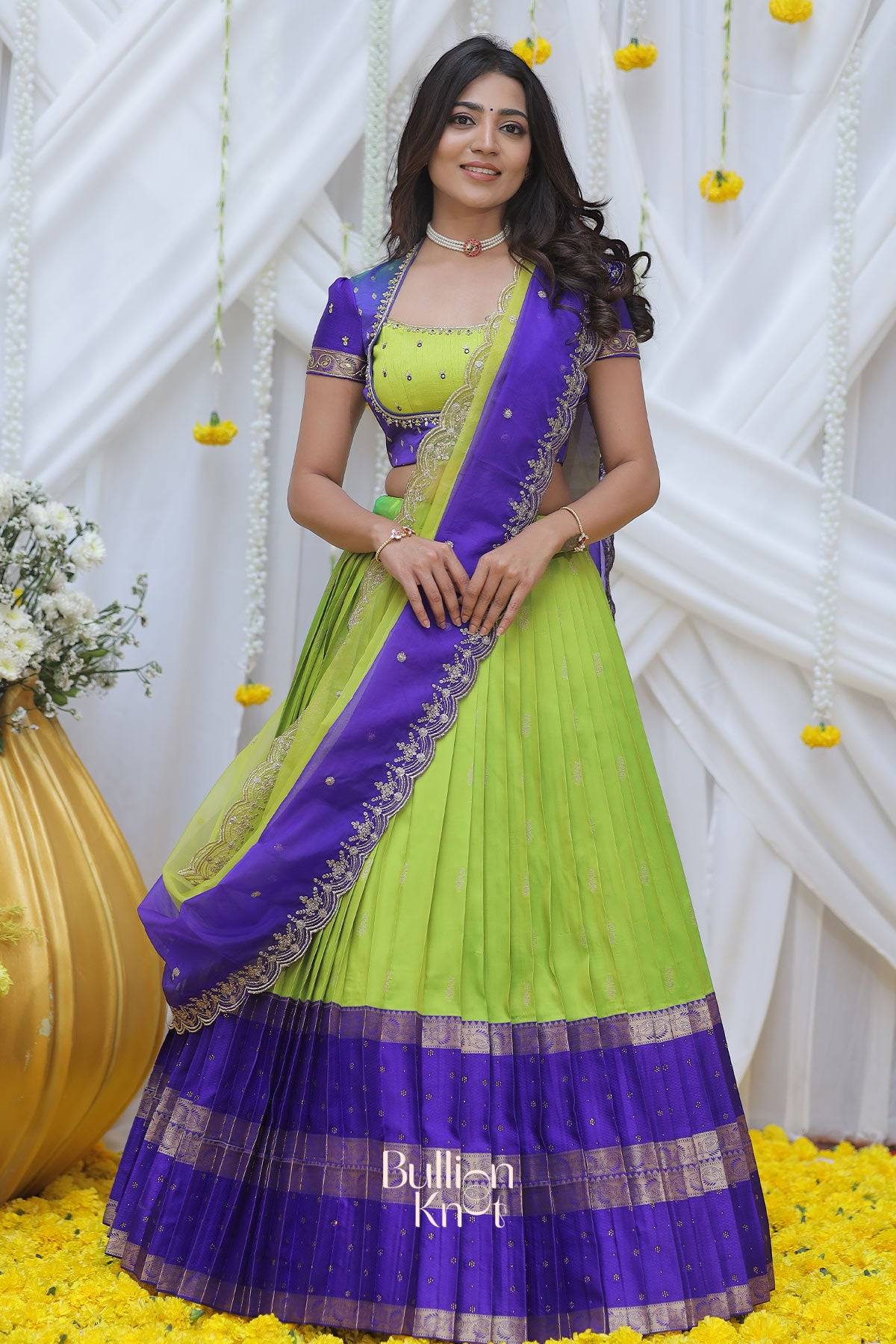
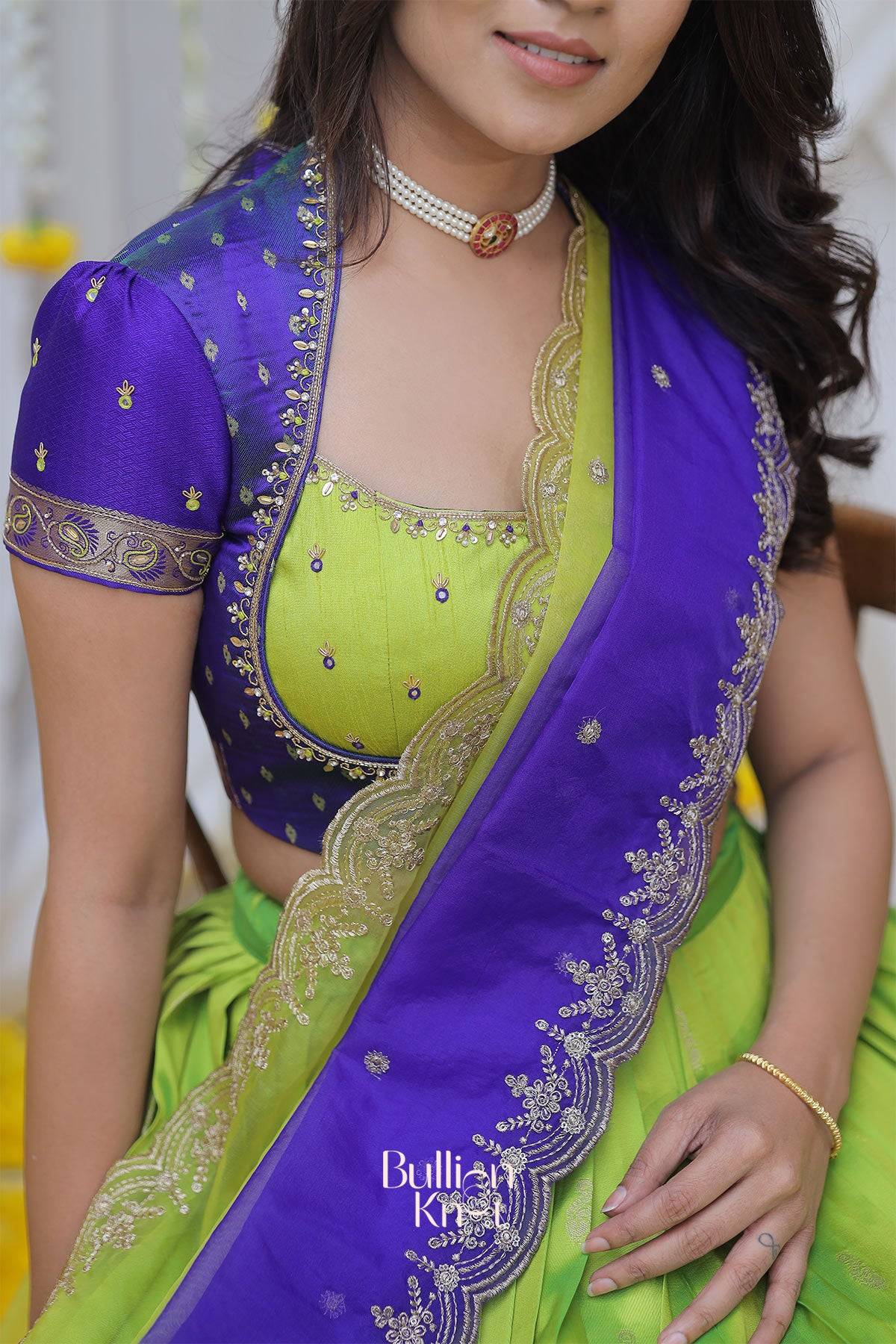
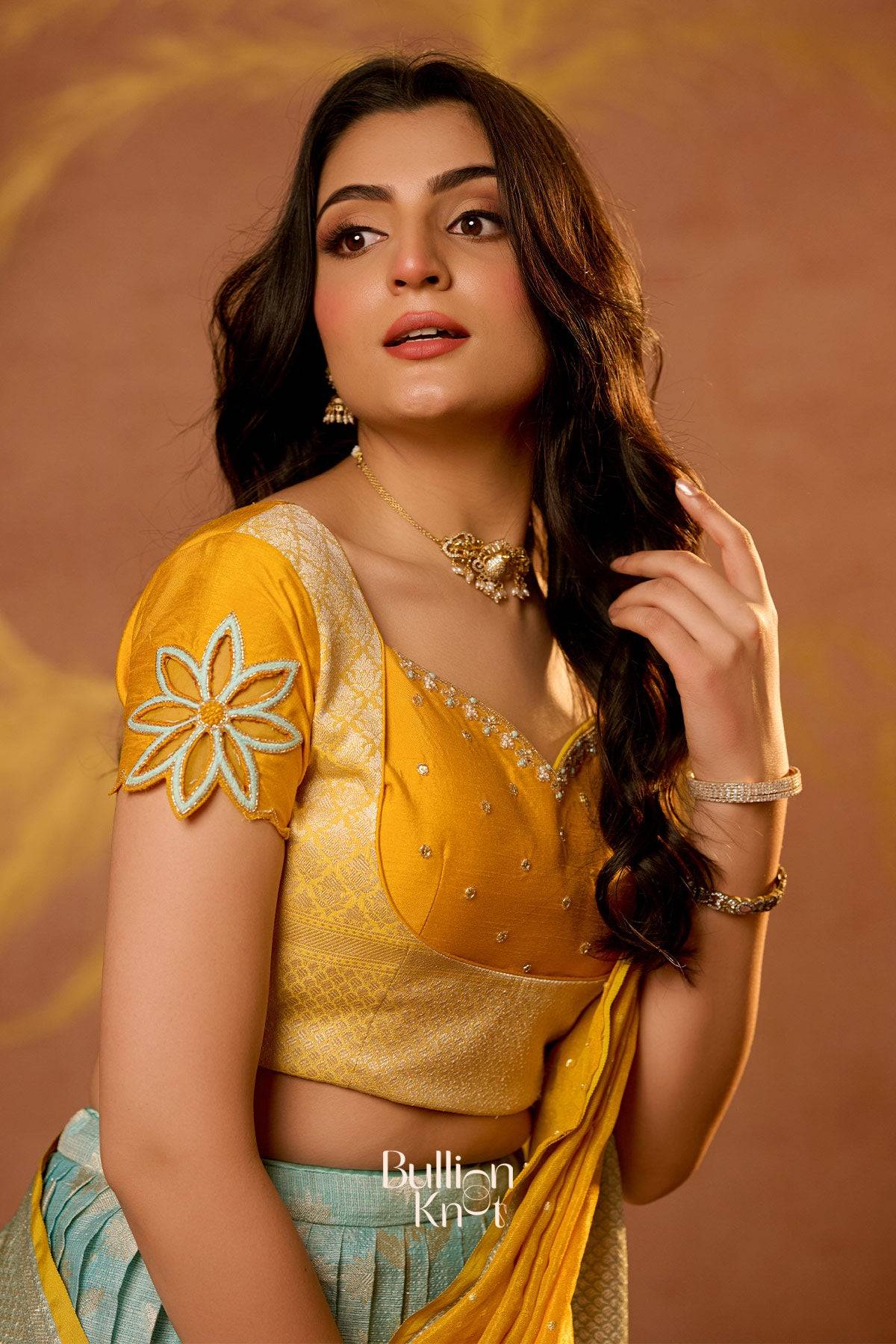
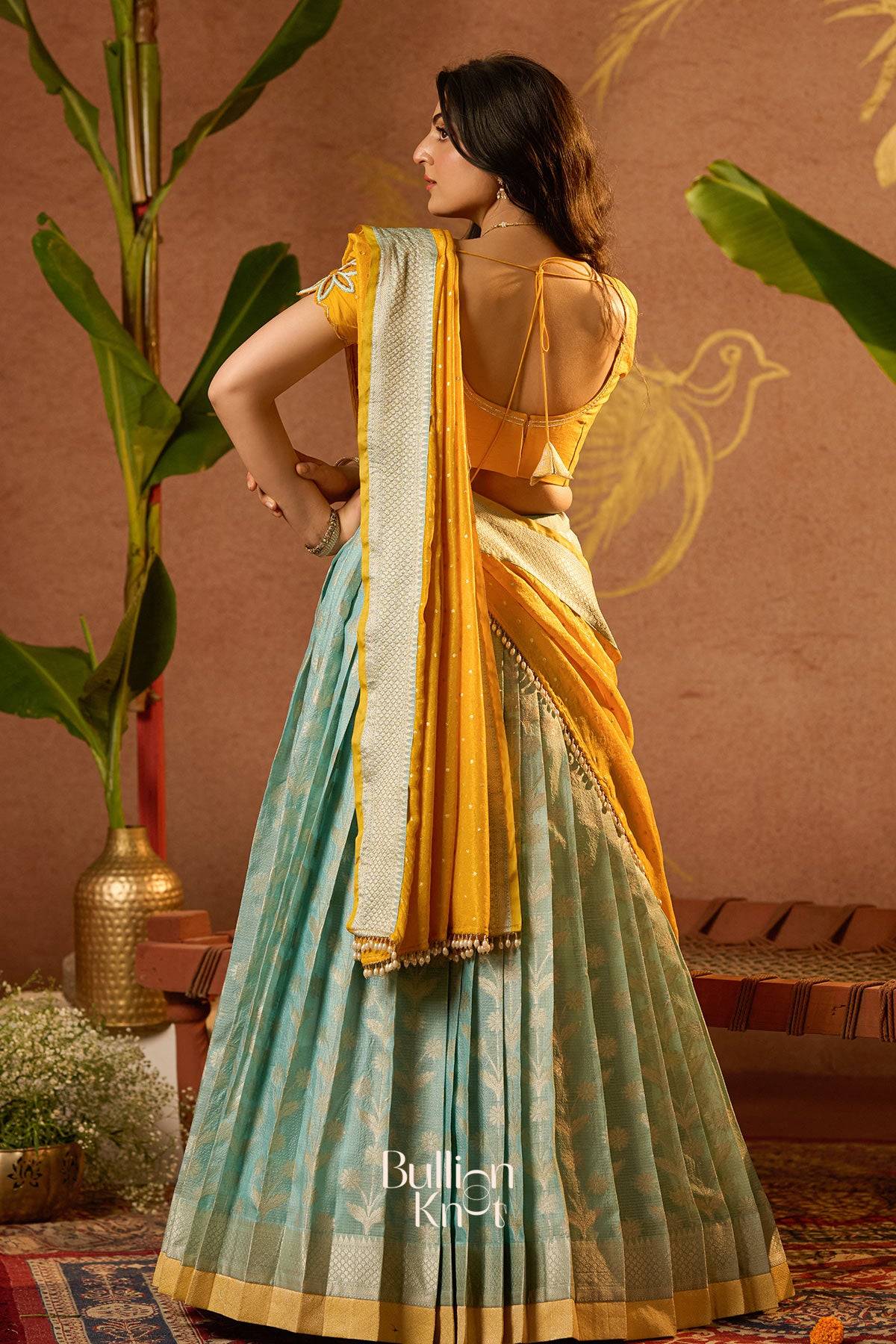
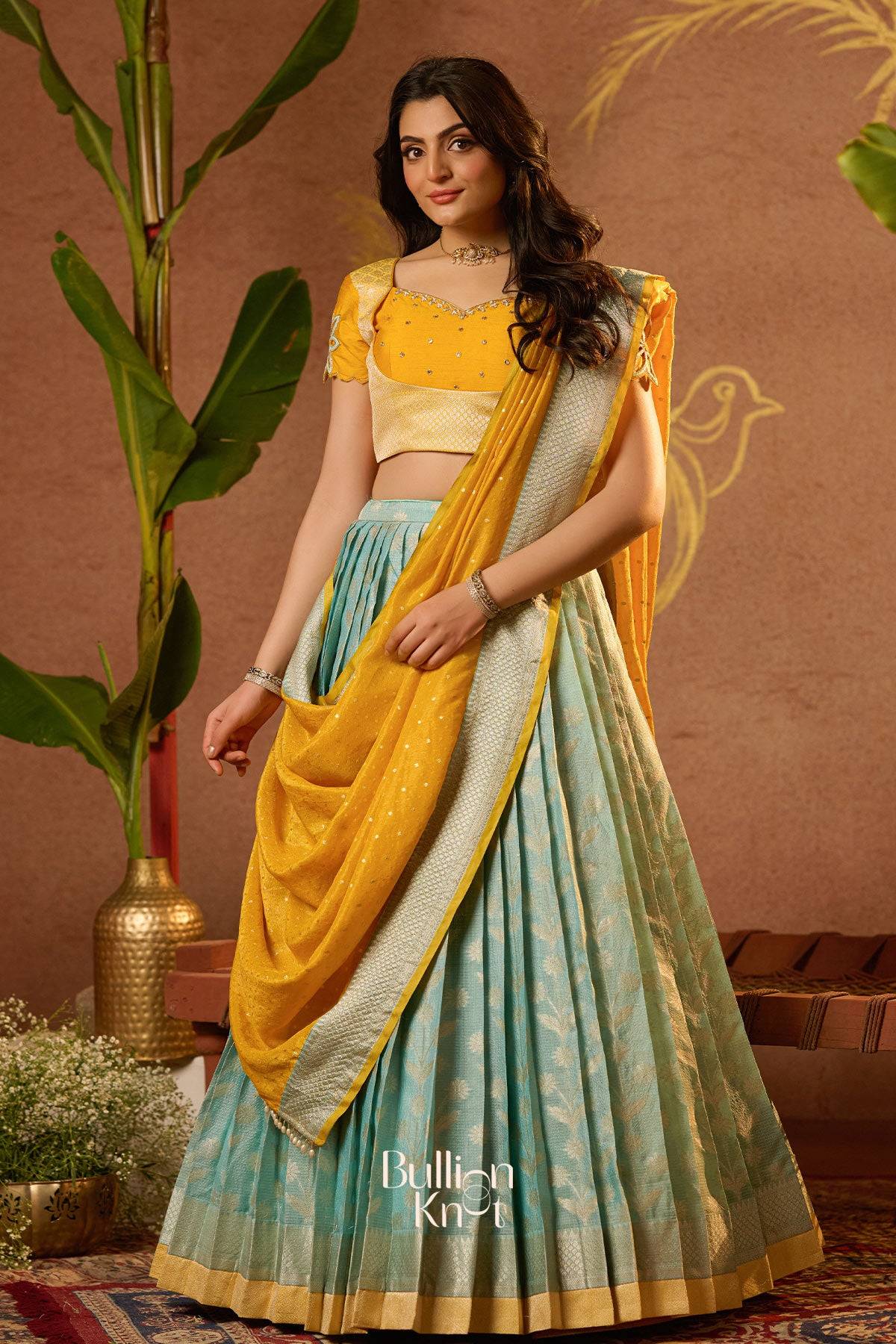
Other options for stronger colours could include mustard, deep blue, fuchsia, coral, and green. Contrasting tops and dupattas, along with attractive jewellery, are ideal with Banarasi silk material. Sangeet may be seen as a celebration of the Banarasi fabric being allowed some freedom to express itself beyond conventional boundaries. For lighter functions like sangeet, many brides also look for a Banarasi silk lehenga under ₹7,999, balancing affordability with visual richness.
Under ₹7,999: If your budget is below this figure, there is a fair chance that you have an imitation product made from artificial silk. Such sarees will have artificial zari and will resemble the authentic product. They make for beautiful mehendi wear, sangeet wear, or party wear. You will need to keep certain expectations in check, though, as such garments won't be durable or carry GI certification.
Under ₹9,999: This price range introduces some semi-silk sarees along with some entry-level pure silk sarees. The designs may not be too intricate, but the fabric will have the authentic Banarasi feel and will have better-quality zari. They would do nicely as bridesmaid dresses or outfits for other events.
Wrap it in muslin, never plastic, which holds moisture and damages the zari quicker than just about anything else. Fold it flat, don't hang it because the weight of a substantial Banarasi will stress seams over time if kept on a hanger. Dry clean it alone, and always alert the cleaner to its embellished zari. Air it in the shade after each wearing before folding it up again. Iron over a piece of cloth, or better, let a professional do it.
With proper care, this lehenga will outlive the special event it was made for. That's kind of the idea.
This is what your Banarasi silk lehenga requires from you: patience, perhaps some extra height, and an understanding, while you are wearing it, of how much went into making it happen. This is what your Banarasi silk lehenga gives you: the sense, when you are the focus of countless photographs, of being exactly where you need to be, dressed exactly the way you need to dress all along.
Pure Banarasi uses natural silk threads with real zari and carries a GI tag. Art silk is synthetic, usually viscose or polyester, with machine-woven metallic patterns. The difference shows clearly in weight, drape, and how the fabric catches light. For bridal wear, pure silk is worth the investment.
Yes. While Kanjivaram sarees remain the traditional South Indian bridal choice, Banarasi lehengas are increasingly worn for receptions, sangeets, and fusion-format weddings. The fabric's richness translates well across regional aesthetics without any cultural conflict.
Typically between 3 and 6 kilograms, depending on embellishment. For indoor, air-conditioned functions, it's manageable. For outdoor summer events, lighter Banarasi blends with georgette or crepe backing are a more practical choice.
Zari is native to the fabric and always works. Brocade borders complement the weave without competing. Use sequins sparingly; heavy sequin work overwhelms the existing intricacy of the weave. Let the fabric lead; embellishment should frame it, not cover it.
Check for GI certification, look for terms like "handloom" and "real zari," read reviews for comments on weight and feel, and treat suspiciously low prices as a red flag. Ask for a fabric swatch before committing to a purchase.
Yes, change the blouse, dupatta, and jewellery. A deep red Banarasi with a heavily worked blouse reads as ceremonial; the same lehenga with a modern blouse cut and lighter jewellery reads as reception-ready. It's a practical, economical, and genuinely elegant approach.
| Piercing Placement | Recommended Post Length | Common Gauge | Flat Back Benefit |
|---|

Our Fabric
Made with love using only
100% vegan fabric

Customer Services
Our team is available to
assist you 24/7.

Secure Payment
Your Payment Information
is Processed Securely

Crafted In India
Rooted and heritage,
Created with pride

