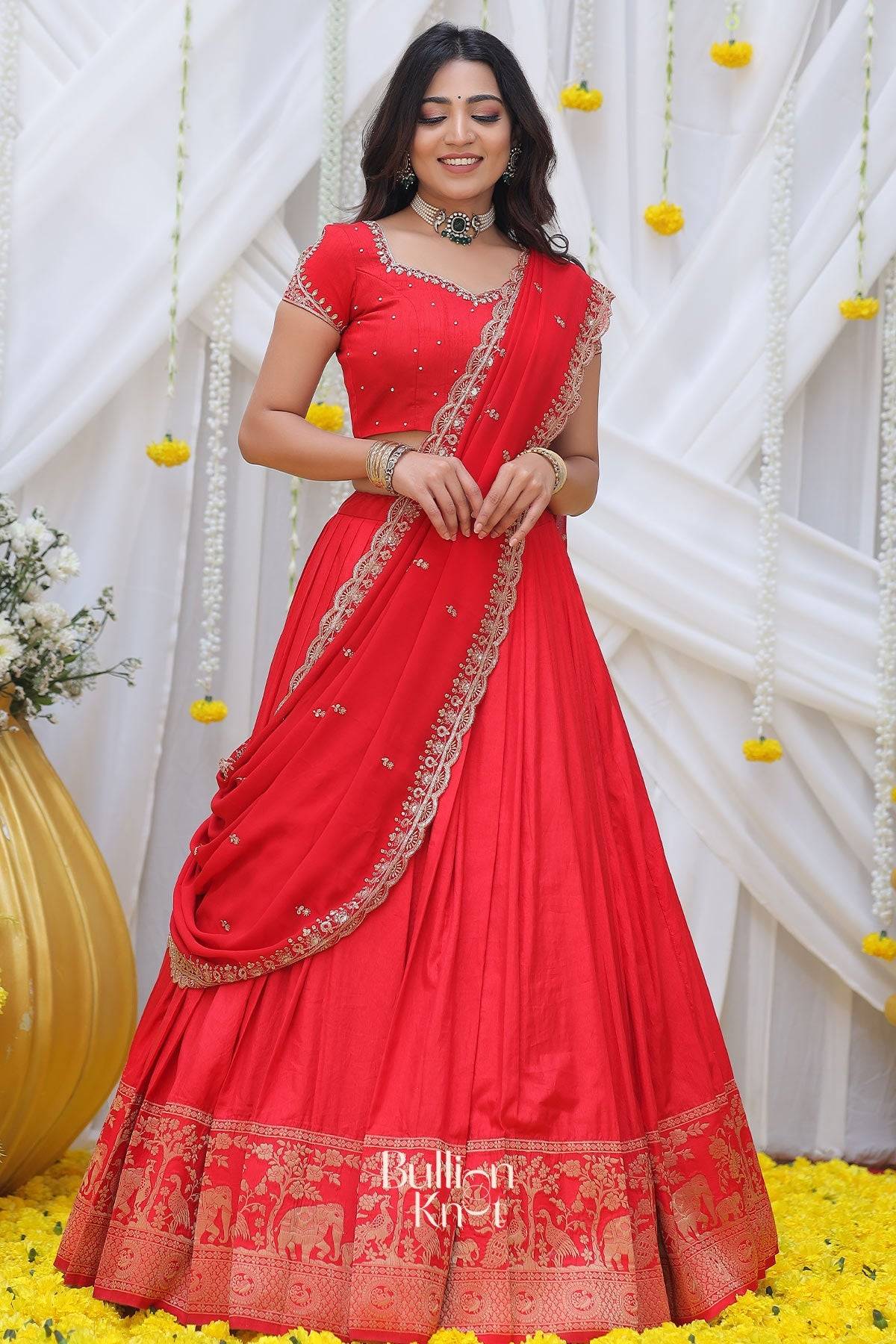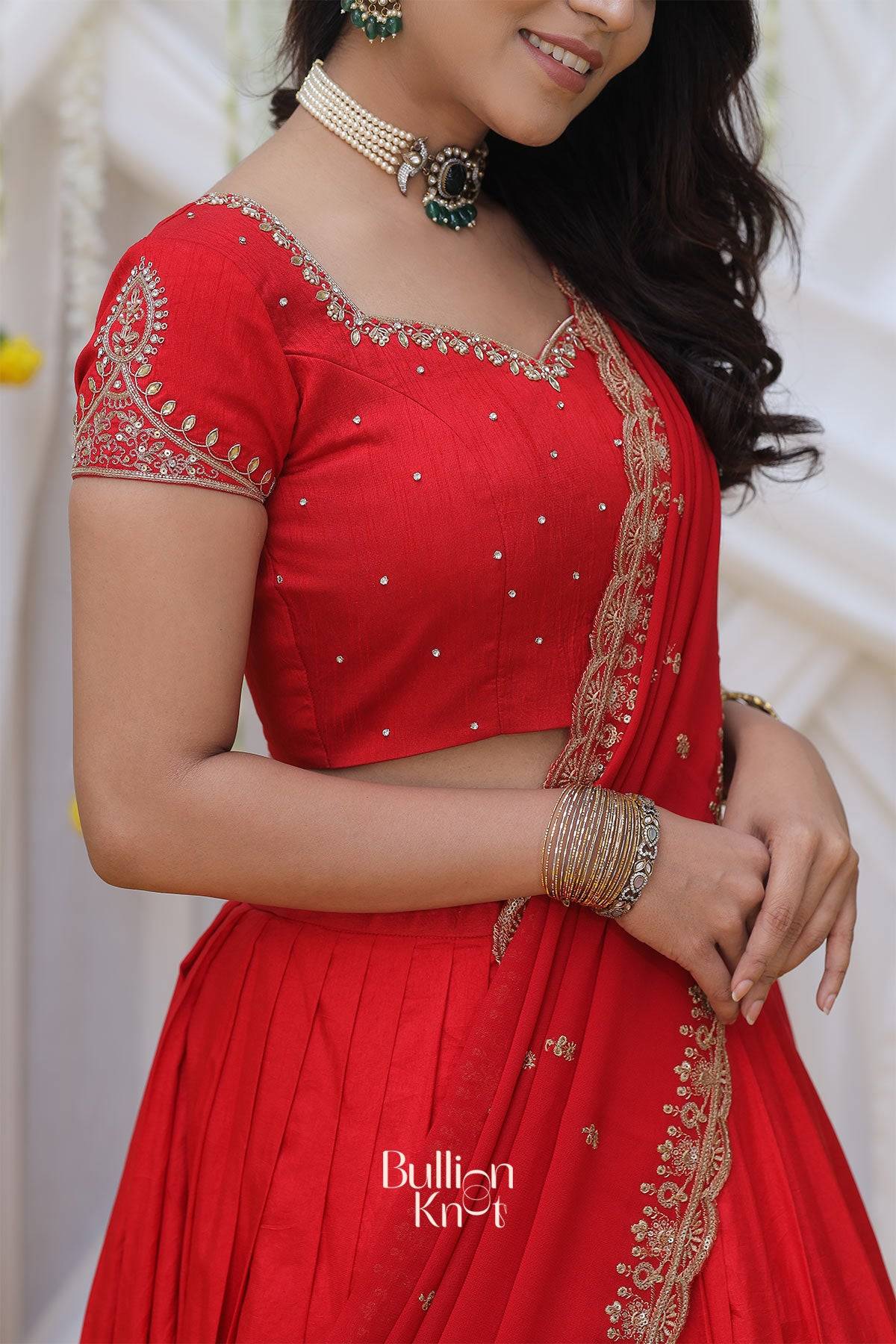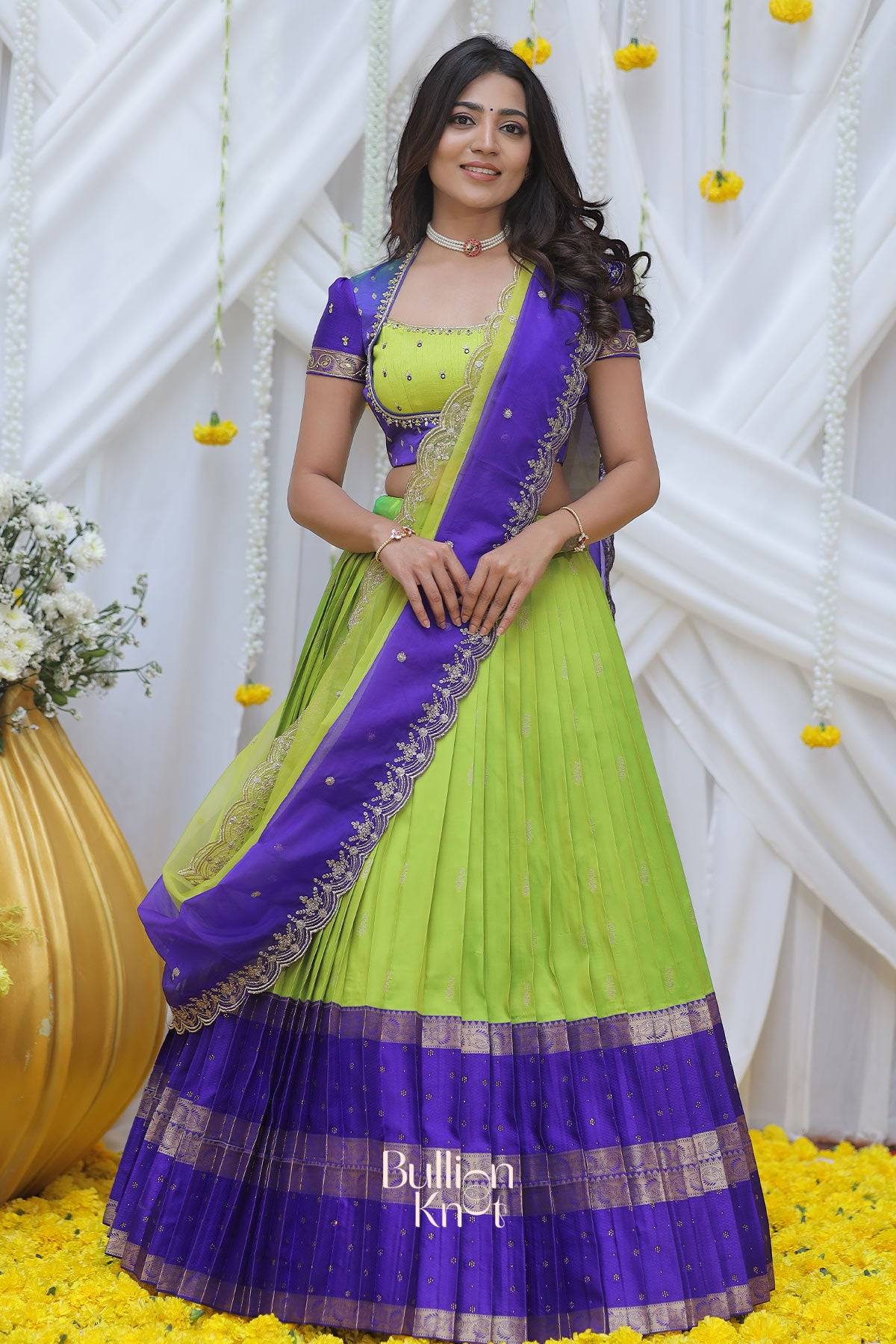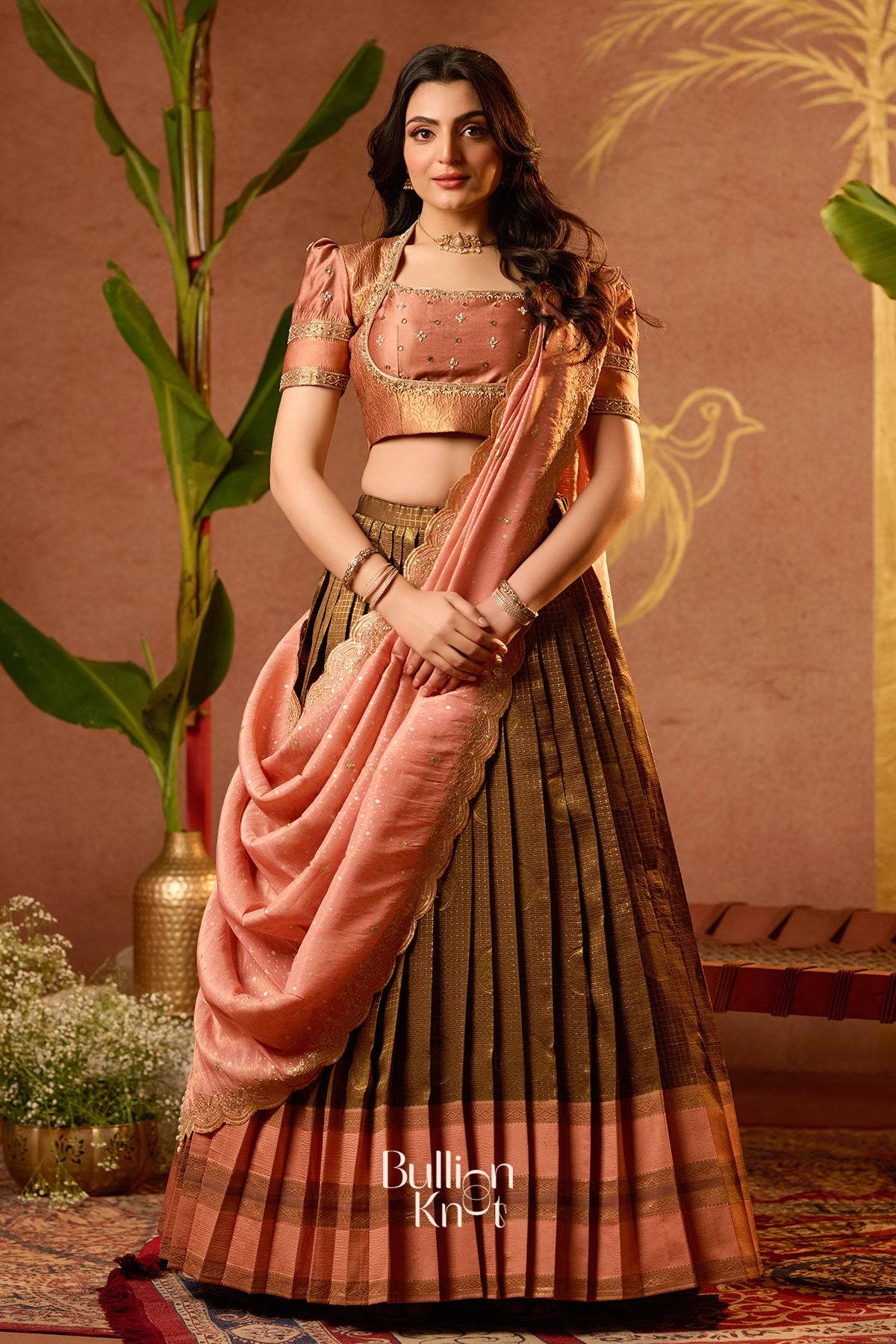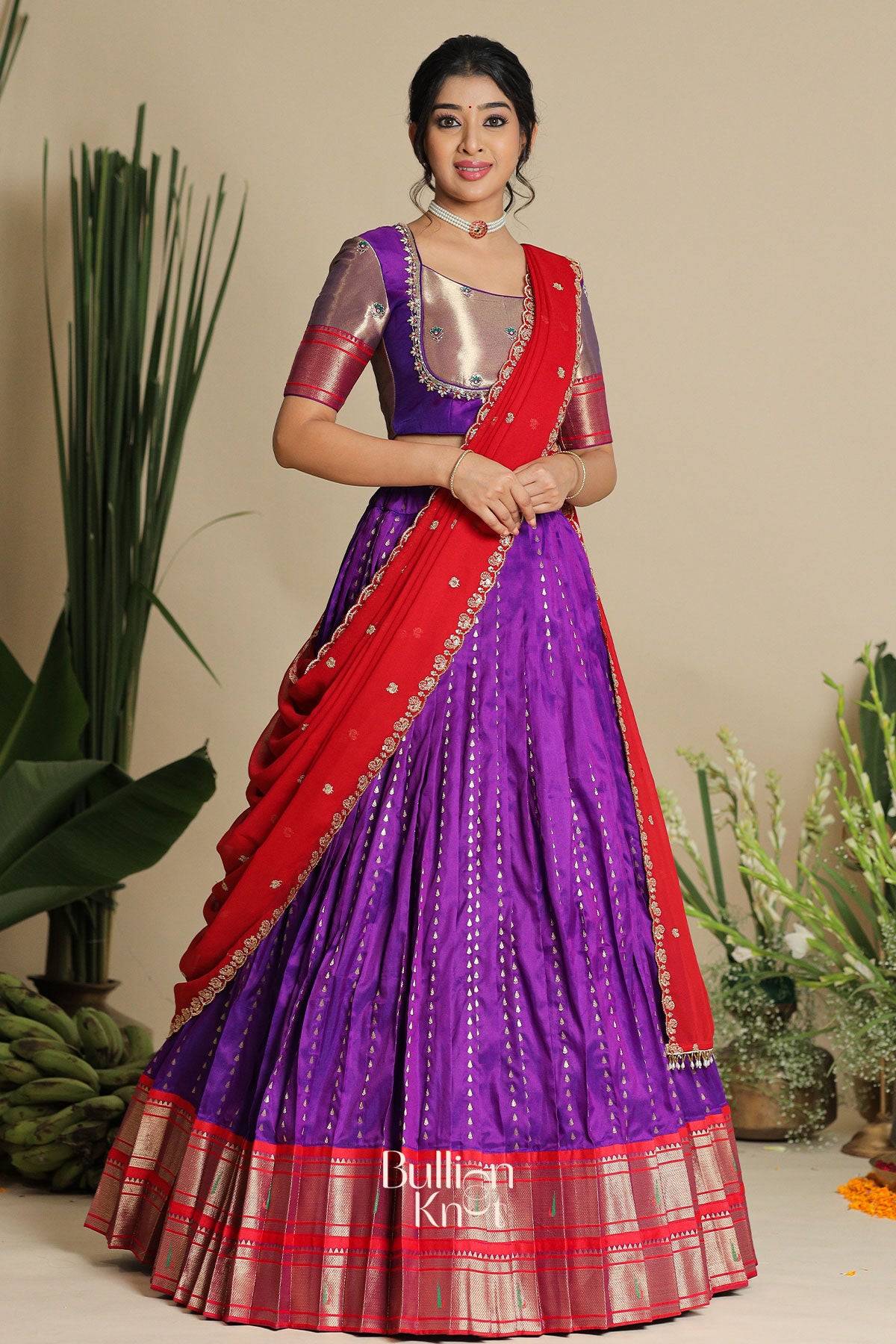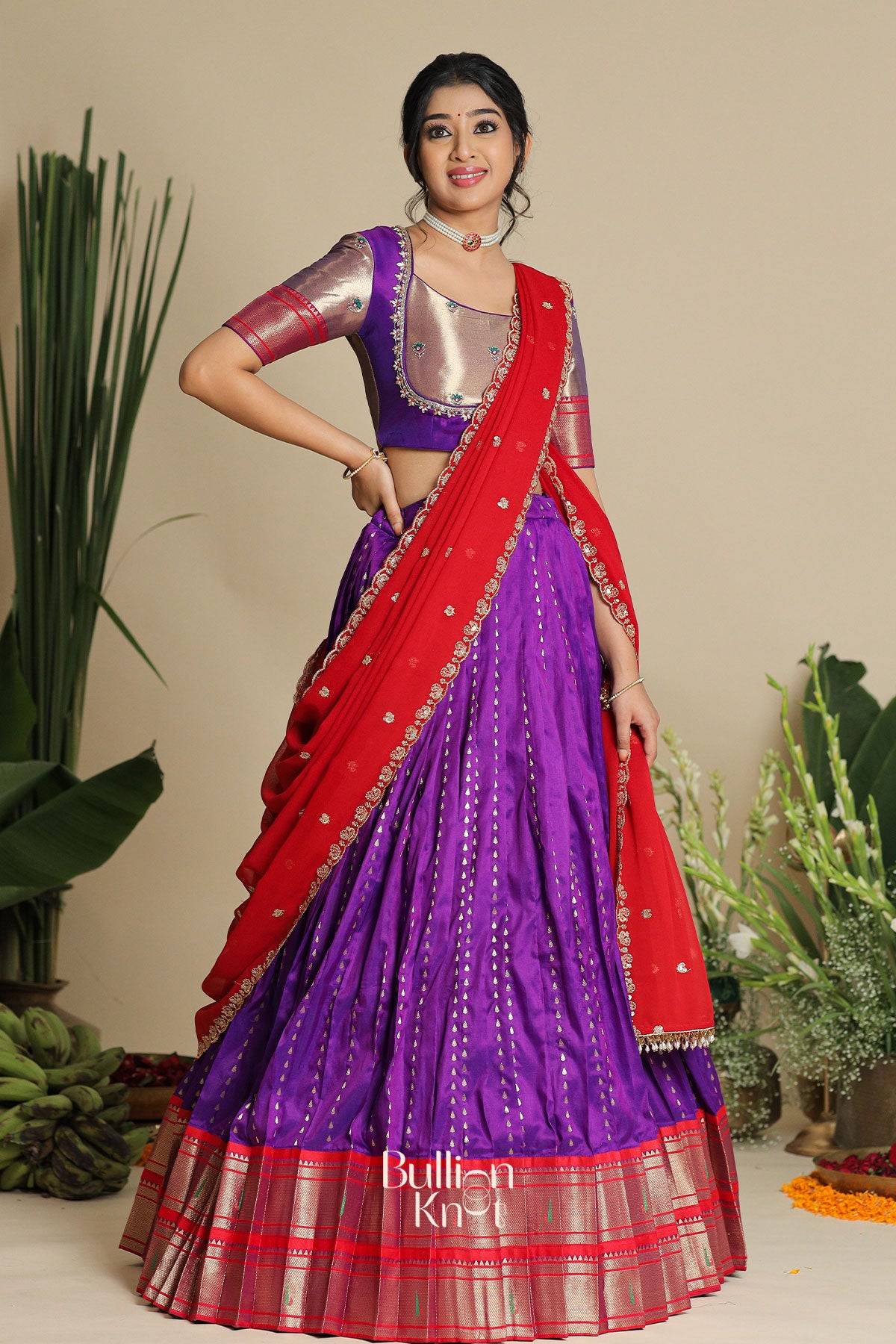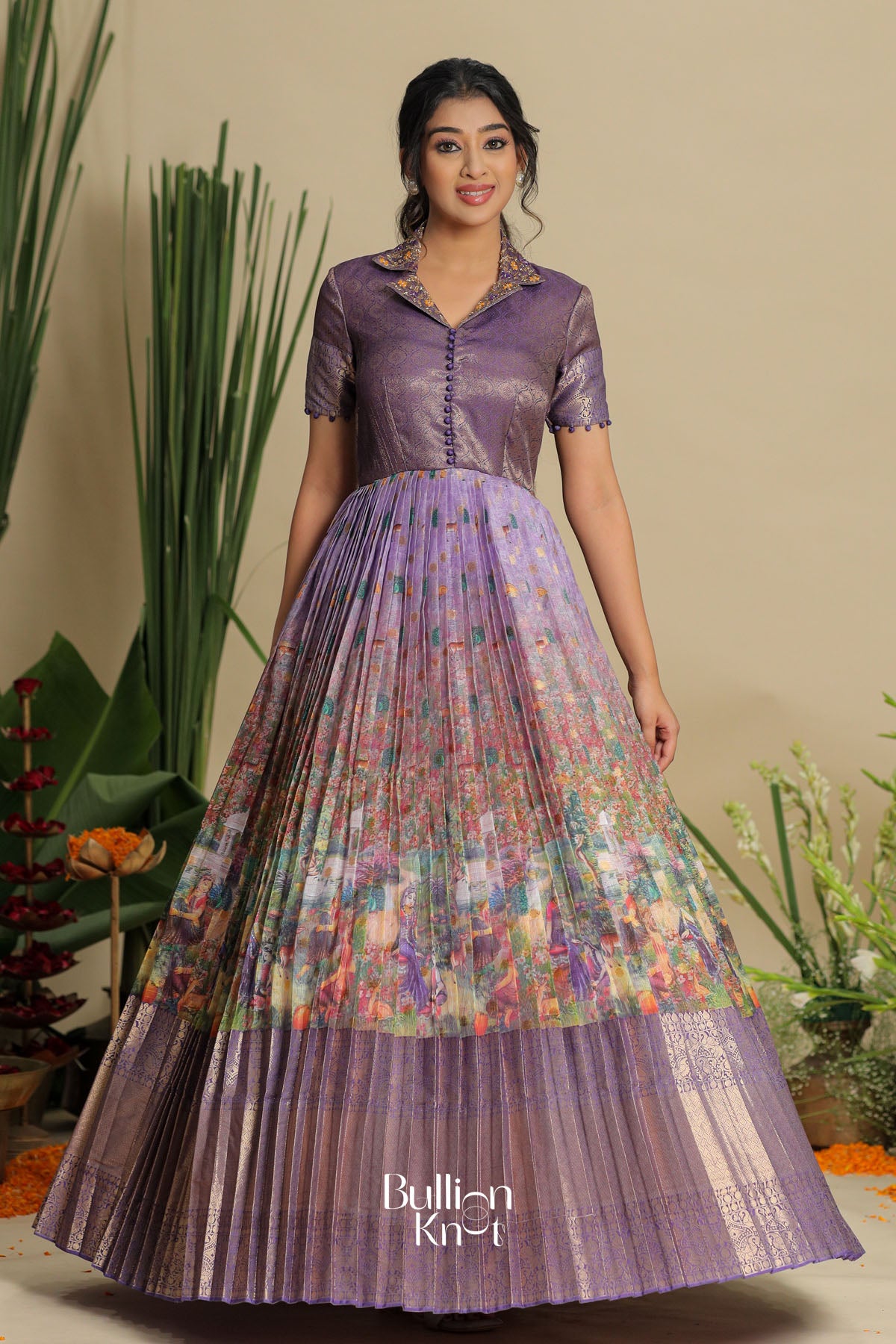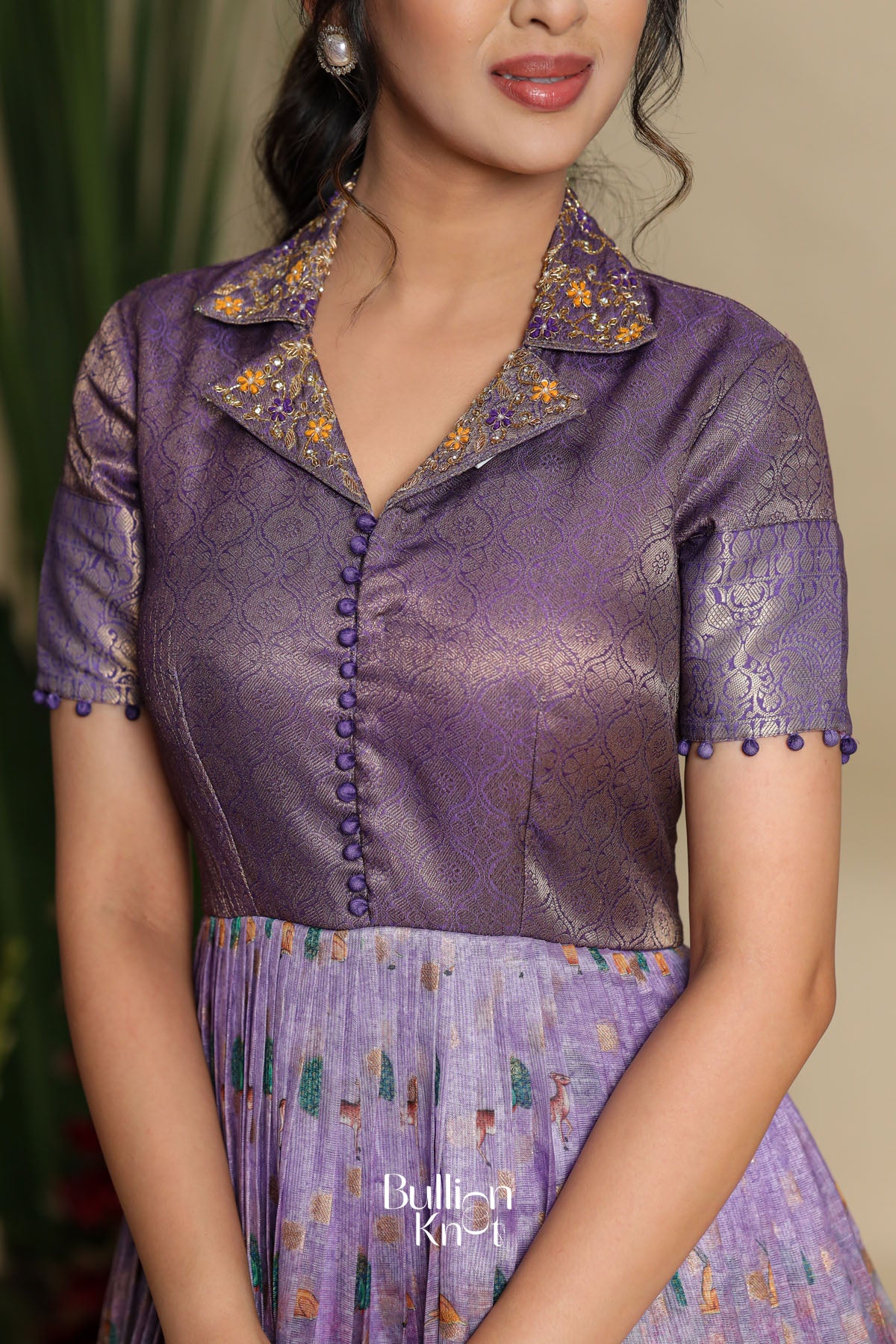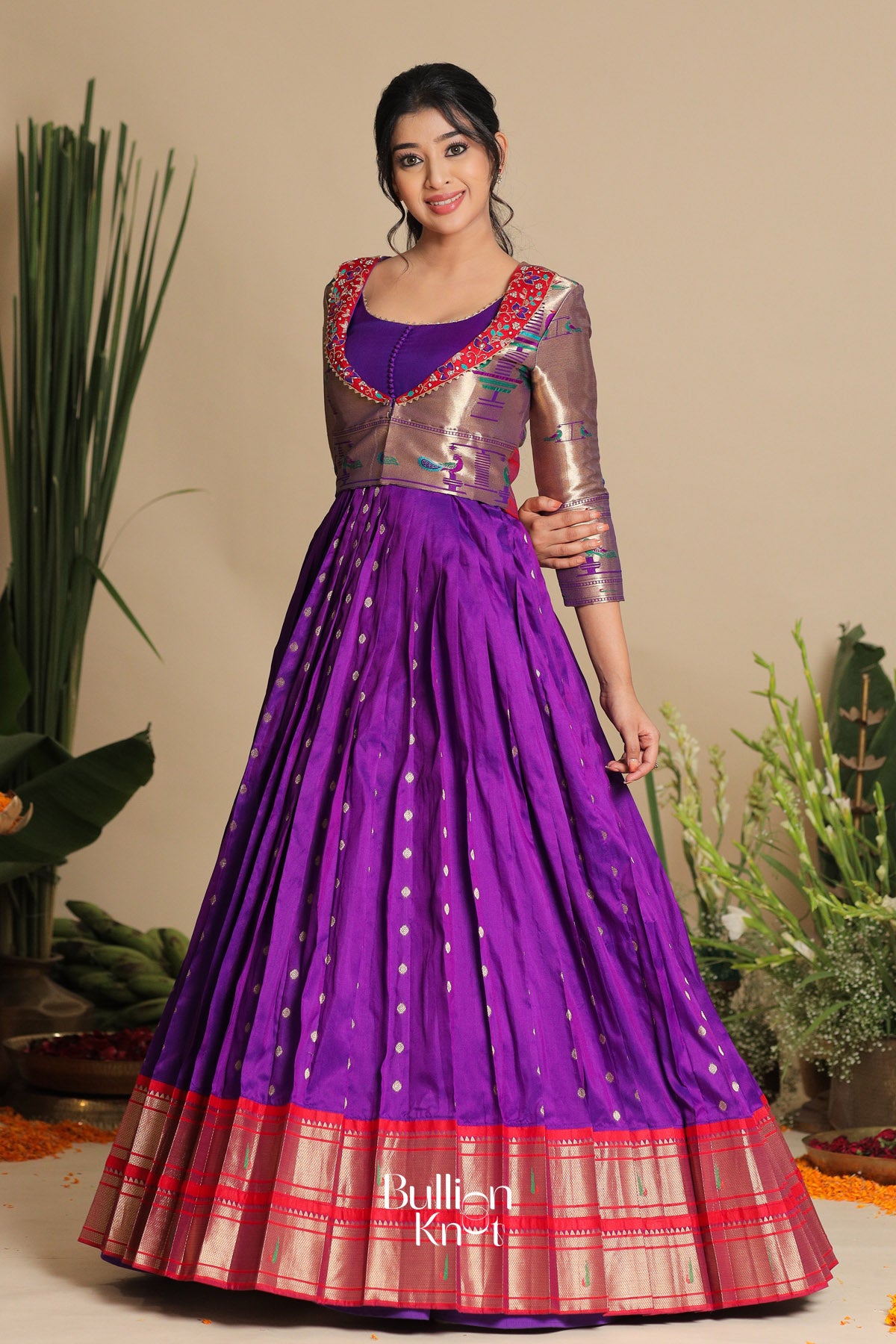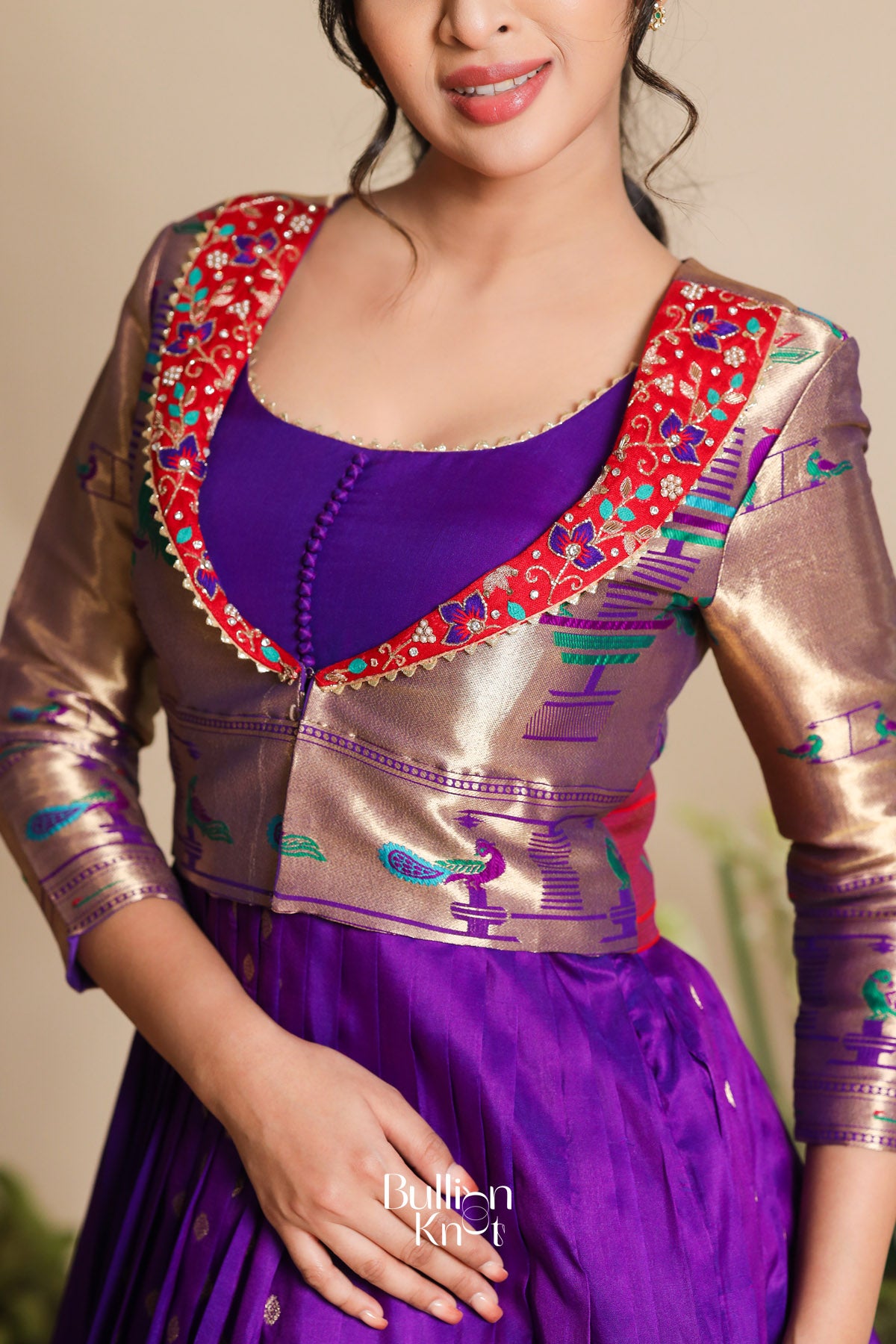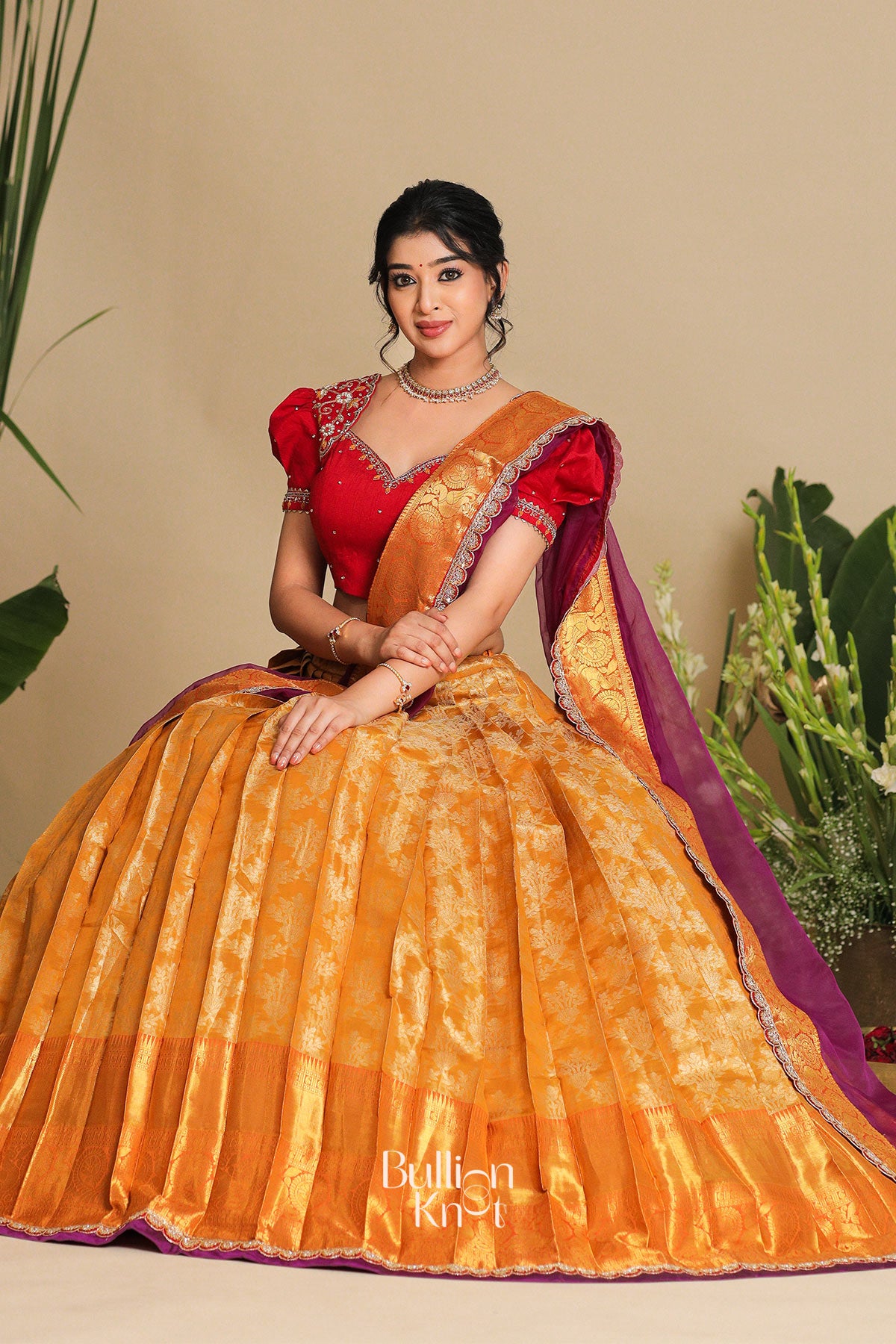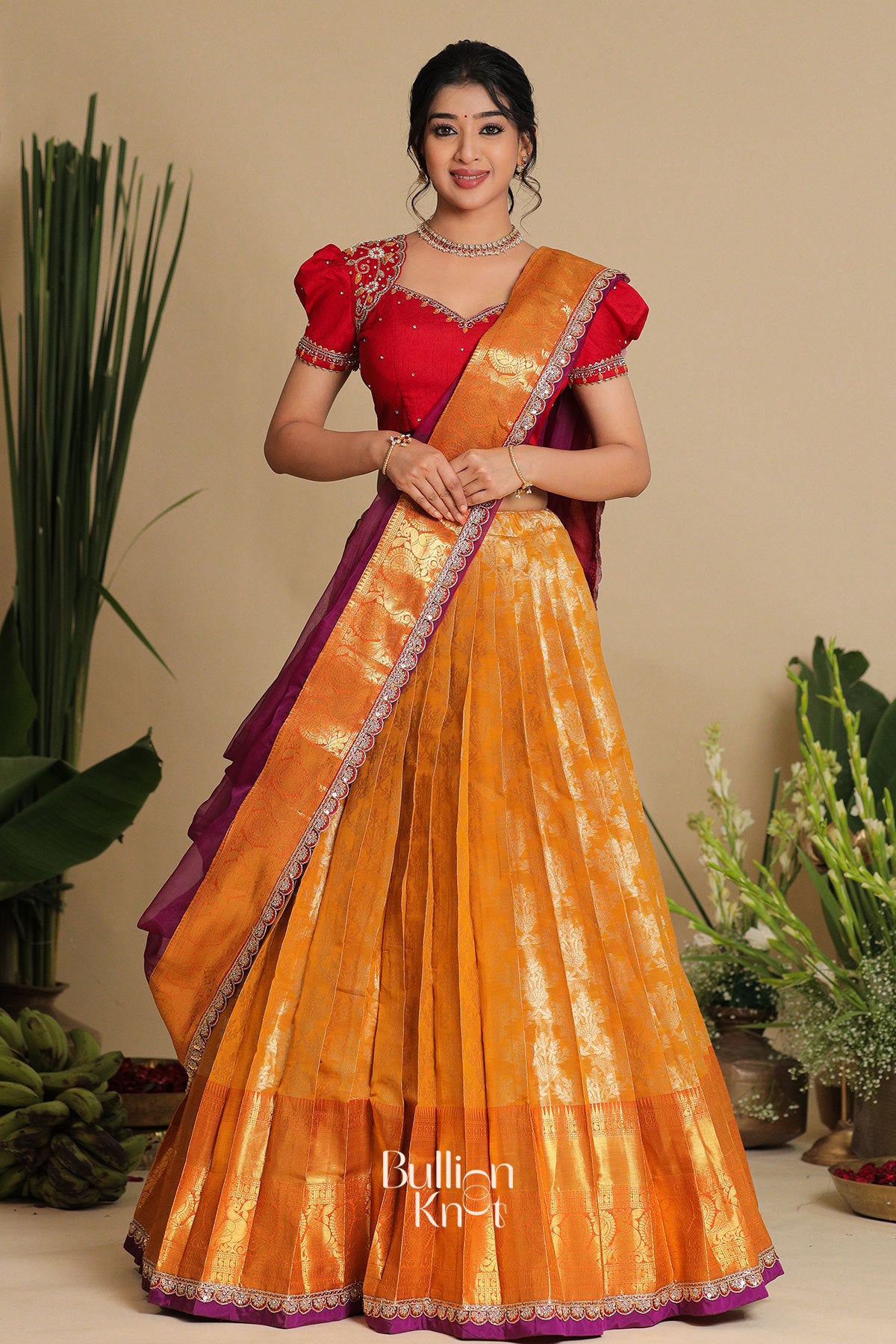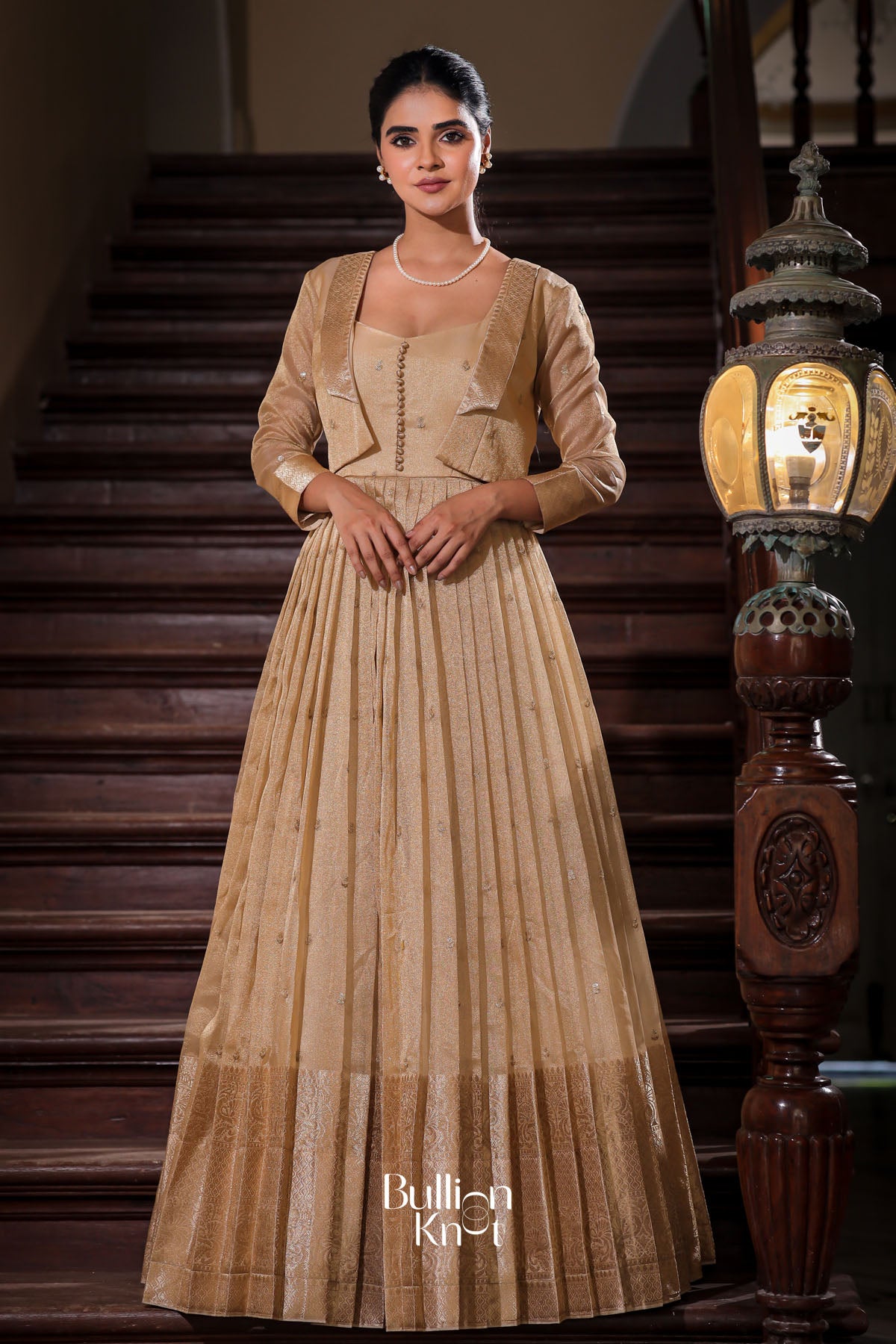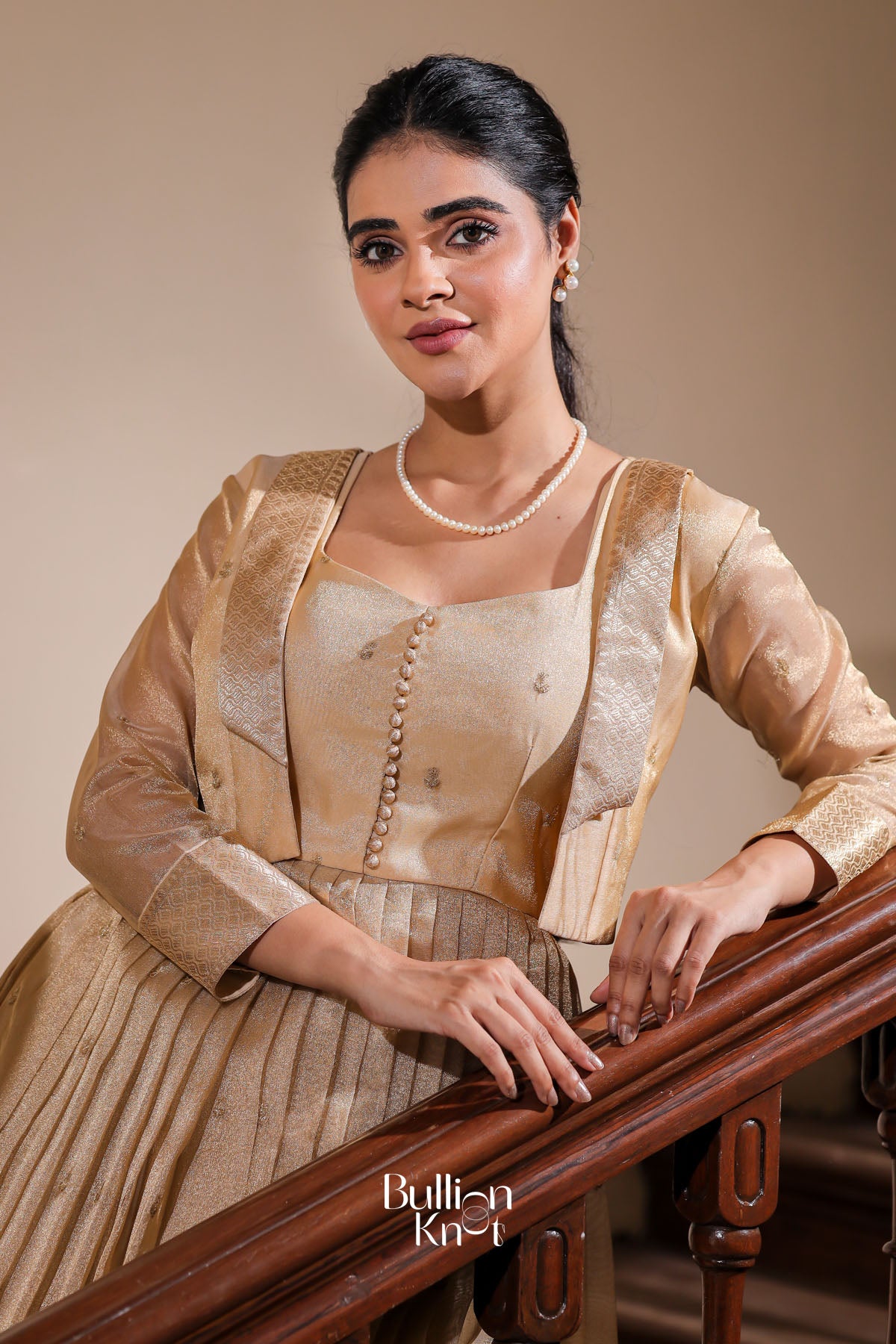


The Telangana handloom dress stands out due to its unique elegance. With their superb craftsmanship, colourful arrangements, and over four centuries of history, these stunning Narayanpet anarkalis are winning hearts across India. Modern women are increasingly choosing this Telangana handloom dress as the wedding trend shifts toward more significant options.
What separates this Telangana handloom dress from all other initiatives at traditional revival? You don't need to sacrifice your comfort or flexibility for tradition or elegance for sustainability. The Narayanpet weave of Bullion Knot is so pretty, with its different borders, grabbing attention in pictures, unique check patterns woven right into it, and colours ranging from classic reds and greens to contemporary pastels that Gen Z genuinely wants to wear.
Narayanpet’s origin
The cloth of Narayanpet has its ancient roots in a tiny town at the border between Telangana and Karnataka. The craftsman has been producing this material for 4 centuries straight, and passing the Narayanpet weaving style on to their next generations. This ancient tradition of India and its preservation make every cloth special.
What Makes It Beautiful
Narayanpet sarees and anarkalis never go out of style. Each piece is beautifully made by mixing silk and cotton threads together. This creates a nice drape that looks elegant and feels comfortable. The famous check patterns are woven right into the fabric with careful thread work, so they don't need extra decoration.
Bold combinations like red with green borders, blue with orange, or purple with mustard yellow shouldn't work together, but they look perfect in Narayanpet fabric. The temple designs and contrasting borders make these pieces look rich without being heavy.
"The fabric was already doing the hard work," says Mumbai designer Anjali Patel. "Those checks create visual rhythm. The contrasting borders provide natural definition. We simply needed to cut and construct in ways that respected the weave pattern."
The Narayanpet Anarkali Evolution
The transformation from Narayanpet sarees to handloom anarkali represents perfect adaptability. Early experiments failed when designers ignored the weave's natural design. Success came through when they followed inherent patterns, vertical panels following checks, borders placed naturally, and minimal joins, letting the handloom's artistry shine.
Today, modern women who like stylish clothes without losing tradition are drawn to Telangana ethnic wear. These outfits blend old weaving methods with new fashion, making them perfect for both small mehendi celebrations and formal events.
The Silk-Cotton Combination
Here's something interesting about Narayanpet silk cotton: Weavers use cotton threads running one way and silk threads running the other way, and it wasn’t discovered overnight. This combination took generations to become perfect.
Why does this matter? During those endless Indian wedding rites, cotton fabric leaves you cool but cosy. Everybody has attended a wedding that lasted six to eight hours, correct? Cotton is breathable. Conversely, silk makes fabrics drape elegantly as you move and adds that lovely shine in pictures.
Everything is influenced by the cotton-to-silk ratio. Want something light for a morning mehendi? They'll use more cotton. Need formal evening wear? More silk goes in. The sweet spot is somewhere in the middle, fancy enough for a wedding, comfortable enough that you won't regret wearing it by hour three.
The Actual Weaving Process

People still have the loom that their ancestors entrusted to them. Traditional Pit loom, or maggam, they call it. The Narayanpet weaving style hasn't changed because, why fix something that isn't broken?
Those checks you see are not printed or stamped on. Each one is created by the weaver crossing threads in a specific pattern. It takes actual skill; one saree or anarkali piece takes anywhere from 3 days to a full week of work.
The borders deserve their own mention. Weavers make them separately and then attach them so perfectly that you'd need a magnifying glass to spot the joint. They could take shortcuts and use modern techniques. But they don't, and that stubbornness to stick with quality is exactly why Narayanpet survives.
The Sustainable Indian Fashion
The Reality of Sustainable Indian Fashion: uniqueness is important with regard to sustainable Indian fashion. Traditional Narayanpet uses natural cotton and silk, no synthetic materials or microplastics. It is woven using particular thread patterns that require true skill. Purchasing a traditional Narayanpet looms handcrafted benefits the weavers' households; almost all of its manufacturing is produced by local weaver households or small cooperatives, not factories; your purchase truly impacts livelihoods.
Styling Tips That Actually Work
For weddings, keep your Narayanpet anarkali styling simple. The fabric is already doing all the heavy lifting visually. Adding loads of jewellery crowds the look.
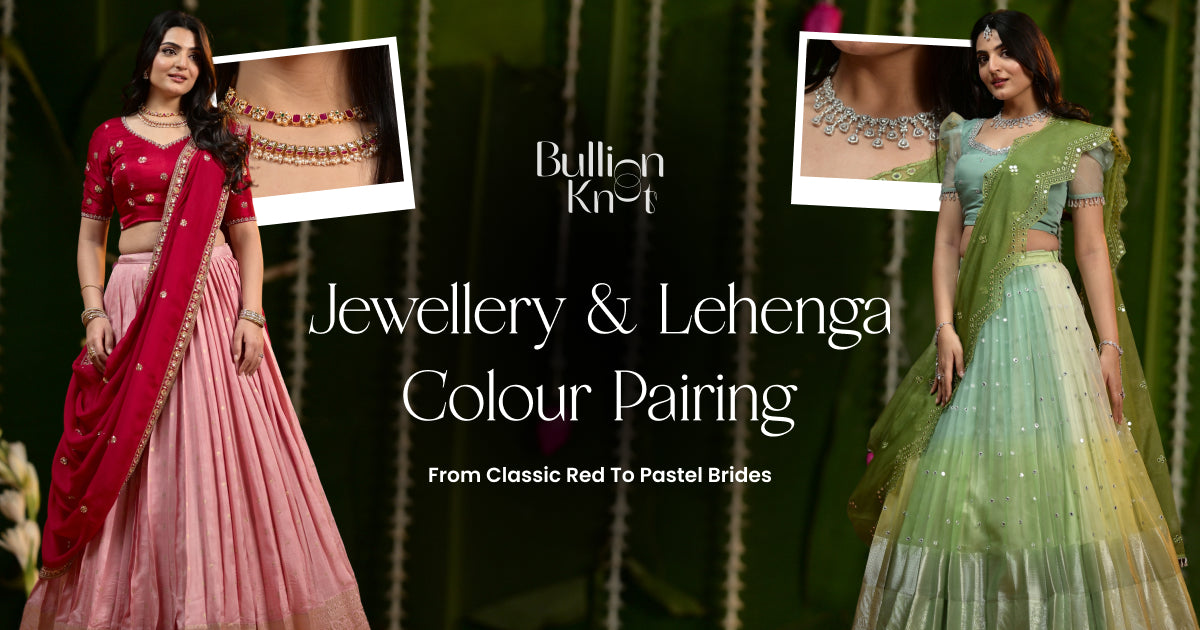
Simple silver or gold earrings work perfectly. Oxidised silver looks especially good if you're wearing darker colours; it gives you that contemporary vibe while still being traditional. Skip the elaborate necklace unless your neckline is really plain. And definitely don't wear both statement earrings and a statement necklace.
Footwear? Block heels or wedges. You'll be standing for a long time; stilettos look fancy right now, but will irritate you by the time of dinner. Juttis are great if you're going full traditional.
Makeup should be natural-ish. You don't need a full Instagram beat face, but soft eye makeup, good brows, and nice lip colour. For hair, either loose waves or a clean bun works well. Just make sure you're not covering up any detailed neckline work.
Current anarkali handloom trends are all about that "less is more" philosophy. One strong accessory statement and not five competing for attention. Let your handloom be the star.
The Truth about Indian Fashion
All those criteria are met by Narayanpet anarkalis. Although they have historical significance, they are ideal for contemporary weddings. They don't have to work too hard to seem lovely. Additionally, purchasing one contributes to the continuation of a genuine artisan tradition rather than merely enriching a fashion merchant.
Working on their looms in Narayanpet, those weavers most likely had no idea that their creations would be shown alongside expensive labels at upscale city weddings. However, this is where Bullion Knot precisely takes place. Bold borders and check patterns are appearing everywhere.
Your Common Questions Answered
What is special about Narayanpet handloom?
The checks are woven in and not printed. Each piece takes 3-7 days on traditional pit looms using techniques passed down for centuries. The fabric has geometric precision but flows beautifully, something machines can't quite replicate.
Is Narayanpet fabric silk or cotton?
It's both. Cotton threads run lengthwise (for structure and breathability), silk threads run crosswise (for shine and drape). More silk means dressier and pricier. More cotton means lighter and more casual.
Can Narayanpet be worn for weddings?
Absolutely. It looks rich without the heavy weight, photographs well, and you can actually move comfortably. Perfect for mehendi, sangeet, or receptions. Plus, you can rewear it to other events.
How to style Narayanpet Anarkali?
Keep it simple. Either delicate gold or bold silver jewellery, not both. Block heels or juttis for comfort. Natural makeup, simple hair. One statement piece maximum. Let the fabric be the star.